

Precision small nozzles are essential components in various industrial applications, playing a crucial role in fluid dispensing, spraying, and other processes. As a supplier of Precision Small Nozzle, I often receive inquiries about their suitability for high - temperature applications. In this blog, I will delve into the factors that determine whether precision small nozzles are appropriate for high - temperature environments.
Understanding Precision Small Nozzles
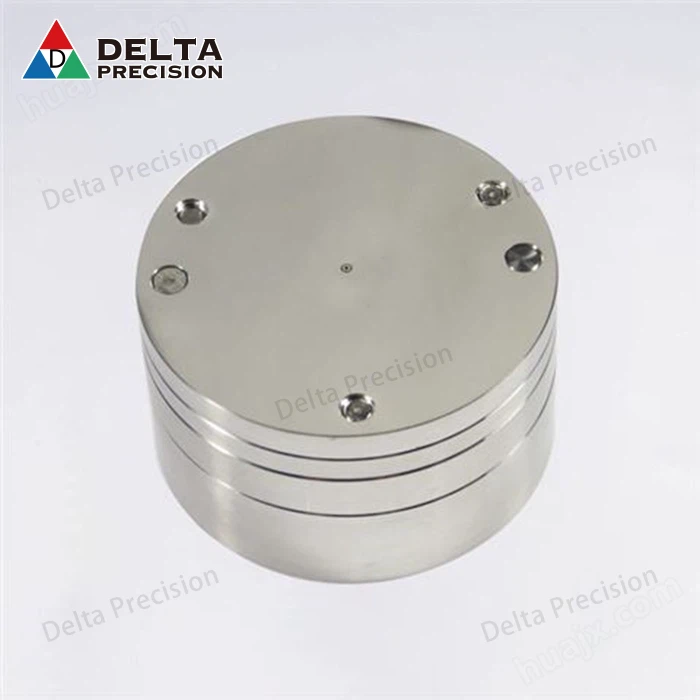
Precision small nozzles are engineered to provide accurate and consistent fluid flow. They are designed with tight tolerances to ensure that the fluid is dispensed or sprayed in a specific pattern and volume. These nozzles come in a variety of materials, including stainless steel, ceramic, and plastic, each with its own set of properties and advantages.
Factors Affecting Nozzle Performance in High - Temperature Applications
Material Selection
The choice of material is one of the most critical factors when considering precision small nozzles for high - temperature applications.
- Stainless Steel Nozzles: Stainless steel is a popular choice due to its good corrosion resistance and relatively high melting point. It can withstand temperatures up to several hundred degrees Celsius, depending on the specific grade. For example, some austenitic stainless steels can handle temperatures up to 800 - 900°C. However, at very high temperatures, stainless steel may experience oxidation, which can affect the nozzle's performance over time.
- Ceramic Nozzles: Ceramics are known for their excellent high - temperature resistance. They can withstand temperatures well above 1000°C. Ceramics also have good wear resistance, which is beneficial in applications where the nozzle is exposed to abrasive fluids. However, ceramics are brittle and can be prone to cracking if subjected to thermal shock or mechanical stress.
- Plastic Nozzles: Plastic nozzles are generally not suitable for high - temperature applications. Most plastics have a relatively low melting point, typically below 200°C. At high temperatures, plastics can deform, melt, or release harmful chemicals, which can contaminate the fluid being dispensed.
Thermal Expansion
Thermal expansion is another important consideration. When a nozzle is exposed to high temperatures, it will expand. If the expansion is not properly accounted for, it can lead to changes in the nozzle's internal dimensions, affecting the flow rate and spray pattern. For example, an increase in the nozzle's internal diameter due to thermal expansion can result in a higher flow rate than desired. To mitigate this issue, designers need to select materials with appropriate coefficients of thermal expansion and design the nozzle with enough clearance to accommodate the expansion.
Chemical Compatibility
In high - temperature applications, the chemical compatibility between the nozzle material and the fluid being dispensed becomes even more critical. Some fluids may become more reactive at high temperatures, and they can corrode or react with the nozzle material. For instance, acidic or alkaline fluids can cause rapid corrosion of certain metals at elevated temperatures. Therefore, it is essential to choose a nozzle material that is chemically compatible with the fluid under high - temperature conditions.
Applications of Precision Small Nozzles in High - Temperature Environments
Metal Processing
In metal processing industries such as foundries and forging plants, precision small nozzles are used for cooling, lubrication, and spraying of coatings. For example, in a foundry, nozzles can be used to spray a release agent on the molds at high temperatures. Stainless steel or ceramic nozzles are often preferred in these applications due to their high - temperature resistance and ability to withstand the harsh environment.
Glass Manufacturing
In glass manufacturing, precision small nozzles are used for spraying molten glass with various coatings or for cooling the glass during the forming process. The high temperatures involved in glass manufacturing, which can exceed 1000°C, require the use of ceramic nozzles. These nozzles can maintain their shape and performance under extreme heat, ensuring accurate and consistent spraying.
Aerospace Industry
The aerospace industry also makes use of precision small nozzles in high - temperature applications. For example, in jet engines, nozzles are used for fuel injection and cooling. These nozzles need to withstand extremely high temperatures and pressures. Advanced ceramic materials are often used in these applications due to their excellent high - temperature properties.

Challenges and Solutions
Thermal Fatigue
Thermal fatigue is a common problem in high - temperature applications. Repeated heating and cooling cycles can cause the nozzle material to crack or fail over time. To address this issue, manufacturers can use materials with good thermal shock resistance, such as certain types of ceramics. Additionally, proper design and manufacturing techniques can help to reduce the stress concentration in the nozzle, minimizing the risk of thermal fatigue.
Maintenance and Inspection
Regular maintenance and inspection are crucial in high - temperature applications. Nozzles should be inspected for signs of wear, corrosion, and thermal damage. Any damaged nozzles should be replaced promptly to ensure the continued performance of the system. Maintenance procedures may also include cleaning the nozzles to remove any deposits that can affect the flow rate and spray pattern.
Conclusion
Precision small nozzles can be suitable for high - temperature applications, but it depends on several factors such as material selection, thermal expansion, and chemical compatibility. Stainless steel and ceramic nozzles are often the preferred choices due to their high - temperature resistance. However, each material has its own advantages and limitations, and the selection should be based on the specific requirements of the application.
As a supplier of Precision Small Nozzle, we have extensive experience in providing solutions for high - temperature applications. We can help you select the most appropriate nozzle material and design based on your specific needs. If you are looking for precision small nozzles for high - temperature applications or other industrial components such as Lead Screw and Dialysis Spinneret, please feel free to contact us for a detailed discussion and procurement negotiation.
References
- ASM Handbook Volume 2: Properties and Selection: Nonferrous Alloys and Special - Purpose Materials. ASM International.
- Perry's Chemical Engineers' Handbook. McGraw - Hill Education.
- Ceramic Materials: Science and Engineering. Wiley.