

Automatic bar machining has long been a cornerstone in the manufacturing industry, known for its efficiency and precision in producing large quantities of parts. As a leading supplier of Automatic Bar Machining, we are often asked whether this technology can handle complex shapes. This question is crucial as modern industries, such as aerospace, automotive, and medical devices, increasingly demand components with intricate geometries. In this blog, we will explore the capabilities of automatic bar machining in dealing with complex shapes, the factors influencing its performance, and the future prospects of this technology.
The Basics of Automatic Bar Machining
Before delving into the topic of complex shapes, it is essential to understand the fundamentals of automatic bar machining. This process involves feeding a bar of raw material, typically metal, through a machine tool. The machine then uses various cutting tools to remove material from the bar, shaping it into the desired part. Automatic bar machining is highly automated, with the ability to perform multiple operations in a single setup, such as turning, milling, drilling, and threading. This automation not only increases productivity but also ensures consistent quality across a large number of parts.
One of the key advantages of automatic bar machining is its high speed and efficiency. By using multiple cutting tools simultaneously and performing operations in parallel, the machine can produce parts at a much faster rate than traditional machining methods. This makes it ideal for mass production, where large quantities of identical parts need to be produced in a short period. Additionally, the automation of the process reduces the need for manual intervention, minimizing the risk of human error and improving overall productivity.
Complex Shapes in Manufacturing
Complex shapes are becoming increasingly common in modern manufacturing, driven by the need for higher performance, lighter weight, and more compact designs. These shapes can range from simple curves and angles to highly intricate geometries with multiple features and undercuts. Examples of components with complex shapes include turbine blades, medical implants, and automotive engine parts.
Producing parts with complex shapes requires a high level of precision and control. Any deviation from the design specifications can lead to performance issues or even failure of the component. Therefore, manufacturers need to use advanced machining technologies and techniques to ensure the accuracy and quality of the parts.
Can Automatic Bar Machining Handle Complex Shapes?
The answer to this question is yes, automatic bar machining can handle complex shapes, but with certain limitations. The ability of automatic bar machining to produce complex shapes depends on several factors, including the type and complexity of the shape, the material being machined, the capabilities of the machine tool, and the cutting tools used.
Type and Complexity of the Shape
Some complex shapes are more suitable for automatic bar machining than others. For example, shapes with simple curves and angles can be relatively easily machined using standard turning and milling operations. However, shapes with more complex geometries, such as free-form surfaces or parts with deep pockets and undercuts, may require more advanced machining techniques and specialized tooling.
In some cases, it may be necessary to use multiple operations or a combination of different machining processes to produce a complex shape. For example, a part with a complex surface profile may require roughing operations to remove the bulk of the material, followed by finishing operations to achieve the desired surface finish and dimensional accuracy.
Material Being Machined
The material being machined also plays a significant role in the ability of automatic bar machining to handle complex shapes. Some materials, such as aluminum and brass, are relatively easy to machine and can be formed into complex shapes with relative ease. Other materials, such as stainless steel and titanium, are more difficult to machine due to their high strength and hardness. These materials may require specialized cutting tools and machining parameters to achieve the desired results.
In addition to the material's mechanical properties, its thermal properties can also affect the machining process. For example, materials with poor thermal conductivity, such as titanium, can generate a lot of heat during machining, which can lead to tool wear and degradation of the part's surface finish. Therefore, it is important to choose the right cutting tools and machining parameters to minimize the heat generated during the process.
Capabilities of the Machine Tool
The capabilities of the machine tool are another important factor in determining whether automatic bar machining can handle complex shapes. Modern automatic bar machining centers are equipped with advanced features and technologies that enable them to perform a wide range of operations with high precision. These features include multiple spindles, live tooling, C-axis control, and Y-axis movement.
Multi-spindle Machining is one such technology that allows multiple operations to be performed simultaneously on different parts of the bar. This significantly increases the productivity and efficiency of the machining process, making it possible to produce complex shapes in a shorter period. Live tooling, on the other hand, enables the machine to perform milling, drilling, and tapping operations while the bar is rotating, eliminating the need for additional setups and reducing the overall machining time.
C-axis control and Y-axis movement provide additional flexibility and precision in machining complex shapes. C-axis control allows the bar to be rotated to different angles, enabling the machine to perform operations on different sides of the part. Y-axis movement, on the other hand, allows the cutting tool to move in a direction perpendicular to the bar axis, making it possible to machine features such as grooves and slots.
Cutting Tools
The choice of cutting tools is crucial in achieving high-quality results when machining complex shapes. The cutting tools used in automatic bar machining must be able to withstand the high forces and temperatures generated during the process while maintaining their sharpness and cutting edge. Additionally, the cutting tools must be able to produce the desired surface finish and dimensional accuracy.
There are several types of cutting tools available for automatic bar machining, including turning tools, milling tools, drilling tools, and threading tools. Each type of cutting tool has its own unique features and applications, and the choice of tool depends on the specific requirements of the machining operation. For example, a roughing tool may be used to remove the bulk of the material, while a finishing tool may be used to achieve the final surface finish and dimensional accuracy.
Overcoming the Challenges
While automatic bar machining can handle complex shapes, there are still some challenges that need to be overcome. These challenges include tool wear, chip management, and surface finish.
Tool Wear
Tool wear is a common problem in automatic bar machining, especially when machining hard and abrasive materials. As the cutting tool wears, it can lead to decreased cutting performance, poor surface finish, and dimensional inaccuracies. To minimize tool wear, it is important to choose the right cutting tools for the material being machined and to use appropriate machining parameters. Additionally, regular tool inspection and replacement can help to ensure consistent quality and performance.
Chip Management
Chip management is another important issue in automatic bar machining, especially when machining deep holes or complex shapes. Chips can accumulate in the machining area, causing damage to the cutting tool and the part being machined. To prevent chip accumulation, it is important to use effective chip management techniques, such as chip breakers, high-pressure coolant, and proper chip evacuation systems.
Surface Finish
Achieving a high-quality surface finish is often a challenge when machining complex shapes. The surface finish of a machined part can affect its performance, functionality, and appearance. To improve the surface finish, it is important to use appropriate cutting tools, machining parameters, and coolant. Additionally, post-machining processes, such as polishing and grinding, can be used to further enhance the surface finish.
Future Prospects
The future of automatic bar machining looks promising, with continued advancements in technology and materials. As the demand for complex shapes in industries such as aerospace, automotive, and medical devices continues to grow, there will be a need for more advanced machining technologies and techniques.
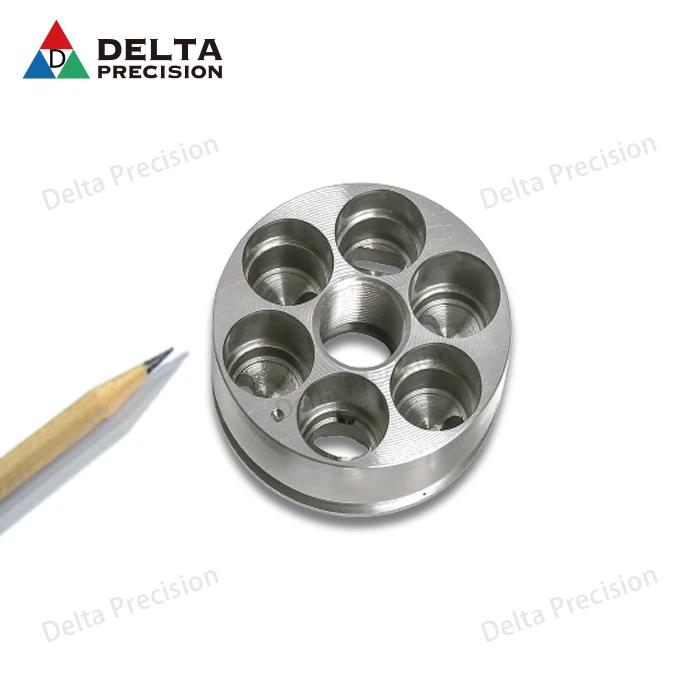

One area of development is the use of CNC Prototyping Machining to produce complex shapes. CNC prototyping machining allows for the rapid production of prototypes and small batches of parts with high precision and accuracy. This technology is particularly useful for product development and testing, as it allows designers and engineers to quickly iterate on their designs and make changes as needed.
Another area of development is the use of advanced materials, such as composites and ceramics, in automatic bar machining. These materials offer unique properties, such as high strength, lightweight, and corrosion resistance, but they also present challenges in terms of machining. As the technology for machining these materials continues to improve, it will open up new opportunities for the production of complex shapes in a wide range of industries.
Conclusion
In conclusion, automatic bar machining can handle complex shapes, but with certain limitations. The ability of automatic bar machining to produce complex shapes depends on several factors, including the type and complexity of the shape, the material being machined, the capabilities of the machine tool, and the cutting tools used. While there are still some challenges to overcome, such as tool wear, chip management, and surface finish, continued advancements in technology and materials are expected to improve the performance and capabilities of automatic bar machining in the future.
As a leading supplier of Automatic Bar Machining, we are committed to providing our customers with the highest quality machining services and solutions. If you have a project that requires the production of complex shapes, we would be delighted to discuss your requirements and provide you with a customized solution. Contact us today to learn more about our services and how we can help you achieve your manufacturing goals.
References
- Smith, J. (2020). Advanced Machining Technologies. New York: Wiley.
- Jones, A. (2019). CNC Machining Handbook. London: Elsevier.
- Brown, C. (2018). Manufacturing Processes for Engineering Materials. Boston: Pearson.