

Hey there, folks! As a supplier of Valve Body, I often get asked if it's possible to clean a valve body by yourself. Well, let's dive right into this topic and find out!
First off, what's a valve body? It's a crucial part in a hydraulic or automotive system. It regulates the flow of fluid, determining when and where the fluid goes. Think of it as the traffic cop of a hydraulic or automotive circuit. Over time, though, it can get dirty and clogged up with all sorts of gunk like dirt, debris, and even metal shavings.
The big question: Can you clean it on your own? The short answer is yes, you can. But there are a whole bunch of things you need to consider before you roll up your sleeves and get started.
Tools and Materials You'll Need
If you're going to take on this task, you'll need the right tools. You'll need a set of wrenches to remove the valve body from the system. You'll also need a cleaning solvent. Make sure to choose one that's compatible with the materials of your valve body. Some common solvents are brake cleaner or a specialized hydraulic fluid cleaner.
You'll also need some clean rags or towels to wipe down the valve body, a small brush to get into those tight spots, and a container to soak the valve body in. And don't forget safety gear like gloves and goggles. You don't want that cleaning solvent getting in your eyes or on your skin.
The Cleaning Process
Once you've got all your tools and materials, it's time to start the cleaning process. First, you'll need to remove the valve body from the system. This can be a bit tricky, especially in some automotive applications where the valve body is located deep inside the transmission. You'll need to follow the manufacturer's instructions carefully to avoid damaging any other parts.
After you've removed the valve body, give it a good visual inspection. Look for any obvious signs of damage, like cracks or worn-out seals. If you find any, it might be a good idea to replace the valve body instead of trying to clean it.
Next, soak the valve body in the cleaning solvent. Let it sit for a while, maybe an hour or so, to loosen up all the dirt and debris. Then, use the small brush to scrub the valve body, paying special attention to the small passages and ports. These are the areas where the gunk tends to build up the most.
Once you've scrubbed the valve body thoroughly, rinse it off with clean water. Make sure to get all the cleaning solvent out of the passages. Then, dry it off completely with the clean rags or towels.
Reinstalling the Valve Body
After the valve body is clean and dry, it's time to put it back in the system. This is just as important as the cleaning process itself. Make sure to reinstall all the bolts and connections correctly, following the manufacturer's torque specifications. If you overtighten or undertighten the bolts, it could cause leaks or other problems.
The Risks
Now, I've got to be honest with you. Cleaning a valve body on your own does come with some risks. If you don't clean it properly, you could end up causing more damage than good. For example, if you use the wrong cleaning solvent, it could damage the seals or other components in the valve body.
Also, if you're not familiar with the system, you might accidentally damage other parts while trying to remove or reinstall the valve body. And if you don't reinstall the valve body correctly, it could lead to leaks or poor performance.
When to Call in the Professionals
So, when should you call in a professional instead of trying to clean the valve body yourself? Well, if you're not confident in your abilities or if you're dealing with a complex system, it's probably a good idea to leave it to the pros. Also, if you find that the valve body is severely damaged or worn, a professional might be able to diagnose the problem and recommend the best course of action.

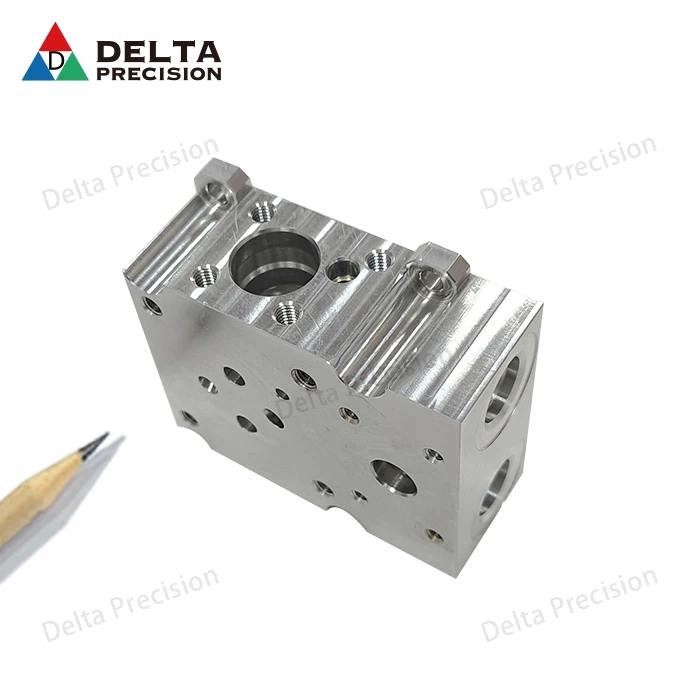
Our Products
As a supplier of Valve Body, we also offer Valve Turned Parts and Valve Machining Components. Our products are made with high-quality materials and precision machining, ensuring reliable performance and long service life.
Whether you need a new valve body or just some replacement parts, we've got you covered. Our team of experts is always ready to help you find the right products for your needs.
Conclusion
In conclusion, cleaning a valve body yourself is possible, but it's not without its challenges. If you've got the right tools, the know-how, and the patience, you can give it a shot. But if you're not sure, it's always a good idea to consult a professional.
If you're in the market for a valve body or related products, don't hesitate to contact us. We're always happy to discuss your specific requirements and provide you with the best solutions. Let's start a conversation and see how we can work together to meet your needs.
References:
- General knowledge of hydraulic and automotive systems.
- Manufacturer's guidelines for valve body maintenance and cleaning.