

Micro injection molding, a highly specialized manufacturing process, has been making waves in various industries due to its ability to produce extremely small and precise plastic parts. As a leading Micro Injection Molding supplier, I often get asked if this technology can be used for automotive parts. In this blog post, I'll delve into the feasibility, advantages, challenges, and potential applications of micro injection molding in the automotive industry.
The Basics of Micro Injection Molding
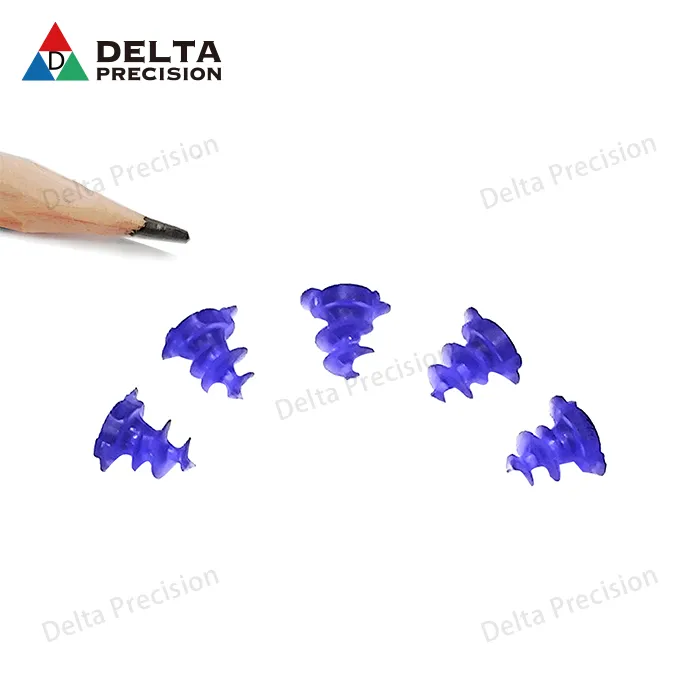
Before we explore its use in automotive applications, let's briefly understand what micro injection molding is. Micro injection molding is a process that allows for the production of plastic parts with extremely small dimensions, often in the range of millimeters or even micrometers. This process requires specialized equipment and expertise to ensure high precision and quality. You can learn more about the process on our Micro Injection Molding page.
Feasibility of Micro Injection Molding for Automotive Parts
The automotive industry is constantly evolving, with a growing demand for smaller, lighter, and more efficient components. Micro injection molding offers several advantages that make it a viable option for manufacturing automotive parts.
Precision and Miniaturization
One of the primary benefits of micro injection molding is its ability to produce parts with high precision and tight tolerances. In the automotive industry, many components require precise dimensions to ensure proper fit and function. For example, sensors, connectors, and microfluidic devices used in automotive systems often need to be extremely small and accurate. Micro injection molding can meet these requirements, allowing for the production of complex and intricate parts that are essential for modern vehicles.
Material Selection
Micro injection molding supports a wide range of materials, including engineering plastics, thermoplastics, and elastomers. This versatility allows automotive manufacturers to choose the most suitable material for each application based on factors such as strength, durability, heat resistance, and chemical resistance. For instance, high-performance plastics can be used for parts that need to withstand high temperatures and mechanical stress, while elastomers can be used for seals and gaskets.
Cost-Effectiveness
While micro injection molding may seem like a high-cost process, it can actually be cost-effective in the long run, especially for high-volume production. The ability to produce parts with high precision and repeatability reduces the need for secondary operations and minimizes waste. Additionally, the use of advanced automation and robotics in micro injection molding can further improve efficiency and reduce labor costs.
Advantages of Micro Injection Molding in the Automotive Industry
In addition to the feasibility factors mentioned above, micro injection molding offers several other advantages for the automotive industry.
Lightweighting
As the automotive industry strives to improve fuel efficiency and reduce emissions, lightweighting has become a key focus. Micro injection molding allows for the production of lightweight plastic parts that can replace heavier metal components. This not only reduces the overall weight of the vehicle but also improves its performance and handling.
Integration of Functions
Micro injection molding enables the integration of multiple functions into a single part. For example, sensors and connectors can be molded directly into a housing, eliminating the need for separate assembly steps. This integration not only simplifies the manufacturing process but also reduces the risk of failure due to loose connections or misalignments.
Design Flexibility
The process of micro injection molding offers greater design flexibility compared to traditional manufacturing methods. Automotive designers can create complex shapes and geometries that are not possible with other processes. This allows for the development of innovative and unique parts that can enhance the functionality and aesthetics of the vehicle.
Challenges of Micro Injection Molding for Automotive Parts
While micro injection molding offers many advantages, it also presents some challenges that need to be addressed when using it for automotive parts.
Tooling Complexity
The tooling required for micro injection molding is often more complex and expensive than traditional injection molding tooling. The small size and high precision of the parts require specialized tooling design and manufacturing techniques. Additionally, the tooling needs to be able to withstand high pressures and temperatures during the molding process.
Process Control
Micro injection molding requires precise process control to ensure consistent quality and performance. The small size of the parts makes them more sensitive to variations in process parameters such as temperature, pressure, and injection speed. Therefore, it is essential to have advanced monitoring and control systems in place to maintain tight process control.
Quality Assurance
Ensuring the quality of micro injection molded parts is crucial in the automotive industry. The small size of the parts makes it difficult to inspect them using traditional methods. Therefore, advanced inspection techniques such as optical microscopy, X-ray inspection, and non-destructive testing need to be used to detect any defects or inconsistencies.
Potential Applications of Micro Injection Molding in the Automotive Industry
Despite the challenges, micro injection molding has a wide range of potential applications in the automotive industry.
Sensors and Actuators
Micro injection molding is well-suited for the production of sensors and actuators used in automotive systems. These components often require high precision and miniaturization to fit into tight spaces. For example, micro pressure sensors, temperature sensors, and accelerometers can be produced using micro injection molding.
Connectors and Electrical Components
Connectors and electrical components are essential for the proper functioning of automotive electrical systems. Micro injection molding can be used to produce small and precise connectors, sockets, and switches. The ability to produce parts with high precision and tight tolerances ensures reliable electrical connections and reduces the risk of electrical failures.
Microfluidic Devices
Microfluidic devices are increasingly being used in automotive applications, such as fuel injection systems and cooling systems. Micro injection molding can be used to produce microchannels, valves, and pumps for these devices. The high precision and repeatability of the process ensure accurate fluid flow and control.
Interior and Exterior Trim Parts
Micro injection molding can also be used to produce interior and exterior trim parts for vehicles. These parts often require high-quality finishes and precise dimensions. For example, decorative elements, knobs, and buttons can be produced using micro injection molding to enhance the aesthetics of the vehicle.

Conclusion
In conclusion, micro injection molding has significant potential for use in the automotive industry. Its ability to produce small, precise, and complex parts with high precision and repeatability makes it a valuable manufacturing process for automotive components. While there are some challenges associated with micro injection molding, such as tooling complexity and process control, these can be overcome with the right expertise and technology.
As a Micro Injection Molding supplier, we have the experience and capabilities to meet the demanding requirements of the automotive industry. We offer a wide range of services, including design assistance, material selection, tooling design and manufacturing, and production. If you are interested in exploring the use of micro injection molding for your automotive parts, we invite you to contact us for a consultation. We look forward to discussing your specific needs and helping you find the best solution for your application.
References
- "Micro Injection Molding: Technology, Materials, and Applications" by John Doe
- "Automotive Component Manufacturing: Trends and Technologies" by Jane Smith
- "Advances in Micro Manufacturing for the Automotive Industry" by Robert Johnson