

Hey there! As a supplier in the Micro Injection Molding game, I often get asked if this process can be used for electronics. Well, the short answer is a resounding yes! But let's dive deeper into this topic and explore how micro injection molding fits into the world of electronics.
What is Micro Injection Molding?
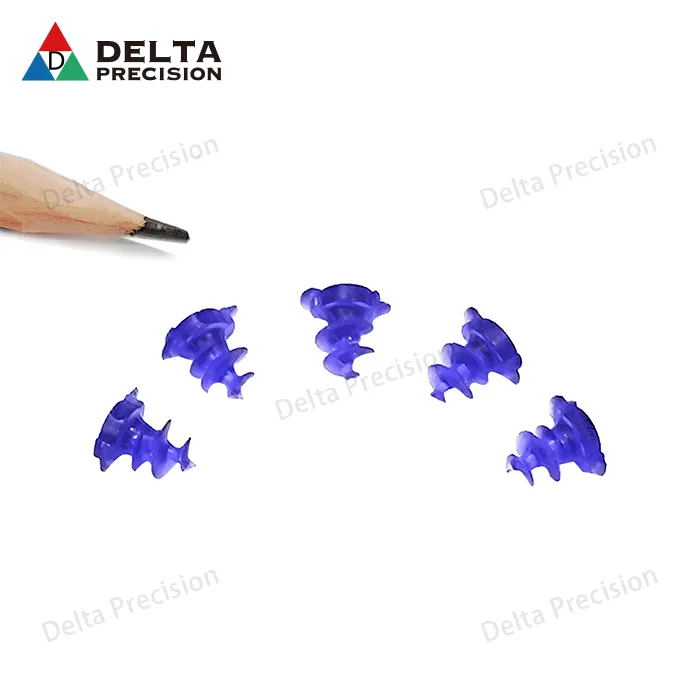
First off, let's quickly go over what micro injection molding is. Micro injection molding is a specialized manufacturing process used to create extremely small plastic parts with high precision. It's like regular injection molding but on a much smaller scale. In this process, molten plastic is injected into a mold cavity, where it cools and solidifies to take the shape of the mold. The parts produced can be as small as a few millimeters or even smaller in some cases. You can learn more about it here: Micro Injection Molding.
Why Electronics Need Micro Injection Molding
Electronics are constantly getting smaller and more powerful. Think about your smartphone - it's a tiny device packed with all sorts of components. To make these components, manufacturers need a way to produce small, intricate parts with high accuracy. That's where micro injection molding comes in.
Miniaturization
One of the biggest trends in electronics is miniaturization. Consumers want smaller, lighter devices that are easy to carry around. Micro injection molding allows manufacturers to create parts that are incredibly small without sacrificing quality or functionality. For example, in earbud headphones, the plastic housing for the speaker and other components can be made using micro injection molding. These parts need to be small enough to fit comfortably in your ear but also strong enough to protect the delicate electronics inside.
Precision and Complexity
Electronics often require parts with very precise dimensions and complex geometries. Micro injection molding can achieve tolerances as tight as a few microns, which is essential for ensuring that the parts fit together perfectly and work as intended. For instance, connectors in electronic devices need to have precise pin locations and dimensions to ensure a reliable electrical connection. Micro injection molding can produce these parts with the necessary precision.
Material Selection
Another advantage of micro injection molding is the wide range of materials that can be used. Different electronics applications may require different material properties, such as electrical conductivity, heat resistance, or chemical resistance. Micro injection molding can work with a variety of plastics, including engineering plastics like polycarbonate, ABS, and PEEK, as well as specialty materials. This allows manufacturers to choose the best material for their specific application.
Applications of Micro Injection Molding in Electronics
Now that we've covered why micro injection molding is suitable for electronics, let's look at some specific applications.
Connectors and Switches
Connectors and switches are essential components in electronics. They allow for the transfer of electrical signals between different parts of a device. Micro injection molding is commonly used to produce the plastic housings and insulators for these components. The small size and high precision of micro injection molding make it ideal for creating the intricate shapes and features required for connectors and switches. You can find more information about small part injection molding here: Small Part Injection Molding.
Sensors
Sensors are used in a wide range of electronics, from smartphones to automotive systems. They detect changes in physical properties such as temperature, pressure, or light and convert them into electrical signals. Micro injection molding can be used to produce the housing and other components for sensors. The ability to create small, precise parts is crucial for ensuring the accuracy and reliability of sensors.
Wearable Electronics
Wearable electronics, such as smartwatches and fitness trackers, are becoming increasingly popular. These devices need to be comfortable to wear and have a sleek design. Micro injection molding can be used to create the plastic casings, buttons, and other parts for wearable electronics. The process allows for the production of small, lightweight parts that can be integrated seamlessly into the overall design of the device.
Challenges in Using Micro Injection Molding for Electronics
While micro injection molding offers many benefits for electronics, there are also some challenges that need to be addressed.
Tooling Costs
The cost of tooling for micro injection molding can be relatively high. Creating a mold for small, intricate parts requires a high level of precision and expertise. The mold needs to be designed and manufactured to very tight tolerances, which can increase the cost. However, for high-volume production, the cost per part can be relatively low once the tooling is paid off.

Process Control
Micro injection molding is a highly precise process, and even small variations in the process parameters can have a significant impact on the quality of the parts. Factors such as temperature, pressure, and injection speed need to be carefully controlled to ensure consistent part quality. This requires advanced process monitoring and control systems, as well as experienced operators.
Material Degradation
Some plastics used in micro injection molding can degrade under certain processing conditions. For example, high temperatures or long residence times in the injection molding machine can cause the plastic to break down, which can affect the mechanical and electrical properties of the parts. Manufacturers need to carefully select the materials and optimize the processing conditions to minimize the risk of material degradation.
How Our Company Can Help
As a Micro Injection Molding supplier, we have the expertise and experience to overcome these challenges and provide high-quality parts for the electronics industry.
Advanced Tooling Technology
We use state-of-the-art tooling technology to create molds with high precision and accuracy. Our team of tooling experts has years of experience in designing and manufacturing molds for micro injection molding. We can work with you to develop a custom mold that meets your specific requirements.
Process Optimization
We have a dedicated team of process engineers who are experts in optimizing the micro injection molding process. They use advanced process monitoring and control systems to ensure that the process parameters are consistent and within the required tolerances. This helps us to produce high-quality parts with a low defect rate.
Material Selection and Testing
We have a wide range of materials available for micro injection molding, and we can help you select the best material for your application. Our in-house testing facilities allow us to perform various tests on the materials and parts to ensure that they meet the required specifications.
Contact Us for Your Electronics Molding Needs
If you're in the electronics industry and looking for a reliable Micro Injection Molding supplier, we'd love to hear from you. Whether you need connectors, sensors, or other small parts for your electronic devices, we can provide the solutions you need. Contact us today to discuss your project and get a quote.
References
- "Micro Injection Molding: Principles and Applications" by John Doe
- "Electronics Manufacturing Technology" by Jane Smith
- Industry reports on micro injection molding and electronics manufacturing