

Hey there! As a Valve Body supplier, I often get asked about how to test a solenoid in a valve body. It's a crucial part of ensuring that the valve body works properly, so I'm here to share some tips and tricks on how you can do it.
Understanding the Basics of Solenoids in Valve Bodies
First off, let's talk a bit about what solenoids are and what they do in a valve body. A solenoid is an electromechanical device that converts electrical energy into mechanical motion. In a valve body, solenoids are used to control the flow of fluid by opening and closing valves. They're like the little control centers that make sure everything in the valve body operates as it should.
Tools You'll Need
Before you start testing the solenoid, you'll need a few tools. Here's a quick list:
- Multimeter: This is a must-have for any electrical testing. It'll help you measure voltage, resistance, and continuity.
- Wiring Diagram: You can usually find this in the valve body's manual. It'll show you how the solenoid is connected and what the correct electrical values should be.
- Safety Gear: Gloves and safety glasses are always a good idea when working with electrical components.
Step-by-Step Testing Process
1. Visual Inspection
The first step is to give the solenoid a good visual once-over. Look for any signs of damage, like cracked wires, loose connections, or corrosion. If you see any of these issues, it might be a sign that the solenoid needs to be replaced.
2. Check the Resistance
Now, it's time to use your multimeter. Set it to the resistance (ohms) setting. Disconnect the electrical connector from the solenoid. Then, touch the multimeter probes to the solenoid's terminals. The multimeter will give you a reading of the solenoid's resistance. Compare this reading to the specifications in the wiring diagram. If the resistance is way off, the solenoid might be faulty.
3. Test for Continuity
Continuity testing is another important step. It checks if there's a complete electrical path through the solenoid. Set your multimeter to the continuity setting. Touch the probes to the solenoid's terminals again. If the multimeter beeps, it means there's continuity, which is a good sign. If it doesn't beep, there might be a break in the circuit.
4. Voltage Test
Next, you'll want to check the voltage going to the solenoid. Reconnect the electrical connector. Set your multimeter to the voltage setting. Touch the probes to the appropriate points in the circuit, as shown in the wiring diagram. The voltage should match the specifications. If it's too low or too high, there could be an issue with the power supply or the wiring.
5. Functional Test
Finally, it's time to see if the solenoid actually works. You can do this by applying power to the solenoid and observing its operation. You might need to use a power supply or a test bench for this. When you apply power, the solenoid should move and actuate the valve. If it doesn't, the solenoid is likely defective.
Common Issues and Troubleshooting
Even if you follow all the steps correctly, you might still run into some issues. Here are a few common problems and how to fix them:
- No Resistance or Continuity: This could mean that the solenoid's coil is broken. You'll probably need to replace the solenoid.
- Incorrect Voltage: Check the power supply and the wiring for any loose connections or shorts. You might also need to check the control module that's sending the signal to the solenoid.
- Solenoid Doesn't Actuate: Besides a faulty solenoid, this could be due to a problem with the valve itself. Check for any blockages or mechanical issues in the valve.
Why Testing is So Important
Testing the solenoid in a valve body is super important for a few reasons. First of all, it helps you catch any problems early on, which can save you a lot of time and money in the long run. A faulty solenoid can cause the valve body to malfunction, leading to issues with the entire system it's part of.
Secondly, it ensures the safety and reliability of the valve body. If the solenoid isn't working properly, it could lead to unexpected fluid flow or pressure changes, which can be dangerous in some applications.
Our Valve Body Products
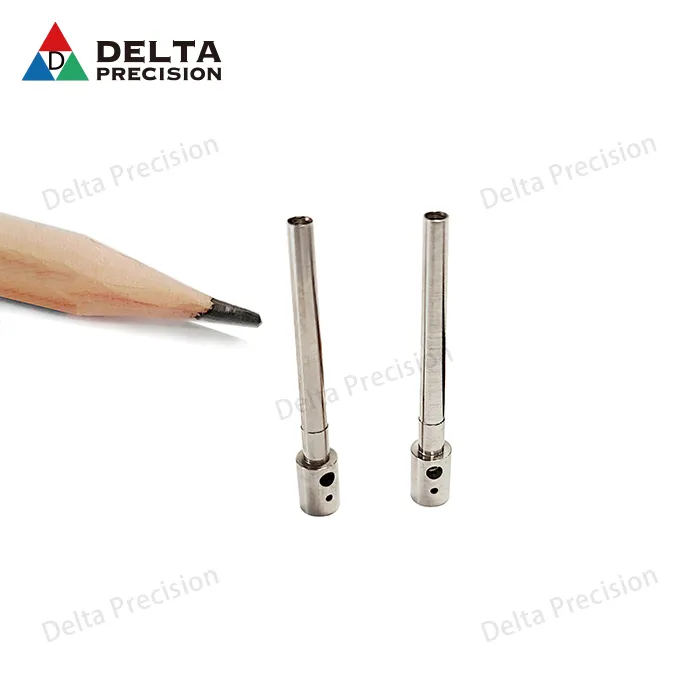
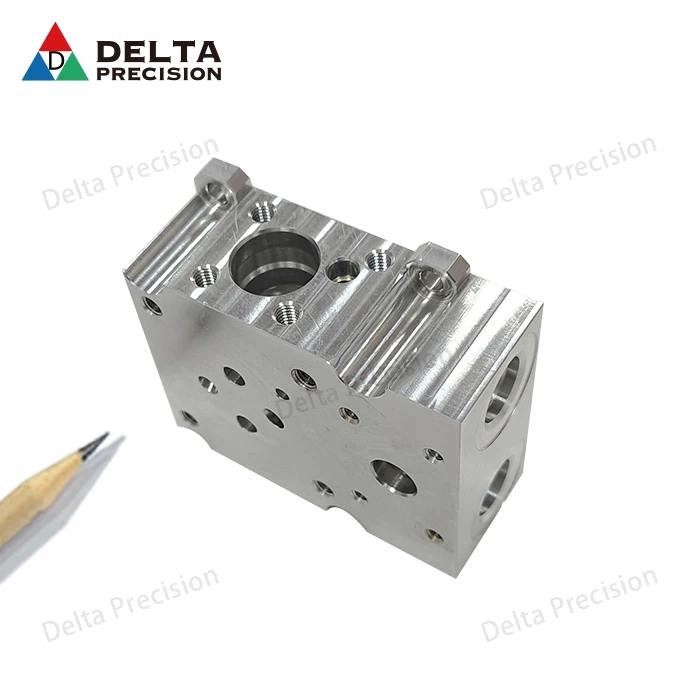
As a Valve Body supplier, we offer a wide range of high-quality Valve Body products. Our valve bodies are designed and manufactured to the highest standards, using the latest technology and materials. We also provide Valve Turned Parts and Valve Machining Components that are precision-engineered to fit perfectly with our valve bodies.
Whether you're in the automotive, aerospace, or industrial sector, our valve bodies and related components can meet your specific needs. We're committed to providing excellent customer service and support, so if you have any questions or need help with testing your solenoids or choosing the right valve body, don't hesitate to reach out.
Conclusion
Testing a solenoid in a valve body might seem a bit daunting at first, but with the right tools and knowledge, it's definitely doable. By following the steps I've outlined here, you can ensure that your valve body is in top-notch condition and functioning properly.
If you're in the market for a new valve body or related components, we'd love to hear from you. Contact us to start a procurement discussion and find out how our products can benefit your business.
References
- Automotive Repair Manuals
- Electrical Engineering Textbooks
- Valve Body Manufacturer's Documentation