

In the intricate world of fluid control systems, valves play a pivotal role in regulating the flow, pressure, and direction of liquids and gases. The response time of a valve, defined as the time it takes for the valve to move from one position to another in response to a control signal, is a critical performance metric. It directly impacts the efficiency, safety, and reliability of the entire system. As a dedicated supplier of Valve Turned Parts, I've witnessed firsthand how these precision-engineered components can significantly influence a valve's response time. In this blog post, I'll delve into the technical aspects of valve turned parts and explore their impact on valve response time.
Understanding Valve Turned Parts
Valve turned parts are components that are manufactured through a machining process called turning. Turning involves rotating a workpiece on a lathe while a cutting tool removes material to create the desired shape. These parts are typically made from metals such as stainless steel, brass, and aluminum, and they are used in a wide range of valve applications, including ball valves, gate valves, and butterfly valves.
Some common examples of valve turned parts include valve stems, valve seats, and valve discs. Each of these components plays a crucial role in the operation of the valve, and their design and quality can have a significant impact on the valve's response time.
The Role of Valve Turned Parts in Valve Response Time
The response time of a valve is influenced by several factors, including the design of the valve, the type of actuator used, and the quality of the valve turned parts. In this section, I'll focus on how valve turned parts can affect the valve's response time.
Precision Manufacturing
One of the key advantages of valve turned parts is their high level of precision. Through advanced machining techniques, these parts can be manufactured to extremely tight tolerances, ensuring a perfect fit and smooth operation. For example, a valve stem that is precisely machined to the correct diameter and length will fit snugly into the valve body, minimizing any play or clearance that could cause delays in the valve's movement.
Similarly, a valve seat that is machined with a high degree of accuracy will provide a tight seal, preventing any leakage and ensuring that the valve can open and close quickly and efficiently. By reducing the amount of friction and resistance within the valve, precision-manufactured valve turned parts can significantly improve the valve's response time.
Material Selection
The choice of material for valve turned parts is also crucial in determining the valve's response time. Different materials have different properties, such as strength, hardness, and corrosion resistance, which can affect the performance of the valve.
For example, stainless steel is a popular choice for valve turned parts due to its high strength and corrosion resistance. It can withstand high pressures and temperatures, making it suitable for use in demanding applications. Brass, on the other hand, is a softer material that is more easily machined and has good thermal conductivity. It is often used in applications where a quick response time is required, such as in pneumatic valves.
By selecting the appropriate material for each valve turned part, manufacturers can optimize the valve's performance and improve its response time.
Surface Finish
The surface finish of valve turned parts can also have a significant impact on the valve's response time. A smooth surface finish reduces friction and wear, allowing the valve to operate more smoothly and efficiently.
For example, a valve stem with a polished surface finish will slide more easily through the valve body, reducing the amount of force required to move the valve. Similarly, a valve seat with a smooth surface finish will provide a better seal, preventing any leakage and ensuring that the valve can open and close quickly.
In addition to reducing friction, a smooth surface finish can also improve the corrosion resistance of the valve turned parts, extending their lifespan and ensuring reliable operation over time.
Case Studies: The Impact of Valve Turned Parts on Valve Response Time
To illustrate the importance of valve turned parts in improving valve response time, let's take a look at some real-world case studies.
Case Study 1: A Hydraulic Valve Application
In a hydraulic valve application, a manufacturer was experiencing slow response times and inconsistent performance. After a thorough inspection, it was discovered that the valve stems and valve seats were not machined to the correct specifications, resulting in excessive play and leakage.
The manufacturer decided to replace the existing valve turned parts with precision-manufactured parts from our company. The new parts were machined to extremely tight tolerances and had a smooth surface finish, which significantly reduced the amount of friction and resistance within the valve.
As a result, the valve's response time improved by over 30%, and the performance of the hydraulic system became more consistent and reliable.
Case Study 2: A Pneumatic Valve Application
In a pneumatic valve application, a customer was looking to improve the response time of their butterfly valves. The existing valve discs were made from a low-quality material and had a rough surface finish, which was causing the valves to stick and operate slowly.
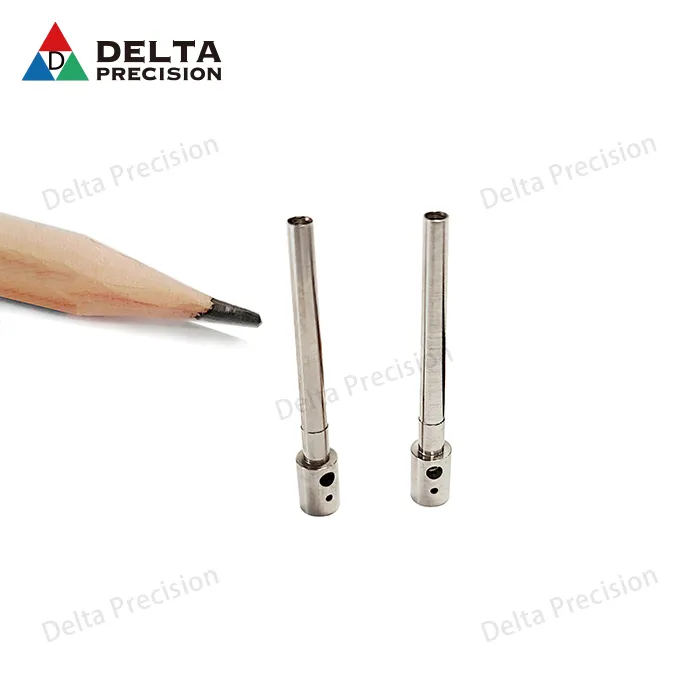

We recommended replacing the existing valve discs with high-quality valve turned parts made from brass. The new valve discs were machined to the correct specifications and had a smooth surface finish, which reduced the amount of friction and wear within the valve.
After installing the new valve discs, the customer reported a significant improvement in the valve's response time, with the valves now opening and closing more quickly and smoothly.
Conclusion
In conclusion, valve turned parts play a crucial role in the operation of valves, and their design and quality can have a significant impact on the valve's response time. By investing in precision-manufactured valve turned parts, manufacturers can improve the performance and reliability of their valves, ensuring faster response times and more efficient operation.
As a leading supplier of Valve Turned Parts, we are committed to providing our customers with the highest quality products and services. Our team of experienced engineers and technicians uses the latest machining techniques and equipment to manufacture valve turned parts that meet the most demanding specifications.
If you're looking to improve the response time of your valves, or if you have any questions about our valve turned parts, please don't hesitate to contact us. We'd be happy to discuss your specific requirements and provide you with a customized solution.
References
- "Valve Handbook," by W. D. Grover
- "Fluid Mechanics and Thermodynamics of Turbomachinery," by S. L. Dixon
- "Engineering Materials and Their Applications," by J. F. Shackelford