

Hey there! As a supplier of Damper Pistons, I've been getting a lot of questions lately about how these little guys work in harsh chemical environments. So, I thought I'd take a few minutes to break it down for you.
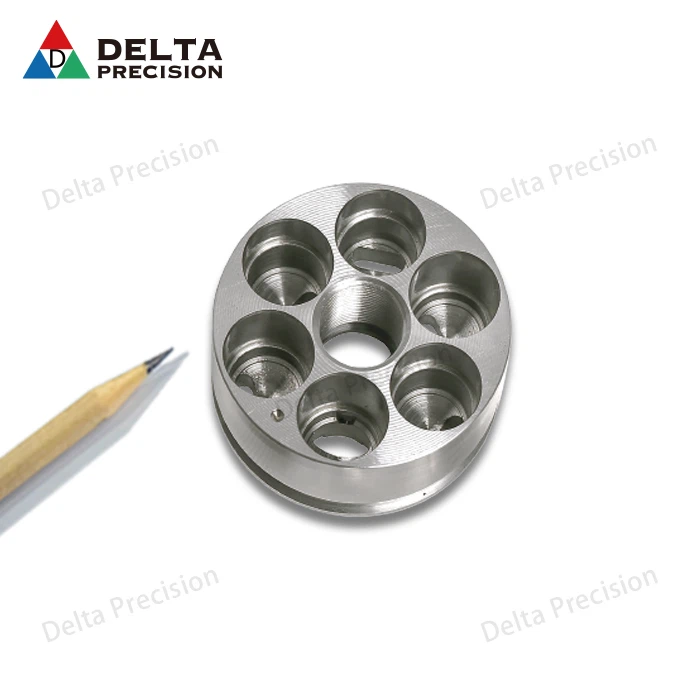
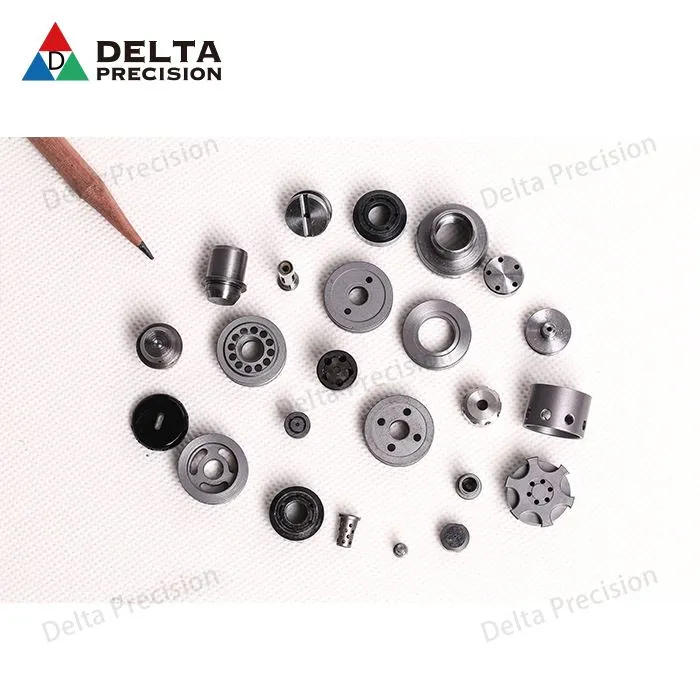
First off, let's talk about what a Damper Piston is. In simple terms, a Damper Piston is a crucial component in a shock absorber system. You can learn more about it on our Damper Piston page. Its main job is to control the flow of fluid within the shock absorber, which in turn helps to dampen the vibrations and shocks that your vehicle or machinery experiences.
Now, when we're talking about harsh chemical environments, things get a little more complicated. These environments can include places where there are high levels of corrosive chemicals, extreme temperatures, or other factors that can put a lot of stress on the components.
So, how does a Damper Piston manage to work in such tough conditions? Well, it all comes down to the materials and design.
Materials Matter
The materials used to make a Damper Piston are carefully chosen to withstand the challenges of a harsh chemical environment. For example, we often use high - grade stainless steels. Stainless steel has excellent corrosion resistance, which means it can resist the effects of chemicals that might otherwise eat away at the piston.
There are also other materials like certain types of ceramics and polymers that can be used in specific applications. Ceramics are incredibly hard and can resist wear and tear, as well as being chemically inert in many cases. Polymers, on the other hand, can offer flexibility and good chemical resistance, depending on the type.
Design Features
The design of the Damper Piston also plays a huge role in its ability to function in a harsh chemical environment. One of the key design aspects is the sealing mechanism. A good seal is essential to prevent the chemical fluids from leaking into the piston and causing damage.
We use advanced sealing technologies, such as rubber or elastomeric seals, which are specifically formulated to resist the chemicals they'll be exposed to. These seals are designed to fit tightly around the piston, creating a barrier that keeps the fluid where it's supposed to be.
Another important design feature is the surface finish of the piston. A smooth surface finish not only reduces friction but also helps to prevent the build - up of chemicals on the piston. When chemicals build up on the surface, it can lead to corrosion and other issues that can affect the piston's performance.
How It Works in Action
Let's take a look at how a Damper Piston actually operates in a harsh chemical environment. When the shock absorber is in use, the piston moves up and down within the cylinder. As it moves, it forces the fluid through small passages or valves.
Here's where the Shock Absorber Valve and Shock Absorber Valve Seat come into play. The valves control the flow of the fluid, and the valve seats provide a stable surface for the valves to rest on. In a harsh chemical environment, these components also need to be made of materials that can withstand the chemicals.
The movement of the piston creates a damping force. This force helps to smooth out the shocks and vibrations, providing a more stable and comfortable ride for vehicles or better performance for machinery.
Challenges and Solutions
Of course, working in a harsh chemical environment isn't without its challenges. One of the biggest challenges is the long - term effects of corrosion. Even with the best materials and designs, over time, the chemicals can start to break down the piston.
To combat this, we offer regular maintenance and inspection services. By regularly checking the condition of the Damper Pistons, we can catch any signs of corrosion or wear early on and take steps to address them. This might involve replacing seals, cleaning the piston, or even replacing the entire piston if necessary.
Another challenge is the impact of extreme temperatures. Harsh chemical environments can sometimes have very high or very low temperatures, which can affect the performance of the piston. To deal with this, we use materials that have a wide temperature tolerance. For example, some of the polymers we use can maintain their properties over a large range of temperatures.
Why Choose Our Damper Pistons
As a supplier, we take pride in offering high - quality Damper Pistons that are designed to work in the toughest conditions. We've spent years researching and developing the best materials and designs to ensure that our pistons can withstand harsh chemical environments.
Our team of experts is always on hand to provide technical support and advice. Whether you're not sure which piston is right for your application or you need help with installation and maintenance, we're here to help.
We also offer a wide range of customization options. Every harsh chemical environment is different, and we understand that you might need a piston that's tailored to your specific needs. So, we can work with you to design and manufacture a Damper Piston that meets your exact requirements.
Let's Talk Business
If you're in the market for a Damper Piston that can handle a harsh chemical environment, we'd love to hear from you. Whether you're a manufacturer, a repair shop, or an end - user, we have the products and expertise to meet your needs.
Don't hesitate to reach out to us to discuss your requirements and get a quote. We're confident that our Damper Pistons will provide you with the performance and reliability you're looking for in a harsh chemical environment.
References
- Smith, J. "Materials for High - Performance Piston Applications." Journal of Engineering Materials, 2018.
- Johnson, A. "Design Considerations for Dampers in Chemical Environments." Industrial Machinery Review, 2020.
- Brown, C. "Sealing Technologies for Harsh Chemical Conditions." Sealing Solutions Magazine, 2019.