

Hey there! As a supplier of Valve Bodies, I've been deeply involved in the pneumatic systems industry for quite a while. Today, I'm super excited to share with you how a valve body controls the flow of air in a pneumatic system.
First off, let's understand what a pneumatic system is. In simple terms, it's a system that uses compressed air to do work. Think of all those cool machines in factories that can move, lift, or perform various tasks with the power of air. And right at the heart of these systems, the valve body plays a crucial role.
A valve body is like the traffic cop of a pneumatic system. It decides where the air goes and how much of it gets there. It's made up of a bunch of components that work together to regulate the air flow.
One of the key components in a valve body is the spool. The spool is like a little piston that can move back and forth inside the valve body. When it moves, it opens and closes different passages for the air to flow through. For example, when the spool is in one position, it might allow air to flow into a cylinder, causing it to extend. When it moves to another position, it can reverse the flow, making the cylinder retract.
The movement of the spool is controlled by different means. One common way is through solenoids. Solenoids are electromagnets that can generate a magnetic field when an electric current passes through them. When the solenoid is energized, it pulls or pushes the spool, changing the air flow path. This is a very precise way of controlling the valve body, as the electrical signals can be easily adjusted to get the desired movement of the spool.

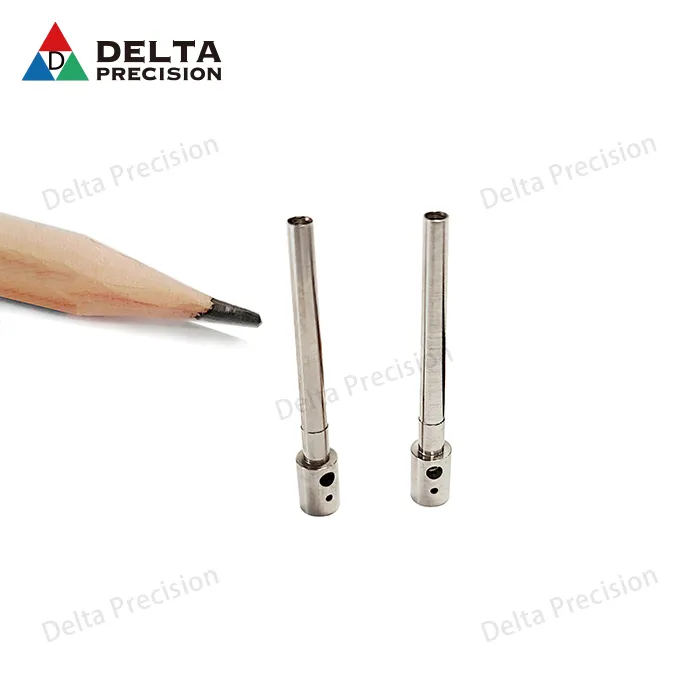
Another important aspect of how a valve body controls air flow is the size and shape of the passages inside it. The design of these passages determines the rate at which the air can flow. If the passages are large, more air can flow through quickly, resulting in a faster movement of the pneumatic components. On the other hand, smaller passages restrict the air flow, leading to slower and more controlled movements.
Let's talk about some of the different types of valve bodies and how they control air flow. There are directional control valves, which are used to change the direction of the air flow. These valves can have different numbers of ports and positions. For instance, a 3 - way directional control valve can direct the air to one of two different paths or block the flow altogether.
There are also flow control valves. These valves are used to regulate the amount of air flowing through the system. They can be adjusted to increase or decrease the flow rate, which is really useful when you need to control the speed of a pneumatic actuator.
Now, as a Valve Body supplier, I know that the quality of the valve body is crucial for the proper functioning of the pneumatic system. That's why we pay a lot of attention to the manufacturing process. We use high - quality materials and advanced machining techniques to ensure that our valve bodies are precise and reliable.
If you're in the market for valve - related components, we also offer Valve Turned Parts and Valve Machining Components. These parts are made to the same high standards as our Valve Body, and they work seamlessly together to provide a complete solution for your pneumatic system needs.
In a pneumatic system, the valve body also needs to work in harmony with other components. For example, pressure regulators are used to control the pressure of the compressed air before it enters the valve body. If the pressure is too high, it can damage the valve body and other components. So, the pressure regulator ensures that the air pressure is within the safe and optimal range for the valve body to operate.
Filters are another important part of the system. They remove dirt, dust, and other contaminants from the compressed air. If these contaminants enter the valve body, they can cause wear and tear on the moving parts, leading to malfunctions. So, a good filter is essential for the long - term performance of the valve body.
The valve body also needs to be properly maintained. Regular inspection and cleaning can prevent problems like clogging and leakage. If there are any signs of wear or damage, the valve body should be repaired or replaced as soon as possible to avoid system failures.
In conclusion, the valve body is a vital component in a pneumatic system. It controls the flow of air by using components like spools, solenoids, and well - designed passages. Different types of valve bodies serve different purposes, from changing the direction of air flow to regulating the flow rate.
If you're interested in our Valve Bodies, Valve Turned Parts, or Valve Machining Components, I encourage you to reach out for a procurement discussion. We're here to provide you with the best products and solutions for your pneumatic system needs.
References
- Pneumatic Systems Handbook
- Industrial Pneumatics: Principles and Applications