

As a supplier of small plastic parts, I've faced my fair share of challenges when it comes to the shrinkage rate of these parts. It's a common issue in the plastic manufacturing industry, and getting it right can make or break a product. In this blog, I'll share some tips on how to adjust the shrinkage rate of small plastic parts based on my experiences.
Understanding Shrinkage in Small Plastic Parts
Before diving into the solutions, let's first understand what causes shrinkage in small plastic parts. When plastic is injected into a mold and then cools down, it naturally contracts. This is normal, but the amount of shrinkage can vary depending on several factors, including the type of plastic material, the shape and size of the part, and the processing conditions.
For example, different plastics have different shrinkage rates. Crystalline plastics, like polyethylene and polypropylene, generally have higher shrinkage rates compared to amorphous plastics, such as polystyrene and ABS. The complexity of the part's design also plays a role. Parts with thick walls or uneven cross - sections may experience uneven shrinkage, leading to warping or dimensional inaccuracies.
Material Selection
One of the first steps in controlling shrinkage is choosing the right plastic material. As I mentioned earlier, different plastics have different shrinkage characteristics. If you're producing a part that requires high dimensional accuracy, you might want to consider using an amorphous plastic. These plastics have more predictable shrinkage rates and are less likely to warp.
However, if you need a part with high strength and chemical resistance, a crystalline plastic might be a better choice. In this case, you'll need to work closely with your material supplier to understand the specific shrinkage rate of the material and how to compensate for it during the manufacturing process. Some suppliers even offer modified plastics with reduced shrinkage rates.
Mold Design
The design of the mold is crucial in adjusting the shrinkage rate of small plastic parts. The gate location, for example, can significantly affect how the plastic flows into the mold and how it shrinks. A well - placed gate can ensure that the plastic fills the mold evenly and reduces the chances of uneven shrinkage.
You can also use inserts or ribs in the mold design to help control shrinkage. Inserts can be used to reinforce certain areas of the part, reducing the amount of shrinkage in those areas. Ribs, on the other hand, can provide additional support and help distribute the stress during the cooling process, minimizing warping.
Processing Conditions
The processing conditions during injection molding have a huge impact on the shrinkage rate. Temperature, pressure, and cooling time are the key variables that you need to control.
Temperature
The barrel temperature affects the viscosity of the plastic. A higher temperature generally results in lower viscosity, which can lead to better flow and filling of the mold. However, if the temperature is too high, it can cause excessive shrinkage. You need to find the optimal temperature range for the specific plastic material you're using.
The mold temperature also plays a role. A higher mold temperature can slow down the cooling rate of the plastic, allowing it to shrink more uniformly. This can be especially beneficial for parts with complex shapes.
Pressure
Injection pressure is used to force the plastic into the mold. A higher pressure can help fill the mold completely and reduce the voids in the part. However, too much pressure can cause the plastic to pack too tightly in the mold, leading to higher internal stresses and increased shrinkage after ejection. You need to find the right balance between filling the mold and avoiding excessive pressure.
Cooling Time
The cooling time is the period when the plastic in the mold cools down and solidifies. A longer cooling time can reduce the shrinkage rate because it allows the plastic more time to reach its equilibrium state. However, longer cooling times also mean lower production efficiency. You need to optimize the cooling time based on the part's size, shape, and the plastic material.
Monitoring and Quality Control
Once you've set up the material, mold design, and processing conditions, it's important to continuously monitor the shrinkage rate of the small plastic parts. You can use measuring tools, such as calipers and micrometers, to check the dimensions of the parts regularly.
If you notice any deviations in the shrinkage rate, you can make adjustments to the processing conditions or the mold design accordingly. For example, if the parts are shrinking more than expected, you might need to increase the mold temperature or the cooling time.
Advanced Techniques
In some cases, you might need to use more advanced techniques to adjust the shrinkage rate. Small Part Injection Molding and Micro Injection Molding are two such techniques.
Small Part Injection Molding is specifically designed for producing small plastic parts with high precision. It allows for better control of the injection process, which can help reduce shrinkage. Micro Injection Molding, on the other hand, is used for producing extremely small parts. It requires even more precise control of the processing conditions to ensure accurate dimensions and low shrinkage.
Conclusion
Adjusting the shrinkage rate of small plastic parts is a complex process that requires a good understanding of the plastic material, mold design, and processing conditions. By carefully selecting the material, optimizing the mold design, controlling the processing variables, and implementing effective quality control measures, you can significantly reduce the shrinkage rate and produce high - quality small plastic parts.
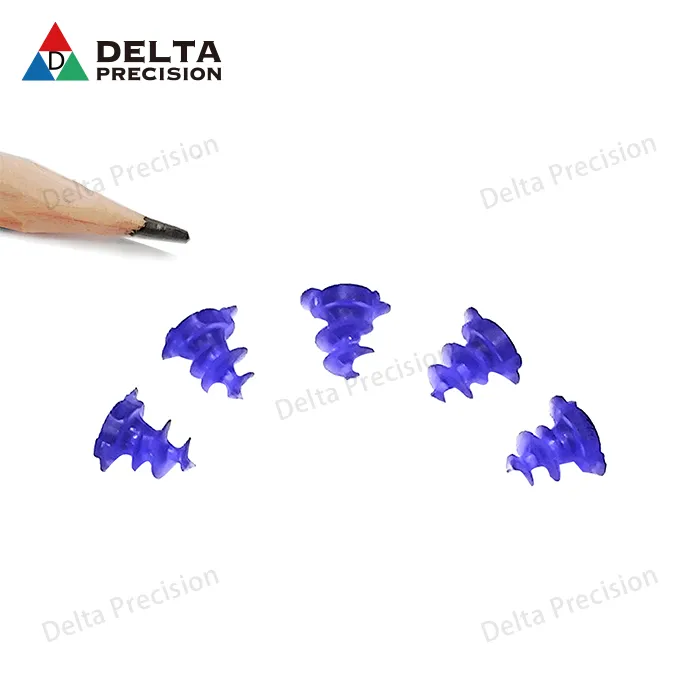

If you're in the market for small plastic parts and are looking for a reliable supplier who understands these challenges and can deliver parts with precise dimensions, I'd love to have a chat with you. Whether you need parts for a prototype or a large - scale production run, I'm here to help. Let's talk about your project and find the best solutions together.
References
- Throne, J. L. (1996). Plastic Injection Molding Technology. Hanser Publishers.
- Beeson, T. M., & Naughton, A. R. (2005). Plastics Process Engineering Handbook. Elsevier.