

Hey there! As a supplier of servo valve parts, I've seen firsthand how crucial it is to store these components properly. Servo valve parts are precision-engineered and can be pretty delicate. If they're not stored right, they can get damaged, which is a huge headache for everyone involved. So, in this blog, I'm gonna share some tips on how to store servo valve parts properly to avoid damage.
Understanding the Parts
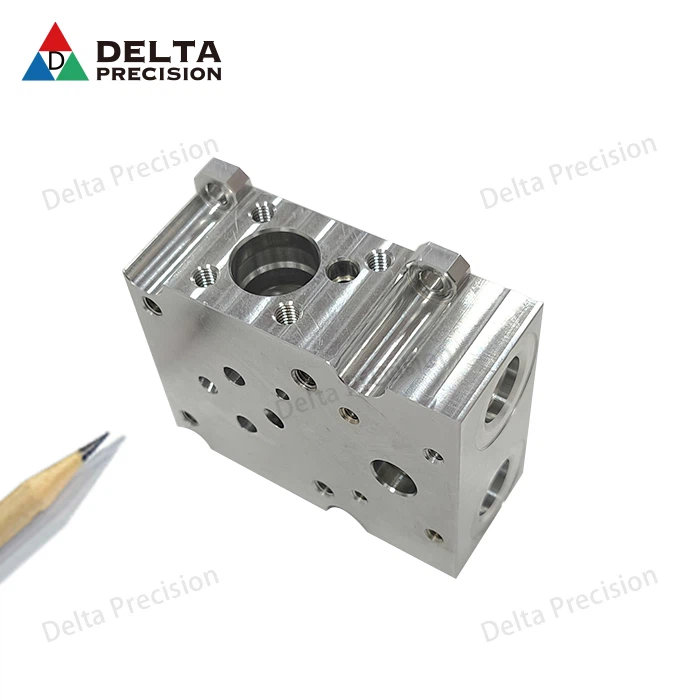
First things first, let's talk a bit about the different types of servo valve parts. We've got Valve Turned Parts, which are made through a turning process. These parts often have very precise dimensions, and even a small scratch or dent can mess up their performance. Then there are Valve Machining Components. These are crafted using various machining techniques, and they need to be protected from contaminants and physical impacts. And of course, we can't forget about the Valve Body. This is the main housing for the servo valve, and it's important to keep it in good shape to ensure the overall functionality of the valve.
Storage Environment
The storage environment plays a huge role in keeping servo valve parts in good condition. Temperature and humidity are two key factors. You want to store the parts in a place where the temperature is relatively stable. Extreme heat or cold can cause the materials to expand or contract, which can lead to warping or cracking. A temperature range of around 20 - 25 degrees Celsius is ideal.
Humidity is also a big deal. High humidity can cause rust and corrosion, especially on metal parts. You should aim for a relative humidity of around 40 - 60%. If the humidity in your storage area is too high, you can use dehumidifiers to bring it down. On the other hand, if it's too low, it can cause static electricity, which can attract dust and damage sensitive electronic components in some servo valve parts.
Another thing to consider is the cleanliness of the storage area. Dust, dirt, and other contaminants can get into the parts and cause problems. Make sure the storage area is regularly cleaned, and keep the parts covered when they're not being used. You can use plastic covers or sealed containers to protect them from dust.
Packaging
Proper packaging is essential for storing servo valve parts. When the parts are first manufactured or received, they should be packaged in a way that provides adequate protection. For small parts, you can use plastic bags with anti-static properties. These bags help prevent static electricity from building up and attracting dust. You can also add some cushioning material, like foam or bubble wrap, to protect the parts from impacts.
For larger parts, such as the valve body, you might need custom-made packaging. Wooden crates or heavy-duty plastic containers can be used to provide a sturdy and protective enclosure. Make sure the parts are secured inside the container so they don't move around during storage or transportation. You can use straps or foam inserts to hold the parts in place.
Handling
How you handle the servo valve parts during storage is also important. Always wear clean gloves when handling the parts to prevent fingerprints and oils from your hands from getting on them. Fingerprints can leave behind residues that can cause corrosion over time.
When moving the parts, be gentle and avoid dropping or banging them. Even a small impact can cause damage to the delicate components. Use proper lifting equipment, such as hoists or forklifts, for larger parts. And make sure the equipment is in good working condition to prevent accidents.
Organization
Keeping your servo valve parts organized in storage can also help prevent damage. Create a system for storing the parts, such as using shelves or racks. Label each shelf or container clearly so you can easily find the parts you need. This not only makes it easier to access the parts but also reduces the risk of accidentally knocking them over or damaging them while searching for something.
You can also use an inventory management system to keep track of the parts. This will help you know when you're running low on certain parts and when it's time to reorder. It can also help you identify any parts that have been in storage for a long time and might need to be inspected or replaced.
Inspection
Regular inspection of the stored servo valve parts is crucial. Set up a schedule to check the parts for any signs of damage, such as rust, cracks, or deformation. If you notice any problems, take action immediately. You might need to clean the parts, repair them, or replace them if the damage is too severe.

Inspection is also a good time to check the packaging and storage conditions. Make sure the packaging is still intact and that the storage environment is within the recommended temperature and humidity ranges. If you find any issues with the storage environment, take steps to correct them right away.
Conclusion
Storing servo valve parts properly is not rocket science, but it does require attention to detail. By following these tips on storage environment, packaging, handling, organization, and inspection, you can significantly reduce the risk of damage to your servo valve parts.
As a supplier of servo valve parts, I know how important it is for our customers to receive high-quality parts that are in good condition. If you're in the market for servo valve parts or have any questions about storing them, feel free to reach out. We're here to help you ensure that your servo valve systems are running smoothly.
References
- "Precision Component Storage Guidelines" - Industry Handbook
- "Best Practices for Servo Valve Maintenance" - Technical Journal