

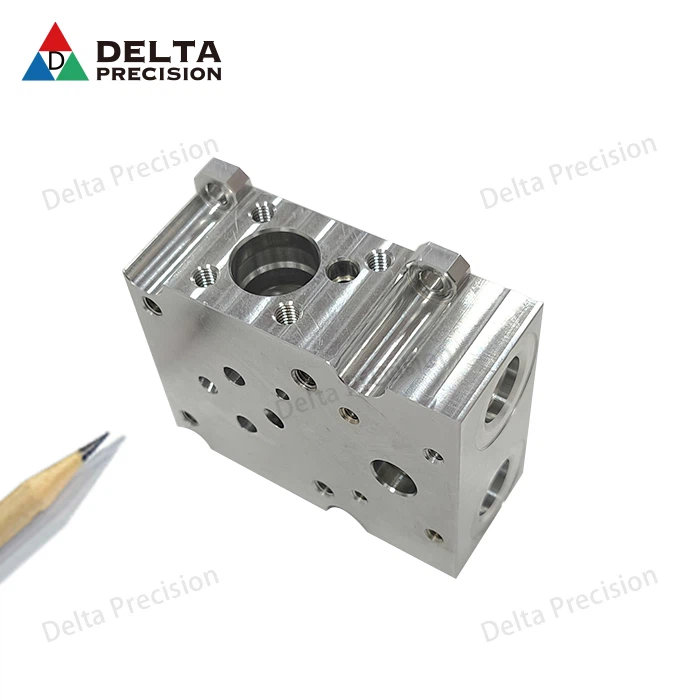
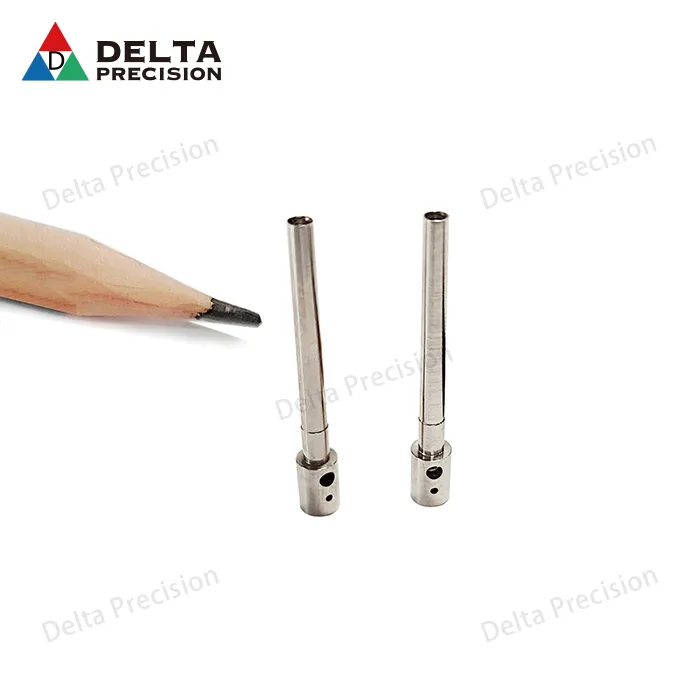
Testing the static characteristics of servo valve parts is a critical process that ensures the performance, reliability, and precision of these components in various hydraulic systems. As a leading supplier of servo valve parts, including Valve Turned Parts, Valve Machining Components, and Valve Body, I understand the importance of accurate testing. In this blog post, I will share some key steps and methods for testing the static characteristics of servo valve parts.
Understanding Static Characteristics of Servo Valve Parts
Before delving into the testing process, it's essential to understand what static characteristics are. Static characteristics refer to the performance parameters of servo valve parts under steady - state conditions. These include flow - pressure characteristics, leakage characteristics, and gain characteristics. These parameters directly affect the overall performance of the servo valve, such as its control accuracy, response speed, and stability.
Preparation for Testing
1. Equipment Selection
To test the static characteristics of servo valve parts, we need a set of specialized testing equipment. This includes a hydraulic power unit, pressure sensors, flow meters, and a data acquisition system. The hydraulic power unit provides the necessary hydraulic pressure and flow for the test. Pressure sensors are used to measure the pressure at different points in the system, while flow meters measure the flow rate. The data acquisition system collects and analyzes the data from the sensors.
2. Sample Preparation
Select representative samples of servo valve parts for testing. Ensure that the samples are clean and free from any damage or contaminants. Check the dimensions and surface finish of the parts to ensure they meet the design requirements.
3. Testing Environment
The testing environment should be stable and free from external interference. The temperature and humidity should be controlled within a certain range to ensure the accuracy of the test results.
Testing Methods
1. Flow - Pressure Characteristic Testing
The flow - pressure characteristic is one of the most important static characteristics of servo valve parts. It describes the relationship between the flow rate through the valve and the pressure difference across it.
- Test Setup: Connect the servo valve part to the testing system. Adjust the hydraulic power unit to provide a series of different pressure differences across the valve. Measure the corresponding flow rates using the flow meter.
- Data Collection: Record the pressure and flow data at each pressure difference. Repeat the test several times to ensure the accuracy of the data.
- Data Analysis: Plot the flow - pressure curve based on the collected data. Analyze the curve to determine the flow coefficient, the maximum flow rate, and the pressure - flow relationship of the valve part.
2. Leakage Characteristic Testing
Leakage is another important parameter that affects the performance of servo valve parts. Excessive leakage can lead to energy loss, reduced control accuracy, and even system failure.
- Test Setup: Close the outlet of the servo valve part and apply a certain pressure to the inlet. Use a pressure sensor to monitor the pressure change over time.
- Data Collection: Record the pressure drop over a specific period. Calculate the leakage rate based on the pressure drop and the volume of the valve cavity.
- Data Analysis: Compare the measured leakage rate with the design requirements. If the leakage rate exceeds the allowable limit, the valve part may need to be further inspected or repaired.
3. Gain Characteristic Testing
The gain characteristic of a servo valve part describes the relationship between the input signal (such as the control current) and the output signal (such as the flow rate or pressure).
- Test Setup: Connect the servo valve part to a control system. Apply a series of different input signals to the valve and measure the corresponding output signals.
- Data Collection: Record the input and output data at each input signal level. Repeat the test several times to ensure the accuracy of the data.
- Data Analysis: Calculate the gain of the valve part based on the input - output data. Analyze the gain characteristic curve to determine the linearity, sensitivity, and dead - zone of the valve.
Evaluation of Test Results
1. Comparison with Design Requirements
Compare the test results with the design requirements of the servo valve parts. If the test results meet the requirements, the parts are considered to be qualified. If not, further analysis and improvement are needed.
2. Statistical Analysis
Conduct statistical analysis on the test results of multiple samples. Calculate the mean, standard deviation, and other statistical parameters to evaluate the consistency and reliability of the parts.
3. Failure Analysis
If any of the test results do not meet the requirements, conduct a failure analysis to identify the root cause of the problem. This may involve inspecting the parts under a microscope, analyzing the manufacturing process, or checking the material properties.
Importance of Testing for Suppliers
As a supplier of servo valve parts, testing the static characteristics of our products is of utmost importance.
- Quality Assurance: Accurate testing ensures that our products meet the high - quality standards required by our customers. This helps us build a good reputation in the market and increase customer satisfaction.
- Product Improvement: The test results provide valuable feedback for product improvement. By analyzing the test data, we can identify the areas where our products need improvement and take corresponding measures to optimize the design and manufacturing process.
- Compliance with Standards: Testing helps us ensure that our products comply with relevant industry standards and regulations. This is essential for entering the international market and meeting the requirements of different customers.
Conclusion
Testing the static characteristics of servo valve parts is a complex but necessary process. By following the proper testing methods and procedures, we can accurately evaluate the performance of the parts and ensure their quality and reliability. As a supplier of servo valve parts, we are committed to providing high - quality products to our customers. If you are interested in our Valve Turned Parts, Valve Machining Components, or Valve Body, please feel free to contact us for further information and procurement discussions.
References
- "Hydraulic Control Systems" by R. D. Simpson.
- "Fluid Power Technology" by Anthony Esposito.