

Hey there! As a supplier of Damper Pistons, I've spent a good amount of time diving into the ins and outs of these nifty components. One aspect that often doesn't get as much attention as it should is the acoustic properties of a damper piston. So, let's take a closer look at what makes these things tick from an acoustic perspective.
First off, what exactly is a damper piston? Well, in simple terms, it's a key part of a shock absorber system. You can find out more about it right here. The damper piston moves up and down inside the shock absorber, and its main job is to control the flow of fluid, which in turn helps to dampen the vibrations and shocks that your vehicle or machinery experiences.

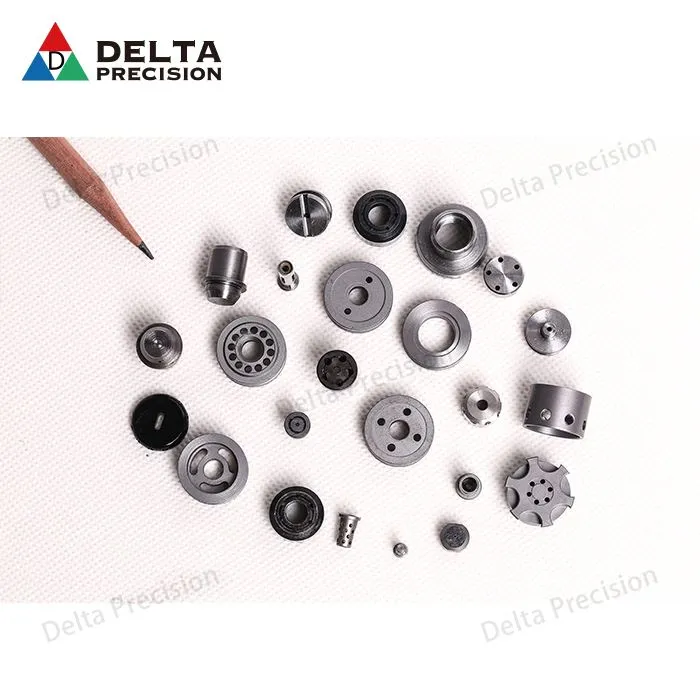
Now, let's talk about acoustics. Acoustic properties refer to how a material or component interacts with sound waves. When it comes to the damper piston, these properties can have a big impact on how the shock absorber as a whole performs, and even on the overall comfort and noise levels of the vehicle or equipment.
One of the main acoustic properties we need to consider is damping ratio. The damping ratio of a damper piston affects how quickly it can absorb and dissipate energy from vibrations. A higher damping ratio means that the piston can more effectively reduce the amplitude of vibrations, which in turn can lead to less noise being generated. Think of it like this: when you're driving over a bumpy road, a damper piston with a good damping ratio will smooth out the ride and prevent the shocks from causing excessive rattling or thumping noises.
Another important acoustic property is resonance. Resonance occurs when an object vibrates at its natural frequency, and it can cause a significant increase in the amplitude of vibrations and noise. In the case of a damper piston, if the natural frequency of the piston matches the frequency of the vibrations it's supposed to dampen, it can lead to a phenomenon called "resonance-induced noise." This is something we definitely want to avoid, and it's one of the reasons why careful design and engineering are so important when it comes to damper pistons.
The material of the damper piston also plays a crucial role in its acoustic properties. Different materials have different densities, stiffness, and damping characteristics, which can all affect how they interact with sound waves. For example, a piston made from a soft, rubbery material might have better damping properties but could also be less durable. On the other hand, a piston made from a hard, metallic material might be more rigid and durable but could potentially transmit more vibrations and noise. Finding the right balance between these factors is key to creating a damper piston with optimal acoustic performance.
Surface finish is yet another factor that can impact the acoustic properties of a damper piston. A rough surface can cause more friction and turbulence as the piston moves through the fluid, which can lead to increased noise. By contrast, a smooth surface finish can help to reduce friction and minimize the generation of noise. That's why we pay close attention to the surface finish of our damper pistons, using advanced machining techniques to ensure that they have a smooth, uniform surface.
In addition to these factors, the design of the shock absorber valve also has a significant influence on the acoustic properties of the damper piston. The shock absorber valve controls the flow of fluid through the piston, and its design can affect how the piston responds to different types of vibrations. You can learn more about shock absorber valves here. A well-designed valve can help to optimize the damping performance of the piston and reduce noise levels.
The shock absorber valve seat is another component that works in tandem with the damper piston. The valve seat provides a sealing surface for the valve, and its design and material can impact the overall performance of the shock absorber. You can find out more about shock absorber valve seats here. A properly designed valve seat can help to ensure smooth and quiet operation of the shock absorber system.
So, why does all of this matter? Well, for one thing, noise reduction is a major concern for many industries. In the automotive industry, for example, consumers expect a quiet and comfortable ride. Excessive noise from the shock absorber system can be a major turn-off for customers, and it can even affect the reputation of the vehicle manufacturer. In the industrial equipment sector, noise can also be a problem, as it can lead to worker fatigue and even hearing damage. By understanding and optimizing the acoustic properties of damper pistons, we can help our customers to create products that are quieter, more comfortable, and more reliable.
If you're in the market for high-quality damper pistons, shock absorber valves, or shock absorber valve seats, we'd love to hear from you. We've got years of experience in the industry, and we're committed to providing our customers with the best products and services possible. Whether you're a vehicle manufacturer, an industrial equipment supplier, or just someone looking for a reliable solution for your shock absorber needs, we're here to help.
In conclusion, the acoustic properties of a damper piston are complex and multifaceted, but they play a crucial role in the performance and comfort of vehicles and equipment. By paying attention to factors like damping ratio, resonance, material, surface finish, and the design of related components like the shock absorber valve and valve seat, we can create damper pistons that offer optimal acoustic performance. If you have any questions or if you're interested in learning more about our products, don't hesitate to reach out. Let's start a conversation and see how we can work together to meet your needs.
References
- "Fundamentals of Shock Absorber Design and Performance" - A technical handbook on shock absorber engineering
- "Acoustic Properties of Materials and Components" - A research paper on the acoustic behavior of various engineering materials