

Hey there! I'm a supplier of small plastic parts, and I've been in this business for quite some time. One question that often comes up from my customers is about the aging resistance properties of these small plastic parts. So, I thought I'd write this blog to share what I know.
First off, let's talk about what aging resistance means in the context of small plastic parts. Aging resistance refers to how well a plastic part can withstand the effects of time, environmental factors, and other stresses without significant degradation in its properties. These properties include mechanical strength, appearance, chemical stability, and more.
Factors Affecting Aging Resistance
There are several factors that can influence the aging resistance of small plastic parts.
Material Selection
The type of plastic material used is crucial. Different plastics have different inherent aging resistance capabilities. For example, polycarbonate is known for its good impact resistance and transparency, and it also has relatively good aging resistance against UV light and weathering compared to some other plastics. On the other hand, polypropylene is a widely used plastic for small parts due to its low cost and good processability, but it may be more susceptible to oxidation and UV degradation over time.

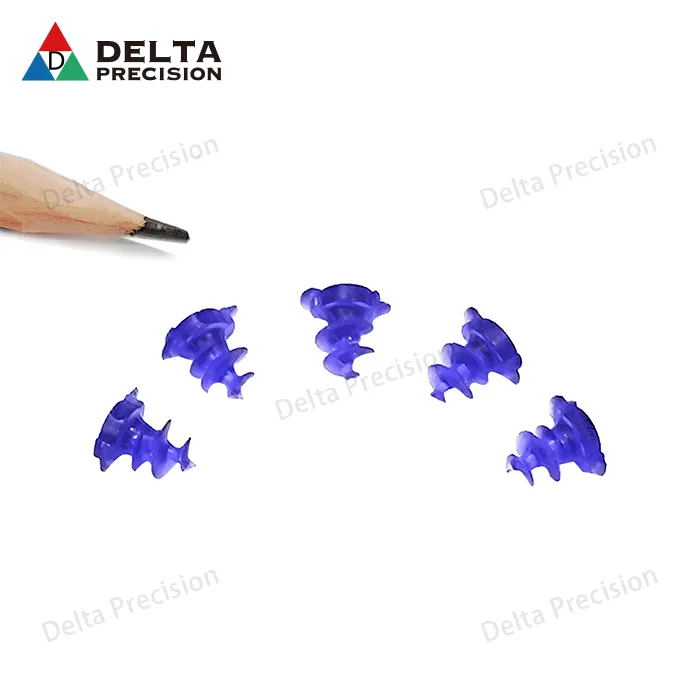
As a supplier, I always work closely with my customers to select the most suitable plastic material for their specific applications. Whether it's a part that will be exposed to outdoor conditions or one that needs to maintain its properties in a chemical - rich environment, the right material choice can make a huge difference. You can learn more about the manufacturing processes like Micro Injection Molding and Small Part Injection Molding on our website, which are important in creating high - quality small plastic parts.
Environmental Conditions
The environment where the small plastic parts will be used plays a big role. If the parts are exposed to high temperatures, they may experience thermal aging. This can cause the plastic to become brittle, lose its flexibility, and even change its dimensions. For instance, a small plastic part in an engine compartment of a vehicle is constantly exposed to high temperatures, and it needs to have good thermal aging resistance.
UV radiation is another major environmental factor. Plastics exposed to sunlight can undergo photochemical reactions, which can lead to discoloration, cracking, and a decrease in mechanical strength. In outdoor applications such as garden equipment or outdoor signage, the plastic parts need to be able to resist the harmful effects of UV rays.
Humidity and moisture can also affect the aging of plastic parts. Some plastics can absorb water, which may cause swelling, a reduction in mechanical properties, and even promote the growth of mold and bacteria. For example, small plastic parts in a bathroom or a humid industrial environment need to be resistant to moisture - induced aging.
Processing Conditions
The way the small plastic parts are manufactured can also impact their aging resistance. During the injection molding process, factors such as temperature, pressure, and cooling rate can affect the internal structure of the plastic. If the processing conditions are not optimized, the part may have internal stresses, which can make it more prone to aging. For example, a part with high internal stresses may crack more easily when exposed to environmental factors.
Testing Aging Resistance
To ensure that the small plastic parts I supply have good aging resistance, I use a variety of testing methods.
Accelerated Aging Tests
Accelerated aging tests are commonly used. These tests simulate long - term environmental exposure in a short period of time. For example, a part may be placed in a chamber where it is exposed to high temperatures, high humidity, and UV radiation simultaneously. By monitoring the changes in the part's properties over a relatively short period, we can predict how it will perform over a much longer time in real - world conditions.
Real - World Testing
In addition to accelerated aging tests, I also conduct real - world testing. This involves placing the parts in actual usage environments and monitoring their performance over time. For example, if a customer needs small plastic parts for a solar panel application, I may place some test parts on a solar panel installation and regularly check for any signs of aging.
Improving Aging Resistance
There are several ways to improve the aging resistance of small plastic parts.
Additives
Adding certain additives to the plastic material can enhance its aging resistance. UV stabilizers can be added to protect the plastic from UV radiation. Antioxidants can prevent oxidation, which is a common cause of aging in plastics. Flame retardants can also be added, especially for parts that need to meet fire safety requirements, and they can also have a positive impact on the overall aging resistance of the plastic.
Surface Treatments
Surface treatments can also be used to improve aging resistance. For example, applying a protective coating to the plastic part can act as a barrier against environmental factors. This coating can prevent UV radiation from reaching the plastic, reduce moisture absorption, and protect the part from chemical attack.
Applications with High Aging Resistance Requirements
There are many applications where small plastic parts need to have excellent aging resistance.
Medical Devices
In the medical field, small plastic parts are used in a wide range of devices. These parts need to maintain their properties over time, especially when they come into contact with body fluids or are used in sterilization processes. For example, small plastic components in a syringe or a medical implant need to be resistant to chemical degradation, moisture, and high - temperature sterilization.
Automotive Industry
The automotive industry also has high requirements for the aging resistance of small plastic parts. Parts such as interior trim pieces, dashboard components, and under - the - hood parts need to withstand high temperatures, UV radiation, and mechanical stress. A cracked or degraded plastic part in a vehicle can not only affect the appearance but also pose a safety risk.
Electronics
In the electronics industry, small plastic parts are used in everything from smartphones to computers. These parts need to be resistant to heat generated by the electronic components, as well as environmental factors such as humidity and dust. A plastic part that ages poorly in an electronic device can lead to malfunctions or a shorter lifespan of the device.
Conclusion
As a supplier of small plastic parts, understanding and ensuring the aging resistance of these parts is crucial. By carefully selecting the right materials, optimizing the processing conditions, conducting thorough testing, and using appropriate additives and surface treatments, I can provide my customers with high - quality small plastic parts that have excellent aging resistance.
If you're in the market for small plastic parts with great aging resistance, I'd love to have a chat with you. Whether you have a specific application in mind or need some advice on material selection and design, I'm here to help. Let's work together to find the best solutions for your small plastic part needs.
References
- "Plastics Engineering Handbook", Various authors
- "Handbook of Polymer Degradation", edited by S. S. Al - Maadeed and A. Al - Mulla