

As a supplier of small plastic parts, I've had the privilege of working with a wide range of colors in the industry. Small plastic parts are used in numerous applications, from consumer electronics to automotive components, and the choice of color can significantly impact both the functionality and aesthetics of the final product. In this blog, I'll explore the common colors of small plastic parts and their implications.
Black: The Classic and Versatile Choice
Black is perhaps the most common color for small plastic parts, and for good reason. It exudes a sense of sophistication and professionalism, making it a popular choice for high - end consumer products such as smartphones, laptops, and audio equipment. The sleek and modern look of black plastic parts can enhance the overall appearance of the device, giving it a premium feel.
From a practical perspective, black plastic is also highly resistant to fading and discoloration. This is especially important for parts that are exposed to sunlight or other environmental factors over time. Additionally, black can help to hide scratches and dirt, which is beneficial for products that are frequently handled or used in dirty environments.
In the automotive industry, black plastic parts are commonly used for interior trim, dashboard components, and exterior accents. The color provides a cohesive and stylish look that complements the overall design of the vehicle. For example, black plastic bezels around the car's headlights or taillights can add a touch of elegance and make the lighting elements stand out.
White: Clean and Pure
White is another popular color for small plastic parts, often associated with cleanliness, purity, and modernity. It is frequently used in products where a fresh and hygienic appearance is desired, such as medical devices, kitchen appliances, and bathroom fixtures.
In the medical field, white plastic parts are commonly used for disposable syringes, IV connectors, and other single - use medical equipment. The color gives the impression of sterility and reliability, which is crucial for patient safety. In kitchen appliances, white plastic parts can create a bright and inviting look, making the appliance blend in well with modern kitchen decor.
However, white plastic is more prone to staining and discoloration compared to black. It requires more careful handling and maintenance to keep its pristine appearance. Special additives can be incorporated into the plastic during the manufacturing process to improve its resistance to yellowing and staining.
Gray: The Neutral Option
Gray is a neutral color that offers a balance between the boldness of black and the purity of white. It is a versatile color that can be used in a wide range of applications, from industrial equipment to consumer products.

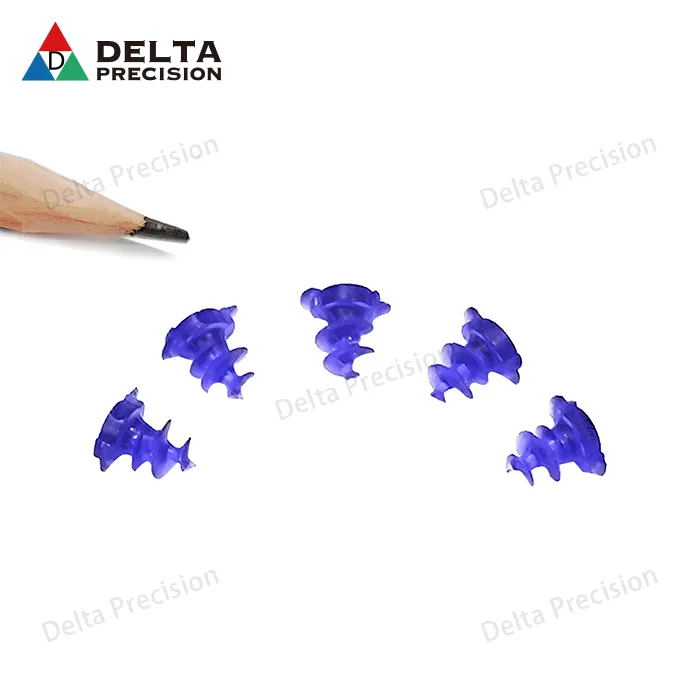
In industrial settings, gray plastic parts are often used for machinery components, control panels, and enclosures. The color provides a subdued and professional look that is suitable for a work environment. Gray is also less likely to show dirt and scratches compared to white, making it a practical choice for parts that are subject to wear and tear.
In consumer products, gray can be used to create a contemporary and minimalist look. For example, gray plastic casings for smartwatches or fitness trackers can give the device a sleek and understated appearance that appeals to a wide range of consumers.
Transparent and Translucent: Function and Aesthetics
Transparent and translucent plastic parts are unique in that they offer both functional and aesthetic benefits. Transparent plastics, such as polycarbonate and acrylic, allow for visibility of internal components, which is useful in applications such as medical devices, optical instruments, and display cases.
In medical devices, transparent plastic parts can be used to monitor the flow of fluids or the operation of internal mechanisms. For example, a transparent plastic chamber in a blood analyzer allows technicians to visually inspect the sample and ensure accurate results.
Translucent plastics, on the other hand, provide a diffused light effect, which can be used for decorative purposes or to create a soft and inviting atmosphere. In lighting fixtures, translucent plastic diffusers can spread the light evenly, reducing glare and creating a more pleasant lighting experience.
The manufacturing process for transparent and translucent plastic parts, such as Small Part Injection Molding and Micro Injection Molding, requires high precision to ensure clarity and optical quality. Special additives may also be used to improve the scratch resistance and UV stability of the plastic.
Color Customization
In addition to the common colors mentioned above, many customers also require custom - colored small plastic parts to meet their specific design and branding needs. Color customization can be achieved through the use of colorants, which are added to the plastic resin during the manufacturing process.
There are two main types of colorants: pigments and dyes. Pigments are insoluble particles that are dispersed in the plastic, while dyes are soluble substances that dissolve in the plastic. Pigments are generally more stable and provide better color fastness, making them suitable for applications where long - term color retention is required.
When it comes to color matching, advanced color measurement and formulation techniques are used to ensure that the final product matches the customer's specifications exactly. This involves using spectrophotometers to measure the color of the sample and then adjusting the colorant formulation accordingly.
Conclusion
The choice of color for small plastic parts is a critical decision that can impact both the functionality and aesthetics of the final product. Whether it's the classic black, the clean white, the neutral gray, or a custom - colored option, each color has its own unique advantages and applications.
As a supplier of small plastic parts, I understand the importance of providing high - quality products in a wide range of colors. We use state - of - the - art manufacturing processes and color matching techniques to ensure that our customers receive the exact color they need for their projects.
If you're in the market for small plastic parts and have specific color requirements, I encourage you to reach out to us for a consultation. We can work with you to understand your needs and provide the best solutions for your application.
References
- "Plastics Colorants: Types, Properties, and Applications" by John Doe, published in the Journal of Plastic Technology.
- "Color Management in Plastic Manufacturing" by Jane Smith, available in the Proceedings of the International Plastic Conference.