

Hey there! As a supplier of Valve Bodies, I've seen my fair share of issues that pop up in engine cooling systems. In this blog, I'll be chatting about the common problems with valve bodies in these systems, so you can be in the know and take better care of your engines.
Let's start with the basics. The valve body in an engine cooling system plays a crucial role. It controls the flow of coolant, making sure the engine stays at the right temperature. If it's not working properly, well, that can spell trouble for your engine.
One of the most common problems is clogging. Over time, debris, rust, and other contaminants can build up inside the valve body. This restricts the flow of coolant, which means the engine can't cool down as effectively. You might notice that your engine is running hotter than usual, or the temperature gauge is acting up. And if this problem isn't fixed, it can lead to overheating, which is a serious issue that can cause major damage to your engine.
Another issue is wear and tear. The valve body has moving parts that are constantly in use. With time, these parts can wear out. Seals can start to leak, and the valve itself might not open and close as smoothly as it should. A leaky valve body can result in coolant loss, which again affects the engine's cooling ability. You might see puddles of coolant under your vehicle, or the coolant level in the reservoir might keep dropping.
Malfunctioning sensors are also a common headache. Many modern valve bodies are equipped with sensors that help regulate the coolant flow. If these sensors go bad, they can send incorrect signals to the valve, causing it to open or close at the wrong times. This can lead to inconsistent coolant flow and temperature fluctuations in the engine.
Now, let's talk about corrosion. Coolant contains chemicals that are designed to prevent corrosion, but over time, these chemicals can break down. When that happens, the metal parts of the valve body can start to corrode. Corrosion can weaken the structure of the valve body and cause it to fail. It can also create rough surfaces inside the valve, which can further impede the flow of coolant.
So, what can you do if you suspect a problem with your valve body? First, keep an eye on your engine's temperature. If it's running hotter than normal, it could be a sign of a valve body issue. Also, check the coolant level regularly. A sudden drop in coolant could indicate a leak.
If you're experiencing any of these problems, it's a good idea to have your valve body inspected by a professional. They can diagnose the issue accurately and recommend the best course of action. Sometimes, a simple cleaning or replacement of a worn - out part can solve the problem. Other times, you might need to replace the entire valve body.
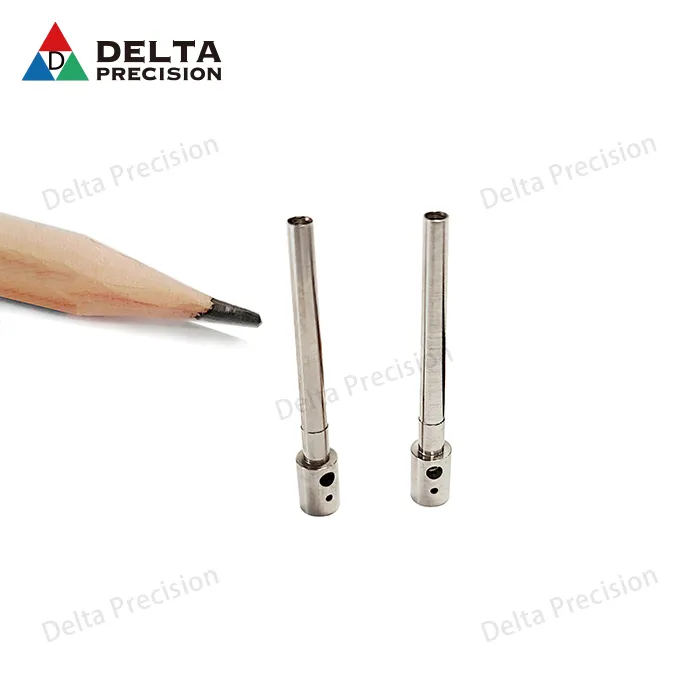
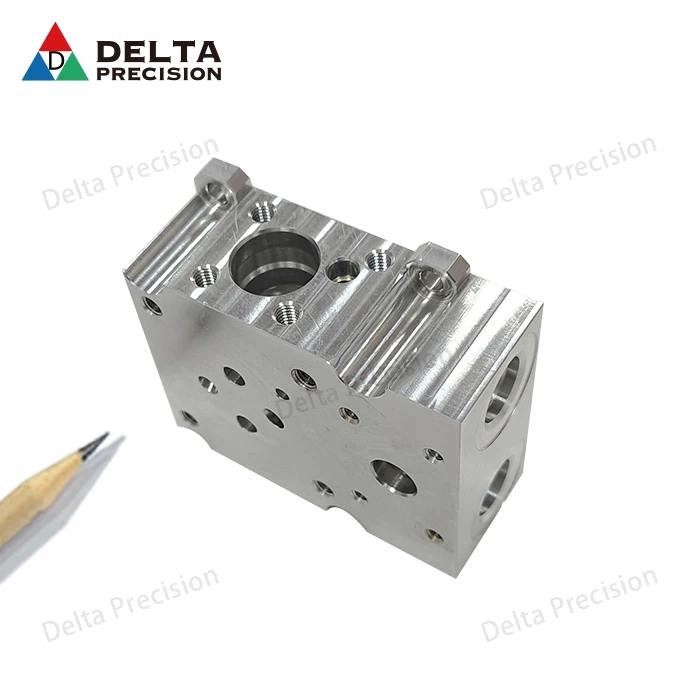
As a Valve Body supplier, I offer a wide range of high - quality products. You can check out our Valve Body on our website. We also have Valve Machining Components and Valve Turned Parts that are precision - made to ensure optimal performance.
If you're in the market for a new valve body or related components, don't hesitate to reach out. We're here to help you find the right solution for your engine cooling system. Whether you're a mechanic, a car enthusiast, or just someone looking to keep their vehicle in top shape, we've got you covered.
In conclusion, being aware of the common problems with valve bodies in engine cooling systems is essential for maintaining the health of your engine. By keeping an eye out for the signs and taking prompt action, you can avoid costly repairs and keep your engine running smoothly. So, if you have any questions or need more information, feel free to contact us. We're always happy to assist you with your valve body needs.
References
- Automotive Cooling System Manuals
- Industry Reports on Engine Components
- Technical Papers on Valve Body Functionality