

The steering system in vehicles is a complex and crucial component that ensures safe and efficient driving. At the heart of this system lies the valve body, a critical part that controls the flow of hydraulic fluid to assist in steering. As a leading Valve Body supplier, I've witnessed firsthand the common problems that can plague these essential components. In this blog, I'll delve into the most prevalent issues with valve bodies in steering systems, their causes, and potential solutions.
Contamination
One of the most common problems with valve bodies in steering systems is contamination. Contaminants such as dirt, debris, and metal particles can find their way into the hydraulic fluid, which then circulates through the valve body. Over time, these contaminants can cause wear and tear on the internal components of the valve body, leading to reduced performance and potential failure.
Causes of Contamination
- Poor Fluid Quality: Using low - quality hydraulic fluid or failing to change the fluid at recommended intervals can increase the risk of contamination. Old fluid can break down and form sludge, which can clog the valve body.
- External Sources: Dirt and debris can enter the steering system through damaged seals or improper maintenance. For example, if the steering system is exposed to a dusty environment and the seals are not in good condition, contaminants can easily enter.
Solutions
- Regular Fluid Changes: Follow the manufacturer's recommendations for fluid changes. This helps to keep the hydraulic fluid clean and reduces the risk of contamination.
- Use High - Quality Filters: Install high - quality filters in the steering system to trap contaminants before they reach the valve body.
Wear and Tear
The valve body in a steering system is subject to constant movement and pressure. Over time, this can lead to wear and tear on its components, such as the spools and sleeves. Wear can cause leaks, reduced flow control, and ultimately, steering problems.
Causes of Wear and Tear
- High - Mileage Vehicles: Vehicles with high mileage are more likely to experience wear and tear on the valve body. The constant operation of the steering system over long distances can take a toll on its components.
- Harsh Driving Conditions: Aggressive driving, frequent turning at high speeds, and driving on rough roads can increase the stress on the valve body, accelerating wear.
Solutions
- Inspection and Maintenance: Regularly inspect the valve body for signs of wear. If wear is detected early, it may be possible to replace individual components rather than the entire valve body.
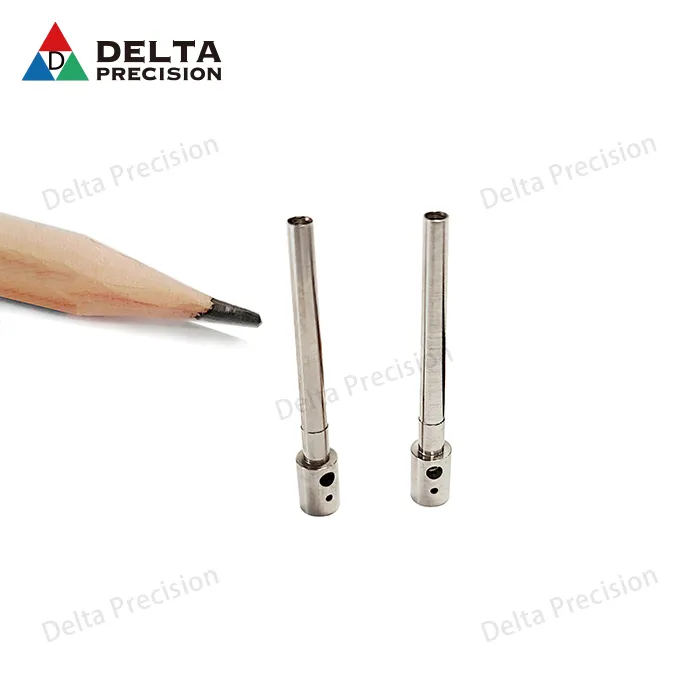
- Upgrade to High - Quality Components: Consider using high - quality Valve Machining Components Valve Machining Components or Valve Turned Parts Valve Turned Parts that are designed to be more durable.
Leaks
Hydraulic leaks are another common problem with valve bodies in steering systems. Leaks can occur due to damaged seals, cracks in the valve body, or loose connections. A leak can lead to a loss of hydraulic pressure, making steering more difficult and potentially dangerous.
Causes of Leaks

- Seal Failure: Seals in the valve body can deteriorate over time due to age, heat, and chemical exposure. When seals fail, hydraulic fluid can leak out.
- Cracks in the Valve Body: Physical damage, such as impacts or excessive stress, can cause cracks in the valve body. These cracks provide a pathway for fluid to leak.
Solutions
- Replace Seals: If a leak is caused by a damaged seal, replacing the seal is usually a straightforward solution.
- Repair or Replace the Valve Body: In the case of a cracked valve body, it may be necessary to repair the crack or replace the entire valve body. As a Valve Body supplier Valve Body, we offer high - quality replacement valve bodies.
Incorrect Valve Calibration
The valve body in a steering system needs to be precisely calibrated to ensure proper flow control and steering assistance. Incorrect calibration can lead to issues such as over - or under - steering, making the vehicle difficult to handle.
Causes of Incorrect Calibration
- Improper Installation: If the valve body is not installed correctly, it may not be calibrated properly. This can happen if the installation is done by an inexperienced technician.
- Component Wear: As components in the valve body wear, the calibration can be affected. For example, wear on the spools can change the flow characteristics of the valve body.
Solutions
- Professional Installation: Always have the valve body installed by a qualified technician who has experience with steering systems.
- Re - Calibration: If incorrect calibration is detected, have the valve body re - calibrated by a professional.
Electrical Issues (in Electric Power Steering Systems)
In modern vehicles, many steering systems are electric power steering (EPS) systems, which rely on electrical components in the valve body. Electrical issues can cause problems such as loss of power assistance or erratic steering behavior.
Causes of Electrical Issues
- Faulty Sensors: Sensors in the valve body are responsible for detecting steering input and sending signals to the control unit. If a sensor fails, it can disrupt the normal operation of the steering system.
- Wiring Problems: Damaged or loose wiring can prevent the proper transmission of electrical signals, leading to steering problems.
Solutions
- Diagnose and Replace Faulty Sensors: Use diagnostic equipment to identify faulty sensors and replace them as needed.
- Inspect and Repair Wiring: Check the wiring for damage or loose connections. Repair or replace any damaged wiring.
Conclusion
As a Valve Body supplier, I understand the importance of a properly functioning valve body in a steering system. The common problems discussed in this blog, such as contamination, wear and tear, leaks, incorrect calibration, and electrical issues, can significantly affect the performance and safety of a vehicle. By being aware of these problems and taking proactive measures to prevent and address them, vehicle owners can ensure the longevity and reliability of their steering systems.
If you're experiencing issues with your steering system or are in need of high - quality valve bodies, Valve Machining Components, or Valve Turned Parts, don't hesitate to reach out. We're here to provide you with the best solutions for your steering system needs. Contact us to start a procurement discussion and find the right components for your vehicles.
References
- Automotive Steering System Handbook, various authors
- Technical manuals from leading vehicle manufacturers