

As a supplier of small plastic parts, I've witnessed firsthand the critical role that holding pressure plays in the injection molding process. Holding pressure is the force applied to the molten plastic in the mold cavity after the initial injection phase. This pressure helps to pack the plastic into the mold, ensuring that all features are fully formed and the part maintains its shape and dimensions as it cools. In this blog post, I'll explore the effects of different holding pressures on small plastic parts, drawing on my experience in the industry and the latest research in injection molding technology.
Understanding Holding Pressure
Before delving into the effects of different holding pressures, it's important to understand how holding pressure works. During the injection molding process, molten plastic is injected into the mold cavity under high pressure. Once the cavity is filled, the injection unit switches to a holding pressure phase. This phase is crucial because it compensates for the shrinkage that occurs as the plastic cools and solidifies. By applying a consistent pressure, the holding pressure helps to maintain the shape and dimensions of the part, preventing defects such as sink marks, voids, and warping.
The amount of holding pressure required depends on several factors, including the type of plastic, the part geometry, and the mold design. For small plastic parts, the holding pressure can have a significant impact on the part quality and performance. Let's take a closer look at the effects of different holding pressures on small plastic parts.
Low Holding Pressure
When the holding pressure is too low, the plastic may not be fully packed into the mold cavity. This can result in several defects, including:
- Sink Marks: Sink marks are depressions on the surface of the part that occur when the plastic shrinks as it cools. Low holding pressure can cause the plastic to shrink unevenly, resulting in visible sink marks on the surface of the part.
- Voids: Voids are empty spaces or bubbles inside the part. When the holding pressure is insufficient, the plastic may not be able to fill all the cavities in the mold, leaving behind voids. These voids can weaken the part and affect its performance.
- Short Shots: Short shots occur when the plastic does not completely fill the mold cavity. This can happen when the holding pressure is too low to push the plastic into all the corners and features of the mold. Short shots can result in incomplete parts that are unusable.
- Warping: Warping is the distortion of the part as it cools. Low holding pressure can cause the plastic to cool unevenly, leading to internal stresses that can cause the part to warp. Warped parts may not fit properly or function as intended.
In addition to these defects, low holding pressure can also affect the mechanical properties of the part. The part may be weaker and more brittle, making it more prone to cracking and breaking. This can be a serious issue for small plastic parts that are used in applications where strength and durability are critical.
High Holding Pressure
On the other hand, when the holding pressure is too high, it can also cause problems. High holding pressure can lead to:
- Flash: Flash is excess plastic that squeezes out of the mold cavity along the parting line or other gaps in the mold. High holding pressure can force the plastic to flow into these gaps, resulting in flash. Flash can be difficult to remove and can affect the appearance and functionality of the part.
- Overpacking: Overpacking occurs when too much plastic is forced into the mold cavity. This can cause the part to be over - stressed and can lead to internal cracking or delamination. Overpacked parts may also have a higher density, which can affect their weight and performance.
- Mold Wear: High holding pressure can put additional stress on the mold, causing it to wear out more quickly. This can increase the cost of production and reduce the lifespan of the mold.
- Longer Cycle Times: Applying high holding pressure requires more time, which can increase the cycle time of the injection molding process. Longer cycle times mean lower production rates and higher costs.
Optimal Holding Pressure
Finding the optimal holding pressure is crucial for producing high - quality small plastic parts. The optimal holding pressure is the pressure that ensures the plastic is fully packed into the mold cavity without causing any of the defects associated with low or high holding pressure.
To determine the optimal holding pressure, several factors need to be considered:
- Plastic Material: Different plastics have different shrinkage rates and flow properties. For example, amorphous plastics such as polystyrene and polycarbonate generally require lower holding pressures compared to semi - crystalline plastics such as polyethylene and polypropylene, which have higher shrinkage rates.
- Part Geometry: The shape and size of the part can also affect the optimal holding pressure. Parts with thin walls or complex geometries may require higher holding pressures to ensure that the plastic fills all the features of the mold.
- Mold Design: The design of the mold, including the gate size, runner system, and venting, can influence the holding pressure required. A well - designed mold can help to distribute the plastic evenly and reduce the need for high holding pressures.
In practice, the optimal holding pressure is often determined through a process of trial and error. By adjusting the holding pressure and observing the quality of the parts produced, the ideal pressure can be found. Computer - aided engineering (CAE) software can also be used to simulate the injection molding process and predict the optimal holding pressure based on the part geometry, plastic material, and mold design.
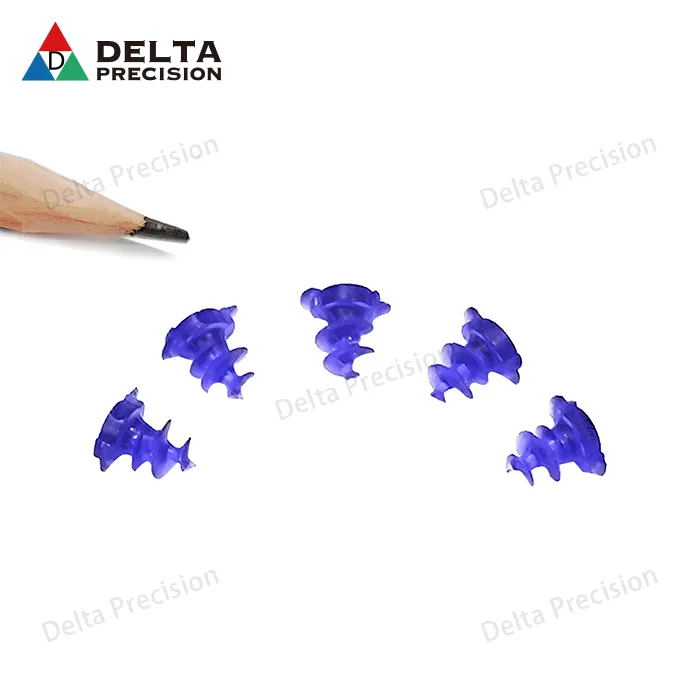

The Role of Holding Pressure in Small Part Injection Molding and Micro Injection Molding
Small part injection molding and Micro Injection Molding present unique challenges when it comes to holding pressure. In small part injection molding, the parts are typically smaller in size, which means that the holding pressure needs to be carefully controlled to ensure that the plastic fills all the features of the mold without causing flash or other defects. Small Part Injection Molding often requires high precision and tight tolerances, making the choice of holding pressure even more critical.
Micro injection molding, on the other hand, involves the production of extremely small parts with dimensions in the micrometer range. In micro injection molding, the holding pressure needs to be optimized to ensure that the plastic can flow into the tiny cavities of the mold. The small size of the parts also means that the effects of holding pressure on the part quality are magnified. Even a small variation in holding pressure can have a significant impact on the part's shape, dimensions, and mechanical properties.
Conclusion
In conclusion, holding pressure is a critical parameter in the injection molding of small plastic parts. The right holding pressure can ensure that the parts are of high quality, with good dimensional accuracy, mechanical properties, and appearance. By understanding the effects of different holding pressures and taking into account the factors that influence the optimal holding pressure, manufacturers can produce small plastic parts that meet the strict requirements of their customers.
If you're in the market for high - quality small plastic parts, I invite you to reach out to us. Our team of experts has extensive experience in injection molding and can help you find the optimal holding pressure for your specific application. We are committed to providing our customers with the best possible products and services. Contact us today to start a conversation about your small plastic part needs.
References
- Beaumont, J. P. (2007). Injection Molding Troubleshooting Handbook. Hanser Gardner Publications.
- Rosato, D. V., & Rosato, D. V. (2000). Injection Molding Handbook. Kluwer Academic Publishers.
- Throne, J. L. (1996). Thermoplastics Molding: Theory and Practice. Marcel Dekker.