

As a supplier of small plastic parts, I've witnessed firsthand how different processing temperatures can have a profound impact on the final product. In the world of plastic manufacturing, temperature control is not just a technical detail; it's a critical factor that can make or break the quality, performance, and cost - effectiveness of small plastic parts.
The Basics of Plastic Processing Temperatures
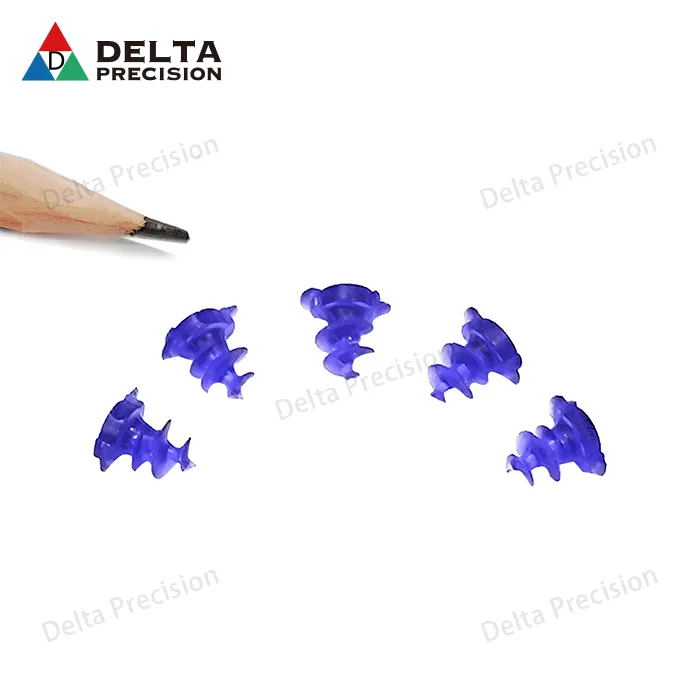
Plastic processing involves transforming raw plastic materials into finished products. For small plastic parts, two common methods are Micro Injection Molding and Small Part Injection Molding. In both processes, temperature plays a central role.
When we talk about processing temperatures, we're referring to the temperature at which the plastic resin is melted, the temperature of the mold, and the temperature during the cooling phase. Each of these temperatures affects the plastic in different ways.
Effects on Material Properties
Molecular Structure
Plastic is made up of long - chain molecules. When heated to the right processing temperature, these molecules become more mobile. At lower temperatures, the plastic may not melt completely, leaving unmelted particles in the part. This can lead to weak spots and inconsistent mechanical properties. For example, a small plastic gear with unmelted particles may break under stress more easily than a well - formed one.
On the other hand, if the temperature is too high, the long - chain molecules can break down. This degradation changes the chemical composition of the plastic, reducing its strength, toughness, and resistance to environmental factors. A small plastic enclosure that has experienced molecular degradation may crack or become brittle over time.

Shrinkage
Shrinkage is a natural phenomenon in plastic processing. As the plastic cools from its molten state, it contracts. The processing temperature has a direct impact on the amount of shrinkage. Higher processing temperatures generally result in more significant shrinkage because the plastic is in a more expanded state when it starts to cool.
For small plastic parts, even a small amount of shrinkage can be a problem. If the shrinkage is not uniform, the part may warp or become misshapen. This is especially critical for parts that require precise dimensions, such as those used in medical devices or electronics. A small connector that warps due to uneven shrinkage may not fit properly into its socket, causing connectivity issues.
Impact on Part Appearance
Surface Finish
The processing temperature can greatly affect the surface finish of small plastic parts. At the right temperature, the plastic flows smoothly into the mold cavity, creating a smooth and glossy surface. However, if the temperature is too low, the plastic may not flow well, resulting in a rough or pitted surface. This can be a major issue for parts where aesthetics are important, such as consumer products or decorative items.
Conversely, excessive temperature can cause the plastic to foam or bubble on the surface. This is because the high temperature can cause volatile substances in the plastic to vaporize. A small plastic button with a foamy surface is not only unappealing but may also have a lower perceived quality.
Color
Color is another aspect of part appearance that can be influenced by processing temperature. Some plastic pigments are sensitive to heat. If the processing temperature is too high, the pigments may degrade, causing the color of the part to change. This is a significant problem for products that require color consistency, such as toys or automotive interior parts. A small plastic toy that changes color during processing may not meet the customer's expectations.
Influence on Production Efficiency
Cycle Time
Cycle time is a crucial factor in production efficiency. The processing temperature affects how quickly the plastic can be injected into the mold, how fast it cools, and how soon the part can be ejected. Higher processing temperatures generally allow for faster injection because the plastic has lower viscosity. However, they also require more time for cooling to ensure proper solidification.
If the temperature is too low, the injection process may be slow due to the high viscosity of the plastic. This can increase the overall cycle time, reducing the number of parts that can be produced per hour. Finding the optimal processing temperature is a balance between fast injection and reasonable cooling time.
Mold Wear
The processing temperature can also impact the wear and tear on the mold. High temperatures can cause the mold to expand, which may lead to dimensional changes over time. Additionally, the chemical reactions that occur at high temperatures can corrode the mold surface. This can increase the frequency of mold maintenance and replacement, adding to the production cost.
Case Studies
Let's look at a few real - world examples to illustrate the effects of different processing temperatures.
Case 1: Medical Micro - Parts
In the production of medical micro - parts, precision is of the utmost importance. A company was producing small plastic valves for a medical device using Micro Injection Molding. Initially, they set the processing temperature too low. The valves had rough surfaces and inconsistent dimensions, which affected their functionality. After increasing the temperature to the optimal range, the parts had a smooth surface finish and met the required dimensional tolerances. This not only improved the quality of the product but also reduced the number of rejected parts, increasing production efficiency.
Case 2: Consumer Electronics
A manufacturer of small plastic connectors for consumer electronics was experiencing high rates of warping in their parts. After analyzing the process, they found that the processing temperature was too high. The excessive temperature led to uneven shrinkage, causing the connectors to warp. By reducing the temperature and adjusting the cooling process, they were able to produce connectors with consistent dimensions and a high - quality appearance.
Importance of Temperature Monitoring and Control
Given the significant effects of processing temperature on small plastic parts, it's clear that accurate temperature monitoring and control are essential. Modern injection molding machines are equipped with advanced temperature sensors and control systems. These systems can precisely measure and adjust the temperature of the plastic resin, the mold, and the cooling medium.
Regular calibration of the temperature sensors is also necessary to ensure accurate readings. Additionally, operators should be trained to recognize the signs of temperature - related issues, such as poor part quality or abnormal production behavior.
Conclusion
In conclusion, different processing temperatures have far - reaching effects on small plastic parts. They influence the material properties, part appearance, production efficiency, and overall quality of the final product. As a supplier of small plastic parts, it's our responsibility to understand these effects and optimize the processing temperature for each specific application.
If you're in the market for high - quality small plastic parts, we're here to help. Our team of experts has extensive experience in Small Part Injection Molding and Micro Injection Molding. We can work with you to determine the optimal processing temperature for your parts, ensuring that they meet your exact requirements in terms of quality, appearance, and functionality. Contact us for a consultation and let's start a partnership that will bring your small plastic part projects to life.
References
- "Plastics Processing Technology" by X. X. Wang
- "Injection Molding Handbook" by O. Olabisi
- "Polymer Science and Engineering" by F. W. Billmeyer