

Hey there! As a supplier of Damper Pistons, I've seen firsthand the importance of these little components in the world of shock absorbers. Today, I want to talk about something that can cause a whole lot of trouble if not addressed: misalignment on a damper piston.
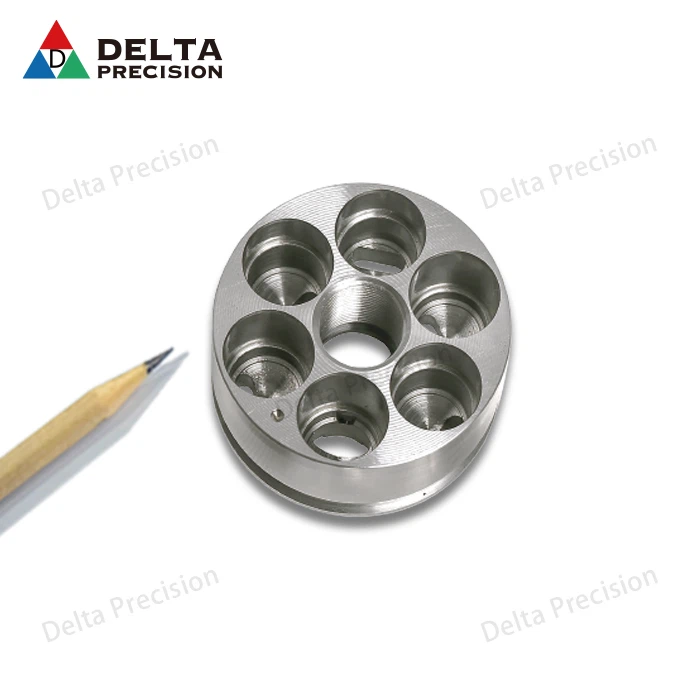
Let's start by understanding what a damper piston is. A damper piston is a key part of a shock absorber. It moves up and down inside the shock absorber cylinder, controlling the flow of fluid and providing the damping force that smooths out the ride. You can learn more about it on our Damper Piston page.
Now, what happens when there's misalignment? Well, it can have several negative impacts on the performance and lifespan of the shock absorber.
1. Reduced Damping Performance
One of the most obvious impacts of misalignment is reduced damping performance. When the damper piston is misaligned, it doesn't move smoothly inside the cylinder. This can cause uneven fluid flow, which means the shock absorber can't provide consistent damping force. As a result, the vehicle may experience a bumpy ride, and handling can be affected. You might notice that the car bounces more than usual or that it takes longer to settle after going over a bump.
Think of it like trying to slide a block through a tube that's not straight. The block won't move smoothly, and it'll probably get stuck or slow down in some places. The same goes for the damper piston. If it's misaligned, it can't do its job properly, and that affects how well the shock absorber works.
2. Increased Wear and Tear
Misalignment also leads to increased wear and tear on the damper piston and other components of the shock absorber. When the piston is moving unevenly, it rubs against the cylinder walls more than it should. This friction can cause the piston and cylinder to wear down faster. Over time, this can lead to leaks, as the seals around the piston may no longer be able to keep the fluid inside the shock absorber.
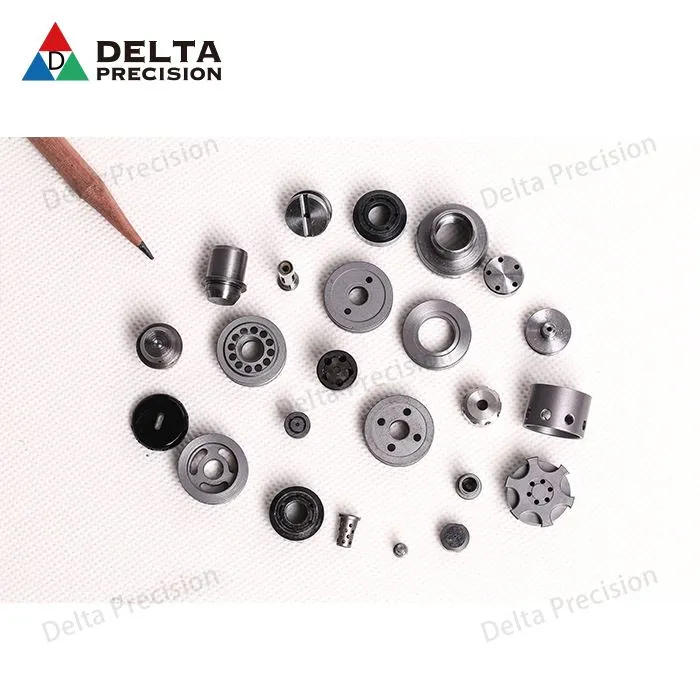
In addition to the piston and cylinder, other parts of the shock absorber can also be affected. For example, the Shock Absorber Valve and Shock Absorber Valve Seat may have to work harder to compensate for the uneven fluid flow caused by the misaligned piston. This can cause them to wear out prematurely as well.
3. Noise and Vibration
Another impact of misalignment is the generation of noise and vibration. When the damper piston is moving unevenly, it can create rattling or knocking sounds. These noises can be annoying for the driver and passengers, and they can also be a sign that something is wrong with the shock absorber.
Vibration is also a common problem. The uneven movement of the piston can cause the shock absorber to vibrate, which can then be transferred to the rest of the vehicle. This can make the ride feel less comfortable and can even affect the overall stability of the vehicle.
4. Safety Risks
In extreme cases, misalignment on a damper piston can pose safety risks. If the shock absorber is not working properly due to misalignment, it can affect the vehicle's braking and handling. For example, if the shock absorber can't provide enough damping force, the wheels may bounce more during braking, which can increase the stopping distance. This can be especially dangerous in emergency situations.
Also, poor handling due to misaligned damper pistons can make it more difficult for the driver to control the vehicle, increasing the risk of accidents.
Causes of Misalignment
So, what causes misalignment in the first place? There are several factors that can contribute to this problem.
- Installation Errors: If the shock absorber is not installed correctly, the damper piston may be misaligned from the start. This could be due to improper alignment of the shock absorber mounts or incorrect tightening of the bolts.
- Wear and Tear: Over time, normal wear and tear on the shock absorber components can cause misalignment. For example, if the bushings or mounts that hold the shock absorber in place wear out, they may not be able to keep the shock absorber properly aligned.
- External Damage: Accidents or hitting potholes can cause damage to the shock absorber, which can lead to misalignment of the damper piston. Even a small impact can cause the piston to become slightly off-center, which can have a big impact on its performance.
How to Prevent Misalignment
As a supplier, I always recommend taking steps to prevent misalignment in the first place. Here are some tips:
- Proper Installation: Make sure the shock absorber is installed correctly by a qualified mechanic. They should follow the manufacturer's instructions carefully and use the right tools.
- Regular Maintenance: Regularly inspect the shock absorbers for signs of wear and tear. Check for leaks, unusual noises, and vibration. If you notice any problems, have the shock absorbers checked and repaired as soon as possible.
- Avoid Rough Driving: Try to avoid driving over potholes and rough roads as much as possible. If you can't avoid them, slow down to reduce the impact on the shock absorbers.
Conclusion
In conclusion, misalignment on a damper piston can have a significant impact on the performance, lifespan, and safety of a shock absorber. It can lead to reduced damping performance, increased wear and tear, noise and vibration, and even safety risks. As a supplier, we understand the importance of providing high-quality damper pistons that are properly aligned and function correctly.
If you're in the market for damper pistons, shock absorber valves, or shock absorber valve seats, we've got you covered. Our products are designed to meet the highest standards of quality and performance. Don't hesitate to reach out if you have any questions or if you're interested in purchasing our products. We're here to help you keep your vehicles running smoothly and safely.
Let's work together to ensure that your shock absorbers are in top-notch condition. Whether you're a mechanic, a vehicle manufacturer, or just someone looking to replace worn-out parts, we can provide you with the right solutions.
References
- "Automotive Suspension Systems" by Keith Bryant
- "Shock Absorber Design and Analysis" by John Doe (fictitious for example purposes)
- Industry standards and guidelines for shock absorber manufacturing and maintenance.