

Yo, what's up everyone! As a supplier of Valve Turned Parts, I'm super stoked to chat with you about the latest technological advancements in this field. Valve turned parts are crucial components in a wide range of industries, from automotive to aerospace, and the tech behind them is evolving at a breakneck pace.
Let's kick things off with the use of advanced materials. In the past, we mainly used traditional metals like steel and aluminum for valve turned parts. But now, there's a growing trend towards using high - performance materials such as titanium alloys and ceramics. Titanium alloys are known for their excellent strength - to - weight ratio. They're lighter than steel but can still withstand high pressures and temperatures. This makes them ideal for applications in the aerospace industry, where every ounce of weight matters. Ceramics, on the other hand, offer outstanding wear resistance and chemical stability. They can be used in harsh environments where corrosion and abrasion are major concerns. For example, in chemical processing plants, ceramic valve turned parts can last much longer than their metal counterparts. You can check out more about these materials in the context of Valve Machining Components.
Another big advancement is in the realm of precision machining. Thanks to the development of computer - numerical - control (CNC) technology, we can now achieve extremely high levels of accuracy when manufacturing valve turned parts. CNC machines are programmed to perform complex operations with minimal human intervention. They can produce parts with tolerances as small as a few micrometers. This level of precision is essential for ensuring the proper functioning of valves. A slight deviation in the dimensions of a valve turned part can lead to leaks, reduced efficiency, or even complete failure of the valve system. And with the latest multi - axis CNC machines, we can create parts with more intricate shapes and features than ever before. You can learn more about the manufacturing process of Valve Turned Parts.
Surface treatment technologies have also come a long way. In the past, basic treatments like painting or plating were used to protect valve turned parts from corrosion. But now, there are more advanced options available. One such option is physical vapor deposition (PVD). PVD coatings are extremely thin but offer excellent hardness, wear resistance, and corrosion protection. They can be applied to a variety of materials and can significantly extend the lifespan of valve turned parts. Another emerging technology is laser surface texturing. This process involves using a laser to create micro - patterns on the surface of the part. These patterns can improve lubrication, reduce friction, and enhance the sealing performance of the valve.
The integration of smart technology is another exciting development. With the rise of the Internet of Things (IoT), valve turned parts can now be equipped with sensors and connectivity features. These sensors can monitor various parameters such as temperature, pressure, and flow rate in real - time. The data collected by these sensors can be transmitted to a central control system, where it can be analyzed to detect potential problems early. For example, if a sensor detects a sudden increase in pressure in a valve system, it could indicate a blockage or a malfunction. By identifying these issues early, maintenance can be scheduled proactively, reducing downtime and costs. This kind of smart valve system is becoming more and more popular in industries where reliability and efficiency are top priorities.
When it comes to the design of valve turned parts, there's a shift towards more modular and customizable designs. Instead of having a one - size - fits - all approach, manufacturers are now offering parts that can be easily customized to meet the specific needs of different applications. This modular design allows for greater flexibility and faster installation. For example, a valve body can be designed with interchangeable components, so that if one part fails, it can be easily replaced without having to replace the entire valve. You can find more details about customizable Valve Body.
In terms of quality control, new technologies are making the process more efficient and accurate. Non - destructive testing methods such as ultrasonic testing and X - ray inspection are being used to detect internal defects in valve turned parts without damaging them. These methods can identify flaws that might not be visible to the naked eye, ensuring that only high - quality parts are delivered to customers.
So, as you can see, the world of valve turned parts is constantly evolving. These technological advancements are not only improving the performance and reliability of valve systems but also opening up new possibilities for various industries. Whether you're in the automotive, aerospace, or any other industry that relies on valves, staying up - to - date with these advancements is crucial.
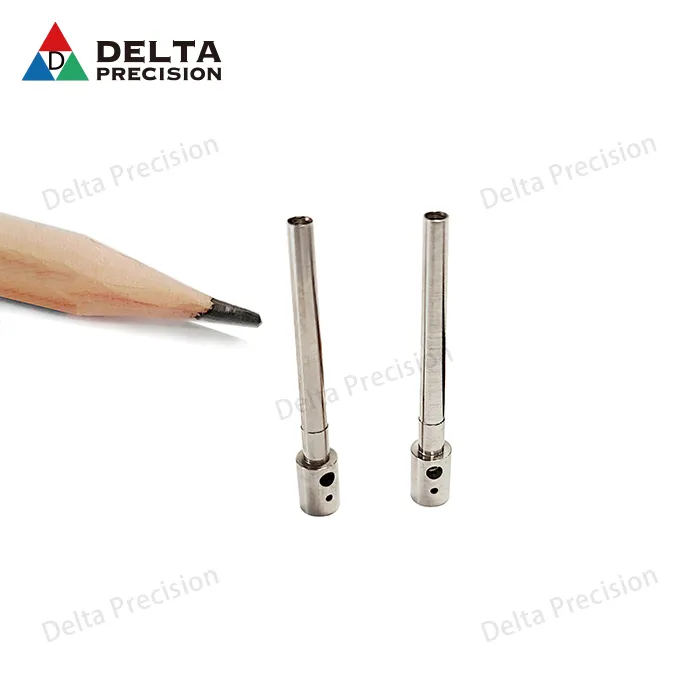
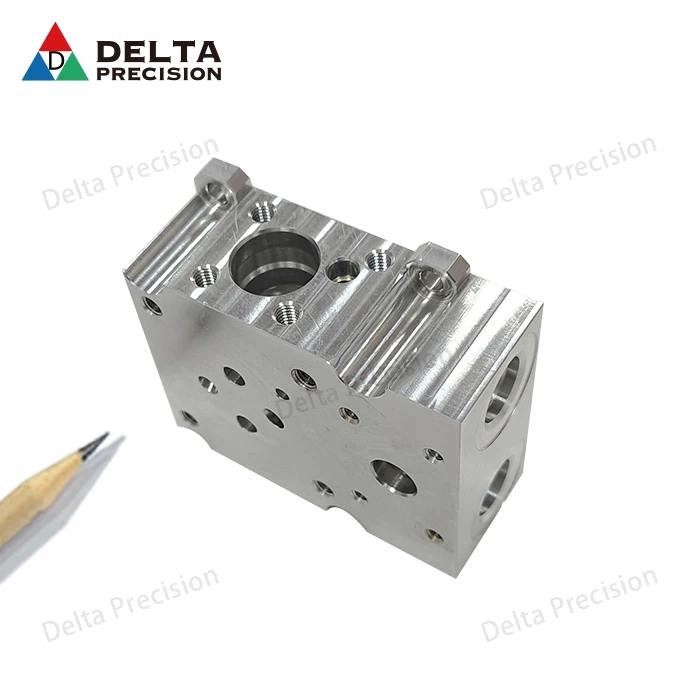
If you're in the market for high - quality valve turned parts, I'd love to have a chat with you. We, as a supplier, are committed to using the latest technologies to produce top - notch products that meet your specific requirements. Whether you need a small batch of customized parts or a large - scale production run, we've got you covered. Don't hesitate to reach out for a quote or to discuss your project in more detail.
References:
- "Advanced Materials for Valve Components" - Journal of Materials Science
- "Precision Machining in the Valve Industry" - Manufacturing Technology Review
- "Smart Valve Systems and the Internet of Things" - Industrial Automation Journal