

Hey there! As a supplier of servo valve parts, I've been in the thick of it, dealing with all sorts of these components on a daily basis. Servo valves are super important in many industries, like aerospace, robotics, and industrial automation. They help control the flow and pressure of fluids with high precision. But, just like anything else, they ain't perfect. There are some limitations to servo valve parts that we need to talk about.
1. Sensitivity to Contamination
One of the biggest headaches with servo valve parts is their sensitivity to contamination. These valves are designed to work with extremely tight tolerances. Even the tiniest particle of dirt, metal shavings, or debris can mess things up big time. For example, a small piece of grit can get stuck between the valve spool and its housing. This can cause the spool to stick or not move smoothly, which directly affects the valve's performance.
Contamination can also lead to wear and tear on the valve parts. The particles act like sandpaper, gradually eroding the surfaces of the valve. This not only shortens the lifespan of the parts but also reduces the accuracy of the valve over time. To mitigate this issue, a very effective filtration system is required. However, setting up and maintaining such a system can be costly and time - consuming. You can check out our Valve Machining Components which are made with high - quality materials to resist contamination to some extent.
2. High Cost
Servo valve parts are expensive, no two ways about it. The manufacturing process for these parts is highly precise and complex. They often require advanced machining techniques and high - quality materials to ensure accurate performance. For instance, the valve spool needs to be machined to very tight tolerances, sometimes within a few micrometers. This level of precision requires specialized equipment and skilled operators, which drives up the cost.
Moreover, the research and development costs associated with improving servo valve technology are also factored into the price. Companies invest a lot of money in developing new materials and designs to enhance the performance of these valves. As a supplier, we try our best to offer competitive prices, but the high cost is still a significant limitation for many customers, especially those on a tight budget.
3. Limited Flow Capacity
Another limitation is the relatively limited flow capacity of servo valve parts. Servo valves are designed for high - precision control, and this often comes at the expense of flow rate. They are typically optimized for applications where small to medium flow rates are required. If you need to control a large volume of fluid, servo valves might not be the best choice.
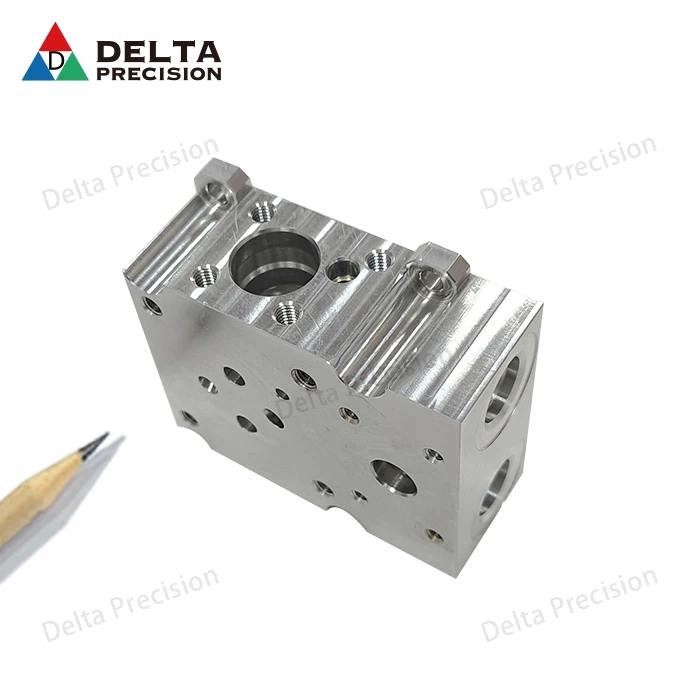
For example, in some large - scale industrial processes where high - flow hydraulic systems are needed, the servo valve's flow capacity can become a bottleneck. You may need to use multiple valves in parallel to achieve the desired flow rate, which adds to the complexity and cost of the system. Our Valve Body is designed to offer the best possible flow characteristics within its capacity, but the overall limitation still exists.
4. Temperature and Viscosity Sensitivity
Servo valve parts are sensitive to changes in temperature and fluid viscosity. Temperature variations can cause the materials in the valve to expand or contract, which can affect the clearances between the moving parts. For example, if the temperature rises, the valve spool may expand and fit more tightly in its housing, leading to increased friction and potential sticking.
Fluid viscosity also plays a crucial role. As the temperature changes, the viscosity of the hydraulic fluid can change significantly. A more viscous fluid can make it harder for the valve to operate smoothly, while a less viscous fluid may cause leakage. This means that in applications where the temperature can vary widely, additional measures need to be taken to ensure the proper functioning of the servo valve. This could include using temperature - compensated valves or heating/cooling systems for the fluid, which again adds to the complexity and cost of the system.
5. Complexity in Installation and Maintenance
Installing and maintaining servo valve parts is not a walk in the park. These valves are complex pieces of equipment that require a high level of technical expertise. The installation process needs to be carried out with great care to ensure that the valve is properly aligned and connected to the hydraulic system. Any mistakes during installation can lead to poor performance or even damage to the valve.
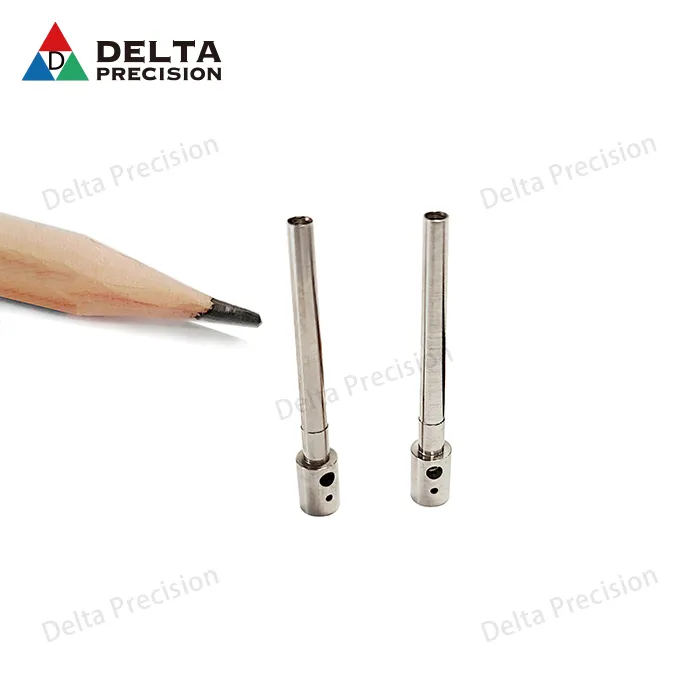
Maintenance is also a challenge. Servo valves need to be regularly inspected, cleaned, and calibrated to ensure their accuracy and reliability. This requires specialized tools and knowledge. For example, calibrating a servo valve to achieve the desired performance characteristics can be a time - consuming and delicate process. If you're not experienced in working with these valves, it's easy to make mistakes that can affect the entire hydraulic system. Our Valve Turned Parts are made to high standards, but the overall complexity of the system still remains a limitation.
6. Response Time Limitations
In some high - speed applications, the response time of servo valve parts can be a limitation. Although servo valves are generally known for their fast response compared to other types of valves, there are still situations where they may not be able to keep up. For example, in applications where rapid changes in flow or pressure are required, the mechanical and electrical components of the servo valve may not be able to respond quickly enough.
This can be a problem in industries such as high - speed robotics or aerospace applications where split - second decisions and actions are crucial. To overcome this limitation, more advanced valve designs and control algorithms are being developed, but these also come with their own set of challenges and costs.
Conclusion
So, there you have it - the main limitations of servo valve parts. Despite these drawbacks, servo valves are still widely used because of their high - precision control capabilities. As a supplier, we're constantly working on ways to minimize these limitations. We're investing in research and development to improve the design and manufacturing processes of our parts. We're also offering better support and training to our customers to help them deal with the challenges associated with these valves.
If you're in the market for servo valve parts and want to learn more about how we can help you overcome these limitations, don't hesitate to reach out. We're here to have a chat and see how we can work together to meet your specific needs. Whether you're looking for Valve Machining Components, Valve Body, or Valve Turned Parts, we've got you covered. Let's start a conversation and find the best solutions for your applications.
References
- "Hydraulic Control Systems" by G. F. Franklin, J. D. Powell, and A. Emami - Naeini.
- Industry reports on servo valve technology and applications.