

Hey there! I'm a supplier of Valve Turned Parts, and today I wanna chat about what the pulp and paper industry really needs when it comes to these parts.
First off, let's understand the pulp and paper industry a bit. It's a massive operation that involves a whole bunch of processes, from pulping wood chips to turning that pulp into paper products. And valves play a crucial role in controlling the flow of various substances like water, steam, chemicals, and pulp itself. So, the Valve Turned Parts used in this industry have gotta meet some pretty high - end requirements.
Material Requirements
One of the most important things is the material. The pulp and paper industry uses a lot of corrosive chemicals, like chlorine, caustic soda, and sulfuric acid. These chemicals can eat away at normal metals pretty quickly. So, for Valve Turned Parts, we need materials that can resist corrosion. Stainless steel is a popular choice. It's tough, durable, and can stand up to the harsh chemical environment. For example, 316L stainless steel has excellent corrosion resistance properties, making it suitable for valves that come into contact with acidic or alkaline solutions.
Another option is titanium. Titanium is super strong and highly resistant to corrosion, especially in chloride - containing environments. But it's also more expensive than stainless steel. So, depending on the specific application and budget, the industry might choose between these materials. For instance, in a bleaching process where there are high levels of chlorine, titanium Valve Turned Parts might be the best bet.
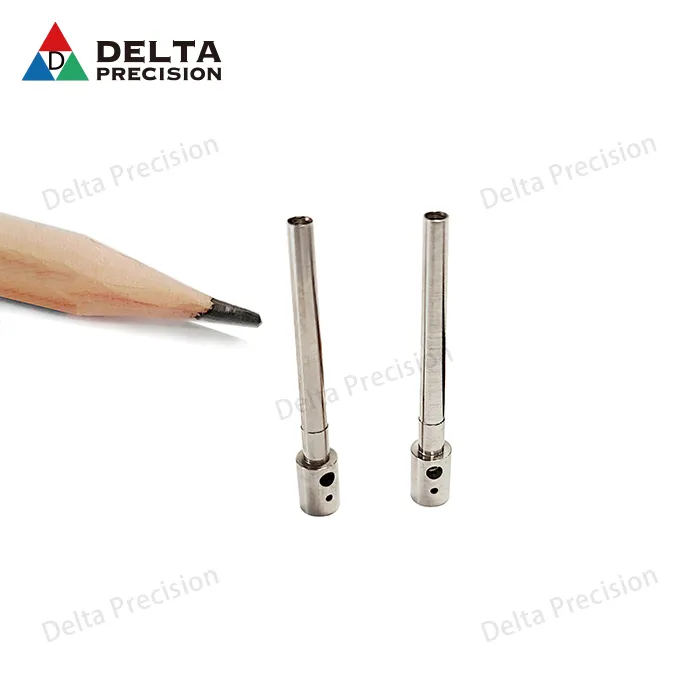

Precision and Tolerance
Precision is key in the pulp and paper industry. Valves need to open and close accurately to control the flow rate of liquids and gases. Even a small deviation in the dimensions of Valve Turned Parts can lead to problems. For example, if the valve seat isn't machined to the right precision, it might not seal properly, causing leaks. This can not only waste resources but also pose safety hazards.
The tolerance requirements for Valve Turned Parts in this industry are usually very tight. We're talking about tolerances in the range of a few thousandths of an inch. To achieve this level of precision, advanced machining techniques are used. Computer - numerical - control (CNC) machining, for example, allows for highly accurate and repeatable manufacturing of Valve Turned Parts. It can produce parts with consistent dimensions, which is crucial for the proper functioning of valves in the long run.
Surface Finish
The surface finish of Valve Turned Parts also matters a great deal. A smooth surface finish reduces friction, which is important for the smooth operation of valves. When valves open and close, less friction means less wear and tear on the parts, extending their lifespan.
In addition, a good surface finish can prevent the buildup of pulp and other substances on the valve surfaces. In the pulp and paper industry, pulp fibers can stick to rough surfaces, leading to blockages and reduced valve performance. So, Valve Turned Parts are often polished to a high - gloss finish. This not only makes it easier for the valve to operate but also helps in maintaining a clean and efficient system.
Flow Capacity and Pressure Rating
The pulp and paper industry operates at different pressures and flow rates depending on the process. Valves need to be able to handle these conditions without failing. The flow capacity of a valve is determined by its size and design. For large - scale pulp and paper mills, valves with high flow capacities are required to ensure a continuous supply of materials.
The pressure rating of Valve Turned Parts is also crucial. In processes like steam generation and pressurized pulp cooking, valves need to withstand high pressures. For example, if a valve is used in a steam line where the pressure can reach several hundred pounds per square inch (psi), the Valve Turned Parts must be designed and manufactured to handle that pressure. This might involve using thicker walls and stronger materials to prevent the valve from bursting under pressure.
Temperature Resistance
The pulp and paper industry has processes that operate at a wide range of temperatures. From the hot steam used in the drying process to the cold water used for cooling, valves need to be able to function properly in different temperature conditions.
Valve Turned Parts need to have good thermal stability. For example, in a high - temperature steam application, the material of the valve parts should not deform or lose its strength. On the other hand, in a cold - water cooling system, the parts should not become brittle and crack. Some materials, like certain grades of stainless steel, have good temperature resistance properties, allowing them to perform well in both hot and cold environments.
Compatibility with Pulp and Paper Processes
Valve Turned Parts need to be compatible with the specific processes in the pulp and paper industry. For example, in the pulping process, where wood chips are broken down into pulp, valves need to be able to handle the abrasive nature of the pulp. Hard - faced materials can be used for Valve Turned Parts in these applications to resist wear.
In the paper - making process, where the pulp is formed into paper sheets, valves need to be able to control the flow of water and other additives precisely. This requires valves with good throttling capabilities. You can check out more about different types of Valve Turned Parts suitable for these processes on our Valve Turned Parts page.
Maintenance and Durability
Maintenance is an important aspect in the pulp and paper industry. Valves are often in continuous operation, and any downtime can be costly for the mill. So, Valve Turned Parts need to be durable and easy to maintain.
Parts that are easy to disassemble and clean are preferred. For example, valves with modular designs allow for quick replacement of worn - out parts. This reduces the time and cost of maintenance. Also, using materials that are resistant to wear and corrosion helps in extending the lifespan of Valve Turned Parts, reducing the frequency of replacements.
Noise and Vibration
In a large - scale pulp and paper mill, noise and vibration can be a problem. Valves that operate with a lot of noise or cause excessive vibration can be a nuisance and also indicate potential problems. For example, a noisy valve might be due to improper seating or a damaged internal component.
Valve Turned Parts should be designed to minimize noise and vibration. This can be achieved through proper design and the use of damping materials. For instance, rubber gaskets can be used to absorb vibrations and reduce noise levels.
Cost - effectiveness
Last but not least, cost - effectiveness is a major consideration in the pulp and paper industry. While high - quality Valve Turned Parts are essential, the industry also needs to keep costs under control. This means finding a balance between the quality of the parts and their price.
As a supplier, we understand this need. We offer a range of Valve Turned Parts at competitive prices. Our Valve Machining Components are designed to meet the high - end requirements of the pulp and paper industry without breaking the bank.
If you're in the pulp and paper industry and are looking for reliable Valve Turned Parts, we'd love to talk to you. Whether you need help in choosing the right materials, understanding the precision requirements, or just want to discuss your specific application, we're here to assist. You can explore more about our Valve Body options and see how they can fit into your operations. Contact us to start a procurement discussion and find the best solutions for your valve needs.
References
- ASM Handbook Volume 13C: Corrosion: Stainless Steels. ASM International.
- "Pulp and Paper Manufacturing Handbook" by G. A. Smook.