

Safety is of paramount importance in the oil and gas industry, especially when it comes to the components of pipelines. Valve bodies play a crucial role in ensuring the safe and efficient operation of oil and gas pipelines. As a valve body supplier, I understand the significance of addressing safety considerations to meet the high - standards of this industry.
Material Selection
The choice of materials for valve bodies is a fundamental safety consideration. In oil and gas pipelines, valve bodies are exposed to harsh environments, including corrosive fluids, high pressures, and extreme temperatures. For instance, in offshore oil and gas platforms, the valve bodies are constantly in contact with saltwater, which is highly corrosive.
Stainless steel is a popular choice for valve bodies due to its excellent corrosion resistance. It can withstand the corrosive effects of various chemicals and fluids commonly found in oil and gas pipelines. Alloy steels are also used, especially when high strength is required to handle high - pressure applications. For example, in high - pressure gas pipelines, alloy steel valve bodies can provide the necessary strength to prevent leaks and failures.
Another material option is cast iron, which is cost - effective and has good casting properties. However, it may not be suitable for highly corrosive environments or high - pressure applications. When selecting materials, it is essential to consider the specific operating conditions of the pipeline, such as the type of fluid being transported, the pressure range, and the temperature variations. By choosing the right material, we can ensure the long - term integrity and safety of the valve bodies. You can find a variety of valve bodies and related Valve Turned Parts on our website.
Design and Manufacturing Standards
Adhering to strict design and manufacturing standards is crucial for the safety of valve bodies. In the oil and gas industry, there are several international standards that govern the design, fabrication, and testing of valve bodies. For example, the American Petroleum Institute (API) has a series of standards, such as API 6D, which specifies the requirements for pipeline valves.
The design of valve bodies should take into account factors such as pressure ratings, flow rates, and sealing requirements. A well - designed valve body should be able to withstand the maximum operating pressure of the pipeline without deformation or failure. The internal flow path of the valve body should be designed to minimize pressure drops and turbulence, which can cause wear and tear on the valve components.
During the manufacturing process, quality control is essential. Non - destructive testing methods, such as ultrasonic testing and magnetic particle testing, can be used to detect internal defects in the valve bodies. Welding, if used in the manufacturing process, should be performed according to approved welding procedures to ensure the integrity of the joints. By following these standards and implementing rigorous quality control measures, we can produce high - quality Valve Body that meet the safety requirements of the oil and gas industry.
Pressure and Temperature Ratings
Understanding and respecting the pressure and temperature ratings of valve bodies is vital for safety. Each valve body is designed to operate within a specific range of pressures and temperatures. Exceeding these ratings can lead to catastrophic failures, such as leaks, ruptures, or explosions.
In high - pressure pipelines, the valve bodies must be able to withstand the forces exerted by the fluid. For example, in deep - sea oil and gas production, the pressure can reach extremely high levels. Valve bodies used in such applications need to be specifically designed and rated to handle these high pressures. Similarly, in pipelines transporting hot fluids, the valve bodies must be able to withstand the elevated temperatures without losing their mechanical properties.
It is important for pipeline operators to ensure that the valve bodies they install are rated for the actual operating conditions of the pipeline. Regular monitoring of pressure and temperature is also necessary to detect any abnormal conditions that may exceed the ratings of the valve bodies. If the operating conditions change, such as an increase in pressure or temperature, the valve bodies may need to be replaced or upgraded to ensure continued safety.
Sealing Performance
The sealing performance of valve bodies is a critical safety consideration. A leak in a valve body can lead to the release of hazardous fluids, which can pose a significant risk to the environment and human health. In oil and gas pipelines, the valve bodies are responsible for controlling the flow of fluids, and a proper seal is essential to prevent leaks.
There are different types of seals used in valve bodies, such as elastomeric seals and metal - to - metal seals. Elastomeric seals are commonly used for low - pressure applications and can provide a good seal against a variety of fluids. However, they may degrade over time due to exposure to chemicals and high temperatures. Metal - to - metal seals, on the other hand, are more suitable for high - pressure and high - temperature applications. They offer better durability and can withstand more severe operating conditions.
During the design and manufacturing process, the sealing surfaces of the valve bodies must be machined to a high degree of precision to ensure a proper seal. Regular maintenance and inspection of the seals are also necessary to detect any signs of wear or damage. If a seal fails, it should be replaced immediately to prevent leaks. You can find high - quality Valve Machining Components that contribute to excellent sealing performance on our website.
Installation and Maintenance
Proper installation and maintenance of valve bodies are essential for their safe operation. During installation, the valve bodies must be installed correctly according to the manufacturer's instructions. This includes ensuring proper alignment, torqueing of bolts, and connection to the pipeline. Incorrect installation can lead to stress concentrations, leaks, and premature failure of the valve bodies.
Regular maintenance is also crucial to keep the valve bodies in good working condition. This includes inspection, lubrication, and replacement of worn - out components. For example, the valve stems should be lubricated regularly to ensure smooth operation, and the seats should be inspected for wear and damage. Maintenance schedules should be established based on the operating conditions of the pipeline and the manufacturer's recommendations.
In addition, it is important to train the personnel involved in the installation and maintenance of valve bodies. They should be knowledgeable about the safety procedures and best practices to ensure that the valve bodies are installed and maintained correctly. By investing in proper installation and maintenance, we can extend the lifespan of the valve bodies and ensure their continued safety.
Emergency Response and Testing
Having an emergency response plan in place is essential for dealing with potential valve body failures. In the event of a leak or rupture in a valve body, the pipeline operators should have procedures in place to quickly shut off the flow of fluids, evacuate the area if necessary, and contain the spill.
Regular testing of valve bodies is also important to ensure their reliability. This includes pressure testing, flow testing, and functional testing. Pressure testing can verify that the valve bodies can withstand the maximum operating pressure without leaks. Flow testing can ensure that the valve bodies can control the flow of fluids as designed. Functional testing can check the proper operation of the valve mechanisms, such as opening and closing.
By conducting regular tests and having an emergency response plan, we can minimize the risks associated with valve body failures and ensure the safety of the oil and gas pipelines.

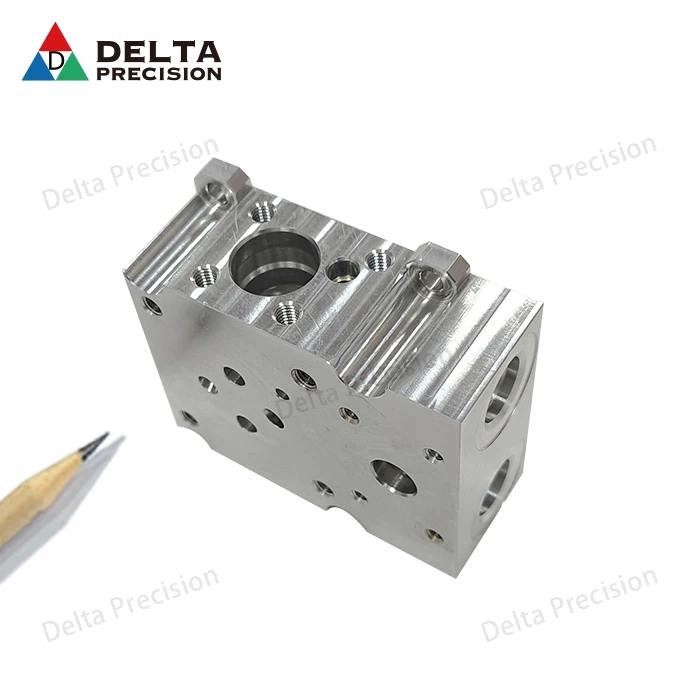
As a valve body supplier, we are committed to providing high - quality valve bodies that meet the strict safety requirements of the oil and gas industry. Our products are designed and manufactured with the latest technologies and adhere to international standards. If you are in the market for valve bodies or related components, we invite you to contact us for procurement and further discussion. We are ready to work with you to ensure the safety and efficiency of your oil and gas pipelines.
References
- American Petroleum Institute (API). API 6D: Specification for Pipeline Valves.
- International Organization for Standardization (ISO). ISO standards related to valves in the oil and gas industry.
- Pipeline operators' manuals and guidelines on valve body safety and maintenance.