

As a seasoned supplier of servo valve parts, I've witnessed firsthand the critical role these components play in various industrial applications. Servo valves are at the heart of many hydraulic systems, controlling the flow and pressure of fluids with precision. Understanding the self-diagnostic capabilities of servo valve parts is not only essential for ensuring optimal performance but also for preventing costly downtime and maintenance issues. In this blog post, I'll delve into the key self-diagnostic features of servo valve parts and how they benefit our customers.
Understanding Servo Valve Parts
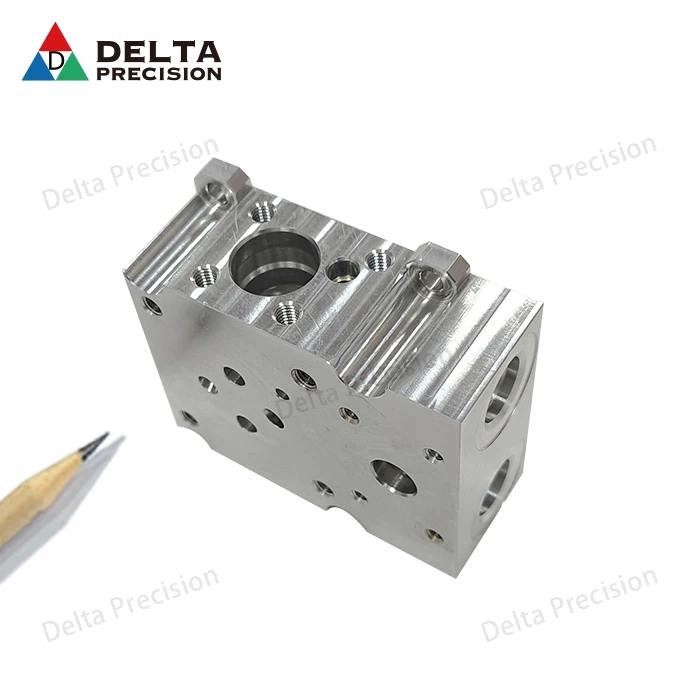
Before we explore the self-diagnostic capabilities, let's briefly review the main components of a servo valve. A typical servo valve consists of several key parts, including the Valve Body, Valve Turned Parts, and Valve Machining Components. Each part has a specific function and contributes to the overall performance of the servo valve.
The valve body is the main housing of the servo valve, providing a structure for the other components and guiding the flow of hydraulic fluid. Valve turned parts, such as spools and sleeves, are precision-machined to control the flow and direction of the fluid. Valve machining components, including seals, gaskets, and orifices, ensure proper sealing and regulate the fluid flow rate.
Self-Diagnostic Capabilities of Servo Valve Parts
Pressure Sensors
One of the most important self-diagnostic features of servo valve parts is the integration of pressure sensors. These sensors are strategically placed within the valve to monitor the pressure of the hydraulic fluid at different points. By continuously measuring the pressure, the sensors can detect any abnormal fluctuations or deviations from the normal operating range.
For example, if the pressure in a particular chamber of the servo valve suddenly increases or decreases, it could indicate a blockage, a leak, or a malfunction in the valve's internal components. The pressure sensors can send real-time data to a control system, which can then trigger an alarm or initiate corrective actions. This early detection of potential issues allows for timely maintenance and prevents catastrophic failures.
Flow Sensors
In addition to pressure sensors, servo valve parts often incorporate flow sensors. These sensors measure the volume or rate of the hydraulic fluid flowing through the valve. Similar to pressure sensors, flow sensors can detect any changes in the flow pattern, such as a decrease in flow rate or an irregular flow distribution.
A decrease in flow rate could be caused by a clogged filter, a damaged valve seat, or a worn-out spool. By monitoring the flow rate, the control system can identify the source of the problem and take appropriate measures, such as replacing the filter or adjusting the valve settings. Flow sensors also help optimize the performance of the servo valve by ensuring that the correct amount of fluid is delivered to the hydraulic actuator.
Temperature Sensors
Temperature is another critical parameter that can affect the performance of servo valve parts. High temperatures can cause the hydraulic fluid to degrade, leading to reduced lubrication and increased wear on the valve components. Low temperatures, on the other hand, can increase the viscosity of the fluid, making it more difficult to control the flow.
To address these issues, servo valve parts are equipped with temperature sensors. These sensors monitor the temperature of the hydraulic fluid and the valve body itself. If the temperature exceeds the recommended operating range, the sensors can send a signal to the control system, which can then activate a cooling system or adjust the operating conditions to prevent overheating.
Position Sensors
Position sensors are used to monitor the position of the valve spool or other moving parts within the servo valve. These sensors provide feedback on the actual position of the component relative to its desired position. By comparing the actual and desired positions, the control system can determine if the valve is operating correctly and make any necessary adjustments.
For example, if the spool is not moving to the correct position, it could indicate a mechanical problem, such as a stuck spool or a damaged actuator. Position sensors can detect these issues early on and allow for timely repairs, ensuring the accurate and reliable operation of the servo valve.
Benefits of Self-Diagnostic Capabilities
The self-diagnostic capabilities of servo valve parts offer several significant benefits to our customers.
Improved Reliability
By continuously monitoring the performance of the servo valve parts, the self-diagnostic systems can detect and prevent potential failures before they occur. This reduces the risk of unexpected downtime and costly repairs, ensuring the reliable operation of the hydraulic system.

Enhanced Performance
The real-time data provided by the self-diagnostic sensors allows for precise control and optimization of the servo valve. By adjusting the valve settings based on the sensor feedback, the system can achieve higher levels of accuracy and efficiency, resulting in improved overall performance.
Reduced Maintenance Costs
Early detection of problems through self-diagnostic capabilities means that maintenance can be scheduled proactively. Instead of waiting for a major failure to occur, maintenance can be performed at the appropriate time, reducing the need for emergency repairs and minimizing the overall maintenance costs.
Increased Safety
In industrial applications, the safety of personnel and equipment is of utmost importance. The self-diagnostic features of servo valve parts help ensure the safe operation of the hydraulic system by detecting and preventing potential hazards. For example, if a leak is detected, the system can shut down the valve to prevent the spread of hydraulic fluid and avoid any potential safety risks.
How Our Servo Valve Parts Stand Out
At our company, we take pride in offering high-quality servo valve parts with advanced self-diagnostic capabilities. Our engineers have extensive experience in designing and manufacturing servo valve components, and we use the latest technology and materials to ensure the reliability and performance of our products.
We conduct rigorous testing and quality control procedures on all our servo valve parts to ensure that they meet or exceed industry standards. Our self-diagnostic systems are highly accurate and reliable, providing our customers with real-time information and peace of mind.
In addition, we offer comprehensive technical support and after-sales service. Our team of experts is available to assist our customers with installation, troubleshooting, and maintenance of our servo valve parts. We also provide customized solutions to meet the specific needs of our customers, ensuring that they get the most out of our products.
Conclusion
The self-diagnostic capabilities of servo valve parts are essential for ensuring the optimal performance, reliability, and safety of hydraulic systems. By integrating pressure sensors, flow sensors, temperature sensors, and position sensors, servo valve parts can detect and prevent potential issues before they cause major problems.
As a leading supplier of servo valve parts, we are committed to providing our customers with high-quality products and exceptional service. Our advanced self-diagnostic systems and comprehensive technical support make us the preferred choice for many industries.
If you're interested in learning more about our servo valve parts or discussing your specific requirements, please don't hesitate to contact us. We look forward to the opportunity to work with you and help you achieve your goals.
References
- "Hydraulic Servo Systems" by Donald E. Newell
- "Fluid Power Technology" by David C. White
- "Servo Valve Handbook" by Moog Inc.