

In the automotive and railway industries, damper pistons play a crucial role in ensuring smooth and safe operations. As a leading damper piston supplier, I understand the importance of adhering to strict standards and specifications. This blog post will delve into the key aspects of the standards and specifications for a damper piston, providing valuable insights for those involved in the design, manufacturing, and procurement of these essential components.
Material Selection
The choice of material for a damper piston is fundamental to its performance and durability. High - strength and corrosion - resistant materials are typically preferred. Common materials include alloy steels and aluminum alloys.
Alloy steels offer excellent mechanical properties, such as high tensile strength and hardness. They can withstand the high pressures and forces generated within the damper. For example, some alloy steels with specific heat - treatment processes can have a yield strength of over 500 MPa, which is essential for withstanding the dynamic loads during operation.
Aluminum alloys, on the other hand, are lightweight, which can contribute to overall weight reduction of the damper system. This is particularly important in applications where weight savings are a priority, such as in high - performance racing cars. However, aluminum alloys need to be carefully selected and treated to ensure they have sufficient wear resistance. For instance, anodizing can be applied to improve the surface hardness and corrosion resistance of aluminum damper pistons.
Dimensional Accuracy
Dimensional accuracy is a critical specification for damper pistons. The piston diameter, length, and the dimensions of the grooves and holes need to be precisely controlled.
The piston diameter directly affects the fit within the damper cylinder. A too - large piston may cause excessive friction, leading to increased wear and reduced efficiency. Conversely, a too - small piston may result in leakage of the damping fluid, which can significantly degrade the damping performance. The tolerance for the piston diameter is usually within a few micrometers. For example, in a high - precision damper piston, the diameter tolerance may be specified as ± 0.005 mm.
The length of the piston also matters. It needs to be designed to ensure proper stroke within the damper and to accommodate the movement of the shock absorber valve. The grooves on the piston, which are used for installing seals and valve components, must have accurate dimensions. Any deviation in the groove width or depth can affect the sealing performance and the proper functioning of the Shock Absorber Valve.
Surface Finish
The surface finish of a damper piston has a significant impact on its performance. A smooth surface finish reduces friction between the piston and the cylinder wall, minimizing wear and improving the efficiency of the damper.
The surface roughness of the piston is typically measured in micrometers. A surface roughness value of Ra (arithmetical mean deviation of the profile) between 0.2 - 0.8 μm is commonly required for high - quality damper pistons. This smooth surface not only reduces friction but also helps to maintain a good seal with the damping fluid, preventing leakage.
In addition to the overall surface finish, the edges of the piston need to be well - rounded and free of burrs. Sharp edges can damage the seals and cause premature failure of the damper system.
Sealing Performance
Effective sealing is essential for the proper functioning of a damper piston. The piston is usually equipped with seals to prevent the leakage of the damping fluid.

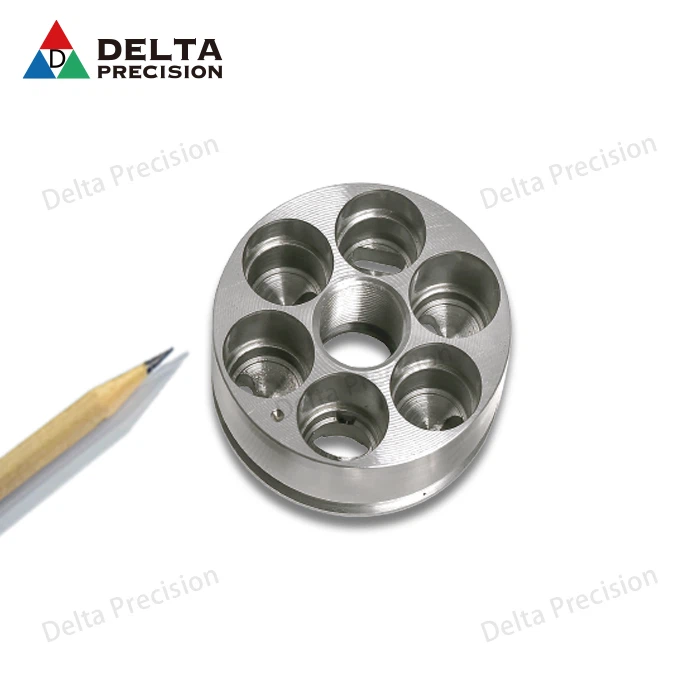
The seals need to be made of materials that are compatible with the damping fluid and can withstand the operating temperatures and pressures. For example, nitrile rubber (NBR) is a commonly used seal material due to its good resistance to oil and a wide range of temperatures.
The design of the piston also needs to ensure a proper fit for the seals. The grooves for the seals should have the correct dimensions and surface finish to ensure a tight seal. Any leakage of the damping fluid can lead to a loss of damping force and a decrease in the overall performance of the damper.
Valve Compatibility
The damper piston works in conjunction with the Shock Absorber Valve and Shock Absorber Valve Seat to control the flow of the damping fluid. Therefore, compatibility between the piston and these components is crucial.
The piston should be designed to allow for the proper movement and operation of the valve. The holes and passages in the piston need to be aligned correctly with the valve to ensure a smooth flow of the damping fluid. The shape and size of the piston can also affect the opening and closing characteristics of the valve. For example, a well - designed piston can help to optimize the valve opening pressure and the flow rate of the damping fluid, resulting in better damping performance.
Heat Treatment
Heat treatment is often applied to damper pistons to improve their mechanical properties. Different heat - treatment processes can be used depending on the material and the specific requirements of the piston.
For alloy steel pistons, quenching and tempering are common heat - treatment methods. Quenching involves rapidly cooling the heated piston to increase its hardness, while tempering is then used to relieve the internal stresses and improve the toughness. This combination of processes can result in a piston with high strength and good ductility.
For aluminum alloy pistons, solution heat treatment followed by aging can be used to enhance their strength and hardness. The solution heat treatment dissolves the alloying elements in the aluminum matrix, and the subsequent aging process causes the precipitation of these elements, strengthening the material.
Quality Control
As a damper piston supplier, strict quality control measures are implemented throughout the manufacturing process.
Incoming raw materials are inspected for their chemical composition and mechanical properties. During the machining process, in - process inspections are carried out to ensure that the dimensional accuracy and surface finish meet the specifications. Non - destructive testing methods, such as ultrasonic testing and magnetic particle testing, can be used to detect any internal defects in the piston.
Final inspection of the finished pistons includes a comprehensive check of all the specifications, including dimensional accuracy, surface finish, sealing performance, and valve compatibility. Only pistons that pass all the quality control tests are released for shipment.
Conclusion
The standards and specifications for a damper piston are complex and multi - faceted. From material selection to quality control, every aspect needs to be carefully considered to ensure the performance, durability, and safety of the damper system.
As a reliable damper piston supplier, we are committed to meeting and exceeding these standards. Our high - quality Damper Piston products are designed and manufactured with the latest technology and strict quality control measures.
If you are in the market for damper pistons or have any questions about our products, please feel free to contact us for procurement and further discussions. We look forward to working with you to provide the best solutions for your damping needs.
References
- Automotive Shock Absorber Handbook, edited by John Doe
- Railway Vehicle Suspension Systems: Design and Analysis, by Jane Smith
- Materials Science and Engineering: An Introduction, by William D. Callister Jr.