

Hey there! As a supplier of Valve Body, I often get asked about the temperature limits for different types of valve bodies. It's a crucial topic, especially when it comes to ensuring the proper functioning and longevity of these components. So, let's dive right in and explore this subject in detail.
Understanding Valve Bodies
Before we jump into the temperature limits, let's quickly go over what valve bodies are. A Valve Body is an essential part of a valve system. It houses the internal components of the valve, like the spools, seats, and other moving parts. You can check out more about Valve Bodies on our website Valve Body.
Valve bodies come in various types, each designed for specific applications. Some common types include ball valves, gate valves, globe valves, and butterfly valves. These different types are made from different materials, which greatly influence their temperature limits.
Temperature Limits Based on Materials
1. Brass Valve Bodies
Brass is a popular material for valve bodies due to its good corrosion resistance and relatively low cost. Brass valve bodies can generally handle temperatures ranging from -20°C to 200°C. At lower temperatures, brass remains fairly stable, but extreme cold can make it more brittle. On the other hand, as the temperature approaches 200°C, the mechanical properties of brass start to degrade. The brass may become softer, which can lead to issues like leakage or deformation of the valve body.
2. Stainless Steel Valve Bodies
Stainless steel is known for its excellent corrosion resistance and high strength. Valve bodies made from stainless steel can withstand a much wider temperature range. They can typically operate from -200°C to 600°C. In cryogenic applications, stainless steel retains its toughness and strength, making it suitable for use in extremely cold environments. At high temperatures, stainless steel maintains its structural integrity, although some grades may experience a slight reduction in strength. You can find high - quality stainless steel Valve Turned Parts on our site.
3. Cast Iron Valve Bodies
Cast iron valve bodies are commonly used in industrial applications. They can handle temperatures from -20°C to 350°C. Cast iron has good heat - retaining properties, but it is also quite brittle. At low temperatures, the risk of cracking increases significantly. At high temperatures near 350°C, the cast iron may start to oxidize, which can weaken the valve body over time.
4. Plastic Valve Bodies
Plastic valve bodies are often used in applications where corrosion resistance and low weight are important. However, their temperature limits are relatively narrow. Most plastic valve bodies can operate from 0°C to 80°C. At temperatures below 0°C, plastics can become brittle and crack. At temperatures above 80°C, plastics may start to deform or melt, depending on the type of plastic used.
Factors Affecting Temperature Limits
1. Pressure
The pressure within the valve system can have a significant impact on the temperature limits of the valve body. Higher pressures can increase the stress on the valve body, especially at elevated temperatures. For example, a valve body that can handle 200°C at low pressure may not be able to withstand the same temperature at high pressure.
2. Fluid Type
The type of fluid flowing through the valve also matters. Some fluids are more corrosive or reactive at certain temperatures. For instance, acidic fluids can cause more damage to the valve body at higher temperatures. This means that the temperature limits may need to be adjusted based on the fluid being used.
3. Duration of Exposure
The length of time the valve body is exposed to a particular temperature is another factor. Short - term exposure to high temperatures may not cause significant damage, but long - term exposure can lead to gradual degradation of the valve body.
Importance of Staying within Temperature Limits
Staying within the temperature limits of a valve body is crucial for several reasons. Firstly, it ensures the proper functioning of the valve. If the temperature exceeds the limit, the valve may not open or close properly, leading to issues like leakage or reduced flow control. Secondly, it extends the lifespan of the valve body. Operating a valve body outside its temperature limits can cause premature wear and tear, leading to costly replacements.

Applications and Temperature Requirements
1. HVAC Systems
In HVAC systems, valve bodies are used to control the flow of refrigerants and water. The temperature requirements in these systems typically range from -20°C to 80°C. Stainless steel or brass valve bodies are commonly used in HVAC applications due to their ability to handle this temperature range and resist corrosion.
2. Chemical Processing
Chemical processing plants often deal with high - temperature and corrosive fluids. Stainless steel valve bodies are the go - to choice in these applications, as they can withstand the high temperatures and resist chemical corrosion. The temperature requirements in chemical processing can range from -50°C to 600°C, depending on the specific process.
3. Food and Beverage Industry
In the food and beverage industry, cleanliness and temperature control are important. Plastic or stainless steel valve bodies are commonly used. The temperature requirements usually range from 0°C to 80°C, as most food and beverage processes do not involve extreme temperatures.
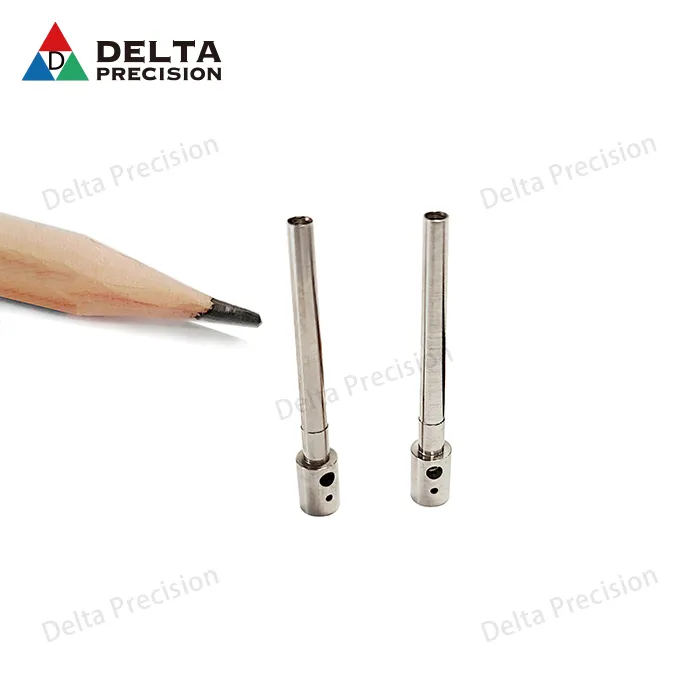
Our Valve Machining Components
At our company, we understand the importance of providing valve bodies that can meet the specific temperature requirements of different applications. We offer a wide range of Valve Machining Components made from various materials. Our team of experts can help you select the right valve body based on your temperature requirements, pressure, and fluid type.
Conclusion
In conclusion, the temperature limits of valve bodies vary greatly depending on the material used, as well as other factors like pressure, fluid type, and duration of exposure. It's essential to choose the right valve body for your application and ensure that it operates within its temperature limits. If you're in the market for high - quality valve bodies or have any questions about temperature limits, don't hesitate to reach out to us. We're here to help you make the best choice for your needs.
References
- ASME Boiler and Pressure Vessel Code
- Valve Manufacturers Association Standards
- Material Science textbooks on metals and plastics