

Micro injection molding is a highly specialized manufacturing process that enables the production of extremely small plastic parts with high precision and accuracy. As a leading Micro Injection Molding supplier, we have witnessed firsthand the diverse and innovative applications of this technology across various industries. In this blog post, we will explore some of the typical applications of micro injection molding and highlight how it has revolutionized the production of small plastic parts.
Medical and Healthcare
The medical and healthcare industry is one of the largest beneficiaries of micro injection molding. The ability to produce small, intricate, and precise parts is crucial for medical devices, diagnostic tools, and drug delivery systems. Some of the common applications in this sector include:

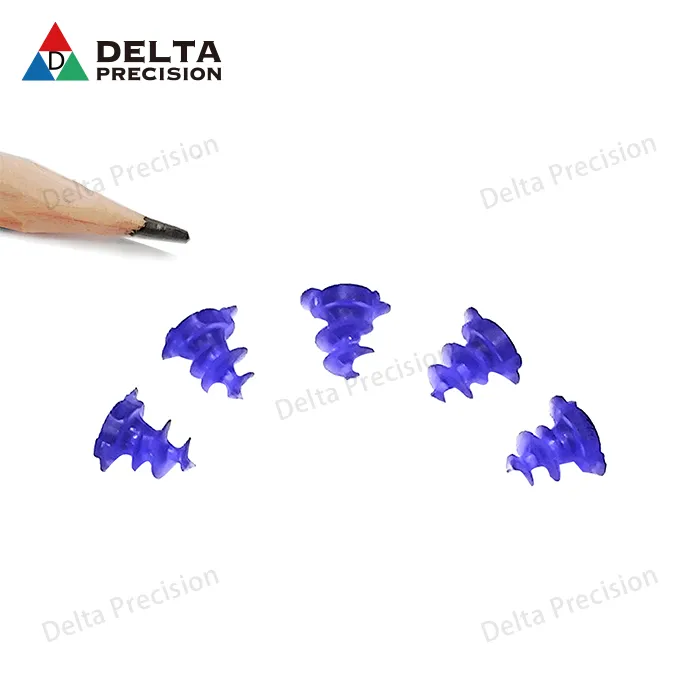
- Medical Devices: Micro injection molding is used to manufacture a wide range of medical devices, such as catheters, syringes, valves, and connectors. These parts require high precision and accuracy to ensure proper functionality and patient safety. For example, micro injection molded catheters are used for minimally invasive procedures, where small size and flexibility are essential.
- Diagnostic Tools: Diagnostic tools, such as test strips, cartridges, and microfluidic devices, rely on micro injection molding to produce small and accurate components. These parts are used for various diagnostic tests, including blood glucose monitoring, pregnancy testing, and DNA analysis. Micro injection molding allows for the integration of multiple functions into a single part, reducing the size and complexity of diagnostic devices.
- Drug Delivery Systems: Micro injection molding is also used in the production of drug delivery systems, such as inhalers, pumps, and injectors. These devices require precise control over the dosage and delivery of drugs, which can be achieved through the use of micro injection molded parts. For example, micro injection molded inhaler components ensure accurate and consistent drug delivery to the lungs.
Electronics and Telecommunications
The electronics and telecommunications industry is constantly evolving, with a growing demand for smaller, lighter, and more powerful devices. Micro injection molding plays a crucial role in meeting these requirements by enabling the production of small and complex plastic parts for electronic devices. Some of the typical applications in this sector include:
- Consumer Electronics: Micro injection molding is used to manufacture a variety of consumer electronics products, such as smartphones, tablets, laptops, and wearables. These devices require small and precise components, such as buttons, connectors, and housings, which can be produced using micro injection molding. Micro injection molding also allows for the integration of features such as antennas, sensors, and displays into plastic parts, reducing the size and weight of electronic devices.
- Telecommunications: The telecommunications industry relies on micro injection molding for the production of small and high-performance components, such as connectors, switches, and filters. These parts are used in telecommunications networks, including fiber optic cables, wireless communication systems, and data centers. Micro injection molding ensures the reliability and durability of these components, which are critical for the efficient operation of telecommunications networks.
- Semiconductor Packaging: Micro injection molding is also used in semiconductor packaging, which involves the encapsulation of semiconductor chips in plastic packages. These packages protect the chips from environmental factors and provide electrical connections to the outside world. Micro injection molding allows for the production of small and precise packages with high thermal and electrical performance, which are essential for the miniaturization and performance improvement of semiconductor devices.
Automotive and Aerospace
The automotive and aerospace industries require high-performance and reliable components that can withstand extreme conditions. Micro injection molding offers several advantages for the production of small plastic parts in these industries, including high precision, repeatability, and the ability to use a wide range of materials. Some of the typical applications in this sector include:
- Automotive: Micro injection molding is used to manufacture a variety of automotive components, such as sensors, connectors, switches, and interior trim parts. These parts require high precision and durability to ensure the proper functioning of automotive systems. For example, micro injection molded sensors are used for engine management, safety systems, and driver assistance systems.
- Aerospace: The aerospace industry relies on micro injection molding for the production of small and lightweight components, such as connectors, valves, and brackets. These parts are used in aircraft engines, avionics systems, and spacecraft. Micro injection molding allows for the production of parts with complex geometries and high strength-to-weight ratios, which are essential for the performance and efficiency of aerospace vehicles.
Consumer Goods and Packaging
The consumer goods and packaging industry is driven by the need for innovative and attractive products that meet the changing demands of consumers. Micro injection molding offers a cost-effective and efficient solution for the production of small plastic parts for consumer goods and packaging applications. Some of the typical applications in this sector include:
- Consumer Goods: Micro injection molding is used to manufacture a variety of consumer goods, such as toys, jewelry, and household items. These products require small and detailed components, which can be produced using micro injection molding. Micro injection molding also allows for the use of a wide range of materials, including plastics, metals, and ceramics, to create unique and customized products.
- Packaging: The packaging industry relies on micro injection molding for the production of small and precise packaging components, such as caps, closures, and dispensers. These parts are used for a variety of products, including food, beverages, cosmetics, and pharmaceuticals. Micro injection molding ensures the proper sealing and dispensing of products, as well as the protection of contents from contamination and damage.
Other Applications
In addition to the industries mentioned above, micro injection molding has a wide range of other applications, including:
- Optics: Micro injection molding is used to manufacture optical components, such as lenses, prisms, and mirrors. These parts require high precision and optical quality, which can be achieved through the use of micro injection molding. Micro injection molding also allows for the production of complex optical geometries, such as aspherical lenses, which are used in a variety of optical systems.
- Defense and Security: The defense and security industry relies on micro injection molding for the production of small and high-performance components, such as sensors, connectors, and switches. These parts are used in military equipment, surveillance systems, and security devices. Micro injection molding ensures the reliability and durability of these components, which are critical for the safety and security of military personnel and the public.
- Energy: The energy industry uses micro injection molding for the production of small and efficient components, such as fuel cells, batteries, and solar panels. These parts require high precision and performance to ensure the efficient conversion and storage of energy. Micro injection molding allows for the production of parts with complex geometries and high surface quality, which are essential for the performance and efficiency of energy systems.
As a Micro Injection Molding supplier, we are committed to providing our customers with high-quality products and services. Our state-of-the-art manufacturing facilities and experienced team of engineers and technicians enable us to produce small plastic parts with the highest level of precision and accuracy. We offer a wide range of materials and processes to meet the specific requirements of our customers, and we are constantly investing in research and development to improve our products and services.
If you are interested in learning more about our Micro Injection Molding capabilities or have a specific project in mind, please do not hesitate to contact us. We would be happy to discuss your requirements and provide you with a customized solution. You can visit our website at Micro Injection Molding or Small Part Injection Molding to learn more about our products and services.
References
- "Micro Injection Molding: Technology and Applications" by John Doe
- "The Handbook of Micro Injection Molding" by Jane Smith
- "Advances in Micro Injection Molding" by Robert Johnson