

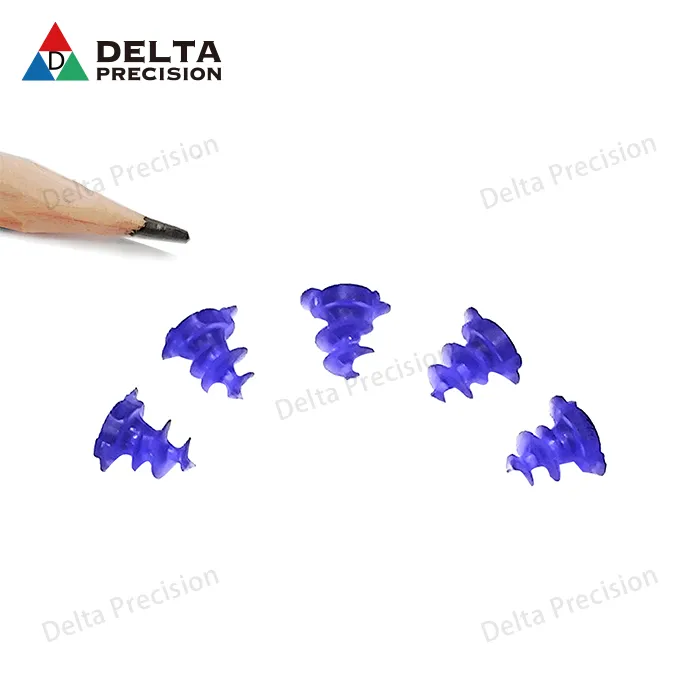
Sink marks are a common defect in micro injection molded parts that can significantly affect the quality and functionality of the final product. As a Micro Injection Molding supplier, I've encountered this issue numerous times and have in - depth knowledge of its causes. In this blog, I'll explore the various factors that lead to sink marks in micro injection molded parts.
1. Material - related Factors
Material Shrinkage
Different plastics have different shrinkage rates. During the cooling process of micro injection molding, the plastic material contracts. When there is a thick - thin section transition in the part, the thicker section cools more slowly and shrinks more than the thinner section. This differential shrinkage creates internal stresses that can pull the surface of the thick section inwards, resulting in a sink mark.
For example, some crystalline plastics like polypropylene (PP) and polyethylene (PE) have relatively high shrinkage rates compared to amorphous plastics such as polycarbonate (PC). When designing micro injection molded parts with these high - shrinkage materials, extra care is needed to minimize the size and number of thick sections.
Material Viscosity
High - viscosity materials are more difficult to flow during the injection molding process. When the material is injected into the mold cavity, a high - viscosity material may not be able to fill the cavity uniformly, especially in areas with complex geometries. As a result, the material in some regions may not be packed tightly enough, leading to sink marks as the plastic cools and shrinks.
If the melt temperature of the high - viscosity material is not optimized, it can exacerbate the problem. A lower than recommended melt temperature will increase the viscosity further, reducing the material's ability to flow and fill the mold properly.
2. Mold Design Issues
Uneven Wall Thickness
One of the most common causes of sink marks in micro injection molded parts is uneven wall thickness. Thick sections in the part act as heat sinks, cooling more slowly than thinner sections. This difference in cooling rates causes the plastic in the thick section to shrink more, creating a void or a sink mark on the surface.
In small part injection molding, even small variations in wall thickness can have a significant impact. Ideally, the wall thickness of micro injection molded parts should be as uniform as possible. If a part design requires a change in wall thickness, a gradual transition should be used rather than a sudden step.
Gate Location and Size
The location and size of the gates in the mold play a crucial role in the filling and packing of the plastic material. If the gate is placed in an inappropriate position, it can lead to uneven flow of the plastic into the mold cavity. This uneven flow can cause some areas to be under - packed, resulting in sink marks.
A gate that is too small may restrict the flow of the plastic, preventing it from filling the cavity completely or packing the material tightly. On the other hand, a gate that is too large may cause excessive shear stress on the plastic, leading to premature cooling and potential sink marks.
Venting Problems
Proper venting is essential in micro injection molding to allow the air trapped in the mold cavity to escape during the injection process. If the mold is not vented adequately, the trapped air can create high - pressure pockets in the mold. These pockets can prevent the plastic from filling the cavity completely, resulting in incomplete parts or sink marks.
In micro injection molded parts, the venting channels need to be extremely small but still effective. Clogged or poorly designed vents can lead to the accumulation of air, which can cause surface defects like sink marks.
3. Processing Parameters
Injection Pressure and Speed
The injection pressure and speed determine how the plastic material fills the mold cavity. Insufficient injection pressure may result in incomplete filling of the cavity, leaving some areas under - packed. As the plastic cools, these under - packed areas are more likely to develop sink marks.
However, if the injection pressure is too high, it can cause excessive shear stress on the plastic, leading to material degradation and potential sink marks. Similarly, the injection speed needs to be carefully controlled. A very slow injection speed may cause the plastic to cool prematurely, while a very high speed can cause turbulence in the material flow, leading to uneven filling.
Cooling Time
Cooling time is a critical parameter in micro injection molding. If the cooling time is too short, the plastic may not have enough time to solidify properly. As a result, the internal stresses caused by shrinkage cannot be fully relieved, and sink marks can occur.
On the other hand, an excessively long cooling time can increase the cycle time and reduce production efficiency. It is essential to find the optimal cooling time based on the material properties, part thickness, and mold design.
Melt Temperature
The melt temperature affects the viscosity and flowability of the plastic material. A low melt temperature will increase the viscosity of the plastic, making it harder to fill the mold cavity and pack the material effectively. This can lead to sink marks due to under - packing.
Conversely, a very high melt temperature can cause the plastic to degrade, resulting in poor part quality and potential sink marks. Maintaining the melt temperature within the recommended range for the specific plastic material is crucial for preventing sink marks.
4. Post - molding Factors
Handling and Storage
After the micro injection molded parts are ejected from the mold, improper handling and storage can also contribute to the appearance of sink marks. If the parts are subjected to excessive pressure or temperature changes during handling or storage, the internal stresses in the parts can be redistributed, causing sink marks to develop.
For example, stacking the parts too tightly or storing them in a high - temperature environment can affect the final shape of the parts. It is important to handle the parts gently and store them under appropriate conditions to minimize the risk of sink marks.

Solutions for Preventing Sink Marks
To prevent sink marks in micro injection molded parts, a comprehensive approach is required. In terms of material selection, choosing plastics with lower shrinkage rates or using additives to reduce shrinkage can be effective.
For mold design, optimizing the wall thickness, gate location and size, and venting is crucial. Utilizing advanced computer - aided design (CAD) and mold - flow analysis software can help identify and correct potential problems in the mold design.
Regarding processing parameters, fine - tuning the injection pressure, speed, cooling time, and melt temperature can significantly reduce the occurrence of sink marks. Regular monitoring and adjustment of these parameters during the production process are necessary.
In post - molding, proper handling and storage procedures should be established to protect the parts from external factors that could cause sink marks.
If you are facing issues with sink marks in your micro injection molded parts or are looking for a reliable Micro Injection Molding supplier, feel free to reach out to discuss your requirements. Our team of experts can provide customized solutions to ensure the high - quality production of your micro injection molded parts.
References
- Osswald, T. A., & Turng, L. - S. (2003). Injection Molding Handbook. Hanser Publishers.
- Campbell, F. C. (2005). Manufacturing Processes for Advanced Composites. Elsevier.
- Rosato, D. V., & Rosato, D. V. (2011). Injection Molding Handbook. Kluwer Academic Publishers.