

Hey there! As a lead screw supplier, I'm super stoked to chat with you about what an Acme lead screw is. You might be wondering, "What's the big deal about these things?" Well, stick around, and I'll break it all down for you.
What Exactly is an Acme Lead Screw?
Let's start from the basics. An Acme lead screw is a type of screw that's got a really distinct thread profile. Unlike your regular ol' screws, the Acme thread has a 29-degree angle, which is a bit different from the 60-degree angle you'd find on a standard screw. This unique angle gives the Acme lead screw some pretty cool advantages.
One of the main things that sets Acme lead screws apart is their ability to handle heavy loads. They're designed to convert rotary motion into linear motion, which means they can be used in all sorts of machinery to move things around. Whether it's in a big industrial machine or a smaller precision device, Acme lead screws are up for the task.
How Do Acme Lead Screws Work?
Okay, so how does this whole conversion from rotary to linear motion actually happen? Well, it's all about the threads. When you turn an Acme lead screw, the threads interact with a nut that's attached to whatever you want to move. As the screw rotates, the nut moves along the threads, creating linear motion. It's like a really efficient way of getting things done!
The design of the Acme thread also helps with smooth operation. The 29-degree angle allows for better contact between the screw and the nut, which reduces friction and wear. This means that Acme lead screws can last a long time, even with heavy use.
Where Are Acme Lead Screws Used?
Acme lead screws are used in a wide variety of industries. In the manufacturing world, they're often found in CNC machines, where they're used to control the movement of the cutting tools. They're also used in robotics, where they help with the precise positioning of robotic arms.
Another common application is in the medical field. For example, Dialysis Spinneret often rely on Acme lead screws to ensure accurate and consistent operation. These screws are also used in other medical devices, such as surgical tables and imaging equipment.
In the aerospace industry, Acme lead screws are used in aircraft landing gear and control systems. Their ability to handle heavy loads and provide precise motion makes them ideal for these critical applications.
Advantages of Acme Lead Screws
There are several advantages to using Acme lead screws. First and foremost, they're really strong. They can handle a lot of weight without breaking or wearing out quickly. This makes them a great choice for heavy-duty applications.
Another advantage is their efficiency. The design of the Acme thread allows for smooth and consistent motion, which means less energy is wasted. This can lead to cost savings in the long run, especially in industrial applications where energy consumption is a big concern.
Acme lead screws are also relatively easy to manufacture. This means that they can be produced in large quantities at a reasonable cost. Whether you need a single screw for a small project or a whole bunch for a big industrial application, you can usually find an Acme lead screw that fits your needs.
Disadvantages of Acme Lead Screws
Of course, no product is perfect, and Acme lead screws are no exception. One of the main disadvantages is their relatively low efficiency compared to some other types of screws, such as ball screws. While they're more efficient than regular screws, they still lose some energy due to friction.
Another issue is that Acme lead screws require regular maintenance. The threads need to be lubricated to reduce friction and wear, and the nut may need to be adjusted over time to ensure proper operation. This can add to the overall cost of using these screws.
Types of Acme Lead Screws
There are a few different types of Acme lead screws. The most common type is the general-purpose Acme lead screw, which is used in a wide variety of applications. These screws are available in different sizes and pitches, so you can choose the one that's right for your specific needs.
There's also the stub Acme lead screw, which has a shorter thread profile. This type of screw is often used in applications where space is limited.
Finally, there's the modified Acme lead screw, which has a slightly different thread profile. This type of screw is designed to provide even better performance in certain applications, such as high-speed or high-precision operations.
Choosing the Right Acme Lead Screw
When it comes to choosing the right Acme lead screw for your application, there are a few things to consider. First, you need to think about the load that the screw will need to handle. This will determine the size and strength of the screw you need.
You also need to consider the speed and precision of the motion. If you need a high level of precision, you may want to choose a screw with a finer pitch. On the other hand, if speed is more important, you may want to choose a screw with a coarser pitch.
Another important factor is the environment in which the screw will be used. If the screw will be exposed to dust, dirt, or moisture, you may need to choose a screw that's made from a corrosion-resistant material.
Our Lead Screw Products
As a lead screw supplier, we offer a wide range of Acme lead screws to meet your needs. Whether you're looking for a general-purpose screw or a specialized one for a specific application, we've got you covered.
Our Lead Screw products are made from high-quality materials and are precision machined to ensure the best possible performance. We also offer custom manufacturing services, so if you have a unique requirement, we can work with you to create a screw that's just right for your application.

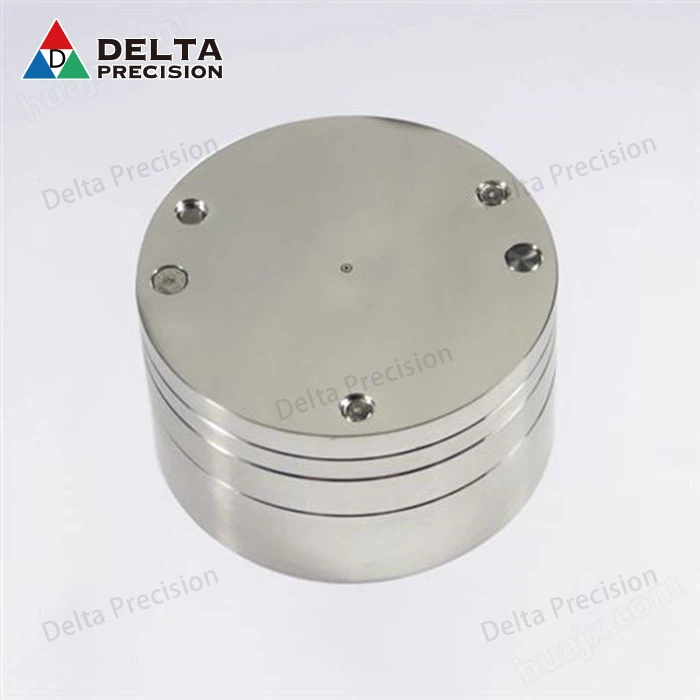
In addition to Acme lead screws, we also offer other types of precision machining industrial parts, such as Precision Small Nozzle. These parts are also made to the highest standards of quality and are designed to provide reliable performance in a variety of applications.
Contact Us for Your Lead Screw Needs
If you're in the market for Acme lead screws or other precision machining industrial parts, we'd love to hear from you. Our team of experts is here to help you choose the right products for your application and to answer any questions you may have.
Whether you're a small business owner looking for a single screw or a large industrial manufacturer in need of a bulk order, we can provide you with the products and services you need. So, don't hesitate to reach out and start a conversation. We're looking forward to working with you!
References
- Budynas, R. G., & Nisbett, J. K. (2011). Shigley's Mechanical Engineering Design. McGraw-Hill.
- Spotts, M. F., Shoup, T. E., & Boger, D. L. (2004). Design of Machine Elements. Prentice Hall.