

Hey there! As a supplier of Miniature Flow Control, I've been getting a lot of questions lately about the back-pressure effect on these little wonders. So, I thought I'd take a few minutes to break it down for you.
First off, let's talk about what Miniature Flow Control is. It's a crucial component in many systems, especially in aerospace and marine applications. We're talking about tiny valves and regulators that can precisely control the flow of fluids or gases. If you're interested in learning more about it, you can check out our Miniature Flow Control page.
Now, what is back pressure? Back pressure is essentially the resistance that a fluid or gas encounters as it tries to flow through a system. It's like trying to push water through a narrow pipe - the narrower the pipe, the more resistance you'll face. In the context of Miniature Flow Control, back pressure can have a significant impact on how these components work.
One of the main effects of back pressure on Miniature Flow Control is on the flow rate. When there's high back pressure, the flow rate tends to decrease. Think about it - if there's a lot of resistance in the system, the fluid or gas can't flow as freely. This can be a real problem in applications where precise flow rates are required. For example, in aerospace systems, even a small deviation in the flow rate of fuel or hydraulic fluid can have serious consequences.
Another effect is on the performance and lifespan of the Miniature Flow Control components. High back pressure can put a lot of stress on these tiny valves and regulators. Over time, this stress can cause wear and tear, leading to leaks or even complete failure of the component. That's why it's so important to understand and manage back pressure in your system.
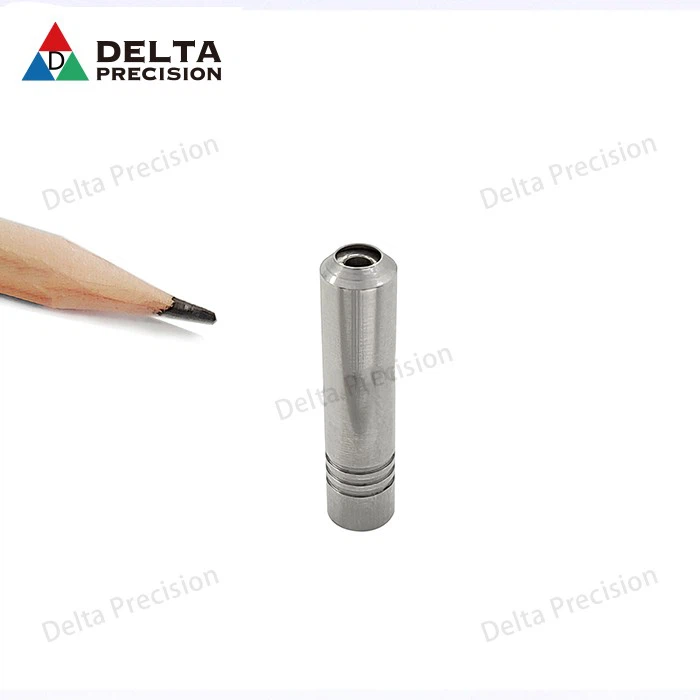

Let's take a closer look at some of the factors that can cause back pressure in a Miniature Flow Control system. One common factor is the length and diameter of the pipes or channels through which the fluid or gas is flowing. As I mentioned earlier, a narrow or long pipe will create more resistance and thus higher back pressure. Another factor is the presence of any restrictions or blockages in the system. This could be due to debris, sediment, or even a malfunctioning component.
So, how can you deal with back pressure in a Miniature Flow Control system? One option is to use components that are designed to handle high back pressure. For example, our Miniature Check Valve is specifically engineered to prevent backflow and can withstand relatively high levels of back pressure. Another option is to optimize the design of your system to reduce resistance. This could involve using larger diameter pipes, minimizing the length of the flow path, or ensuring that there are no blockages.
It's also important to regularly monitor and maintain your Miniature Flow Control system. By keeping an eye on the back pressure and flow rates, you can detect any potential issues early on and take corrective action. This could involve cleaning the pipes, replacing worn-out components, or adjusting the system to reduce back pressure.
Now, let's talk about the relationship between back pressure and other types of Miniature Flow Control components, like the Miniature One-way Valve. These valves are designed to allow fluid or gas to flow in only one direction. Back pressure can affect their operation in a couple of ways. If the back pressure is too high, it could cause the valve to open prematurely or not close properly. This can lead to issues such as backflow, which can be a big problem in many applications.
In some cases, you might need to use multiple Miniature Flow Control components in combination to manage back pressure effectively. For example, you could use a check valve and a flow regulator together to ensure that the flow rate is maintained within the desired range, even in the presence of high back pressure.
To sum it up, back pressure is a critical factor that can have a significant impact on the performance and reliability of Miniature Flow Control systems. By understanding how back pressure works and taking steps to manage it, you can ensure that your system operates smoothly and efficiently.
If you're in the market for Miniature Flow Control components or have any questions about back pressure and how it affects these components, we're here to help. Our team of experts has years of experience in this field and can provide you with the guidance and support you need. Whether you're working on an aerospace project, a marine application, or any other system that requires precise flow control, we have the right solutions for you.
So, don't hesitate to reach out to us if you're interested in learning more or if you're ready to make a purchase. We're committed to providing high-quality Miniature Flow Control components and excellent customer service. Let's work together to ensure that your system operates at its best!
References:
- "Fluid Mechanics and Thermodynamics of Turbomachinery" by S. L. Dixon
- "Valve Handbook" by William L. Nayfeh