

Hey there! As a valve body supplier, I've gotten tons of questions about what a valve body does in a braking system. So, I thought I'd sit down and break it down for you in this blog post.
Let's start with the basics. The braking system in a vehicle is super important - it's what keeps you safe on the road by allowing you to slow down and stop when you need to. And the valve body is a key player in this system.
What is a Valve Body?
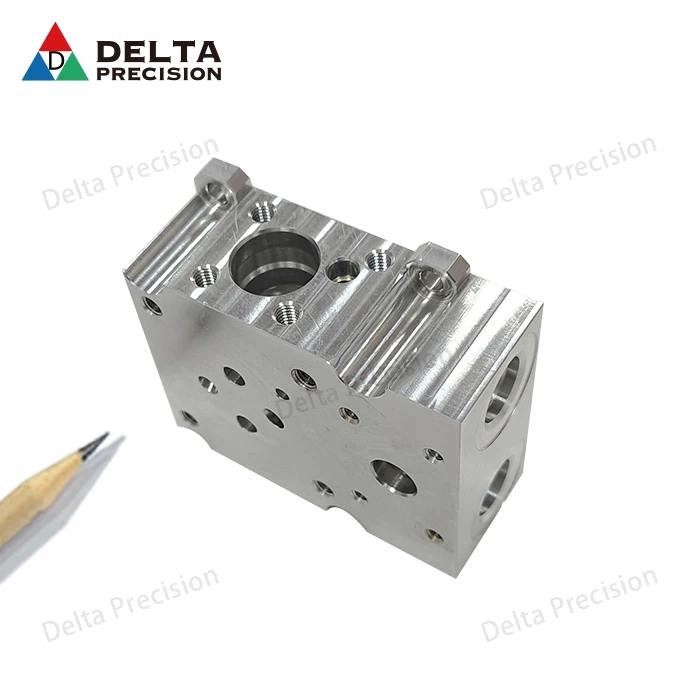
A valve body is like the control center of the braking system. It's a complex assembly of valves, passages, and chambers that work together to regulate the flow of brake fluid. In simple terms, it decides how much pressure is applied to each brake caliper or drum, depending on how hard you press the brake pedal.
The valve body is usually made of high - quality materials like aluminum or steel. These materials are strong enough to withstand the high pressures generated in the braking system. And it's precision - machined to ensure that the valves fit perfectly and work smoothly.
If you're interested in the valve body itself, you can check out our Valve Body page for more details.
How Does a Valve Body Work in a Braking System?
When you press the brake pedal, you're actually creating hydraulic pressure in the brake lines. This pressure is transmitted to the valve body. Inside the valve body, there are different types of valves that perform specific functions.
Master Cylinder and Pressure Regulation
The master cylinder is the starting point of the hydraulic pressure in the braking system. When you press the brake pedal, it pushes a piston in the master cylinder, which forces brake fluid into the valve body. The valve body then regulates this pressure. For example, if you press the pedal gently, the valve body will allow a small amount of pressure to reach the brakes, resulting in a gentle stop. But if you slam on the brakes, the valve body will direct more pressure to the brakes for a quick stop.
Anti - Lock Braking System (ABS) and Valve Body
Many modern vehicles are equipped with an Anti - Lock Braking System (ABS). The valve body plays a crucial role in this system. The ABS is designed to prevent the wheels from locking up during hard braking, which can cause skidding and loss of control.
In an ABS - equipped vehicle, the valve body contains additional valves that can rapidly open and close to modulate the brake pressure at each wheel. When the ABS sensors detect that a wheel is about to lock up, the valve body will reduce the pressure to that wheel's brake, allowing it to continue rotating. Then, it will increase the pressure again to slow down the wheel. This process happens very quickly, often several times per second.
Electronic Stability Control (ESC) and Valve Body
Electronic Stability Control (ESC) is another safety feature that relies on the valve body. ESC helps to keep the vehicle stable during cornering or when the driver makes sudden maneuvers.
The valve body in an ESC system can independently control the brake pressure at each wheel. For example, if the vehicle starts to oversteer (the rear end slides out), the ESC system will use the valve body to apply the brakes to the outer front wheel. This helps to bring the vehicle back into line and maintain control.
Types of Valves in a Valve Body
There are several types of valves commonly found in a valve body for a braking system:
Check Valves
Check valves allow the flow of brake fluid in one direction only. They prevent the backflow of fluid, which is important for maintaining the integrity of the hydraulic pressure in the system. For example, when the brake pedal is released, the check valve ensures that the brake fluid doesn't flow back into the master cylinder too quickly.
Solenoid Valves
Solenoid valves are electrically controlled valves. They are used in systems like ABS and ESC. When an electrical signal is sent to the solenoid valve, it can open or close to control the flow of brake fluid. This allows for precise and rapid control of the brake pressure at each wheel.
Relief Valves
Relief valves are designed to protect the braking system from excessive pressure. If the pressure in the system gets too high, the relief valve will open and release some of the fluid, preventing damage to the components.
Importance of Quality Valve Bodies
Using a high - quality valve body is essential for the proper functioning of the braking system. A poorly made valve body can lead to a variety of problems, such as inconsistent braking performance, leaks, and even complete brake failure.
When you choose a valve body from us, you can be confident that you're getting a product that is made with the highest standards. Our valve bodies are precision - machined and thoroughly tested to ensure they meet or exceed industry requirements.
We also offer Valve Machining Components and Valve Turned Parts for those who may need specific parts for their valve body assembly.
Maintenance and Replacement of Valve Bodies
Like any other component in a vehicle, the valve body may require maintenance or replacement over time. Signs that your valve body may need attention include a spongy brake pedal, uneven braking, or the ABS or ESC warning lights coming on.
Regular maintenance, such as flushing the brake fluid, can help to keep the valve body in good condition. However, if the valve body is damaged or worn out, it's important to replace it as soon as possible to ensure your safety on the road.
Conclusion
So, there you have it - the valve body is a critical component in a braking system. It regulates the flow of brake fluid, works with safety features like ABS and ESC, and helps to keep you safe on the road.

If you're in the market for a valve body or any related components, don't hesitate to reach out. We're here to provide you with high - quality products and excellent customer service. Whether you're a mechanic, a vehicle manufacturer, or just someone looking to replace a faulty valve body, we can help.
Let's start a conversation about your valve body needs. Contact us for more information and let's get started on your purchase.
References
- Automotive Braking Systems: Principles, Diagnosis, and Service by James D. Halderman
- Modern Automotive Technology by James E. Duffy