

Hey there! As a supplier of Miniature Flow Control products, I've been getting a lot of questions lately about the principle of miniature flow control. So, I thought I'd sit down and write this blog to share what I know.
First off, let's talk about what miniature flow control is all about. In simple terms, it's the process of managing the flow of fluids (liquids or gases) in small - scale systems. These systems can be found in a wide range of applications, from medical devices to aerospace equipment.
The basic principle behind miniature flow control lies in the manipulation of fluid dynamics. You see, fluids have certain properties like viscosity, density, and pressure. By controlling these properties, we can regulate the flow rate and direction of the fluid.
One of the key components in miniature flow control is the valve. Valves are like the traffic cops of the fluid world. They can open, close, or partially obstruct the flow path to control how much fluid passes through. For example, Miniature One - way Valve allows fluid to flow in only one direction. This is super useful in systems where you don't want the fluid to backflow, like in some types of pumps or in fuel delivery systems.
Another important type of valve is the Miniature Check Valve. It's similar to the one - way valve, but it often has a more precise mechanism to ensure that the flow is cut off quickly when the pressure changes. This is crucial in applications where even a small amount of backflow can cause problems, such as in hydraulic systems.
The Miniature Non - return Valve also plays a vital role. It functions to prevent reverse flow and is designed to be highly reliable in miniature systems. These valves are often made with high - precision manufacturing techniques to ensure they work accurately in small spaces.
Now, let's dig a bit deeper into how these valves actually work. Most miniature valves operate based on the principle of pressure differential. When the pressure on one side of the valve is higher than the other, the valve will open or close accordingly. For instance, in a one - way valve, when the upstream pressure is greater than the downstream pressure, the valve opens to allow fluid to flow. But as soon as the downstream pressure becomes higher, the valve closes to prevent backflow.
In addition to valves, there are other factors that affect miniature flow control. One of them is the size and shape of the flow path. A smaller flow path will generally restrict the flow more than a larger one. The shape of the path can also influence the flow. For example, a smooth, straight path will allow for a more laminar (steady) flow compared to a path with sharp bends or rough surfaces, which can cause turbulence and disrupt the flow.
The viscosity of the fluid is another important factor. Viscous fluids, like thick oils, flow more slowly than less viscous fluids, such as water. So, when designing a miniature flow control system, you need to take into account the viscosity of the fluid you're dealing with. If the fluid is very viscous, you might need a valve with a larger opening or a more powerful actuator to ensure proper flow.
Temperature can also have an impact on flow control. As the temperature changes, the viscosity of the fluid can change as well. For example, most fluids become less viscous as the temperature increases. This means that the flow rate might increase if the temperature rises, and you need to adjust the flow control mechanism accordingly.
In miniature flow control systems, precision is key. Since these systems are often used in applications where even a small error in flow rate can have significant consequences, we use advanced manufacturing techniques to ensure the components are made to very tight tolerances. This includes things like micro - machining, which allows us to create extremely small and precise parts.
We also use sensors in many miniature flow control systems. These sensors can measure parameters like flow rate, pressure, and temperature. The data from these sensors is then used to adjust the valves or other control elements in real - time. For example, if the sensor detects that the flow rate is too high, it can send a signal to the valve to close a bit to reduce the flow.

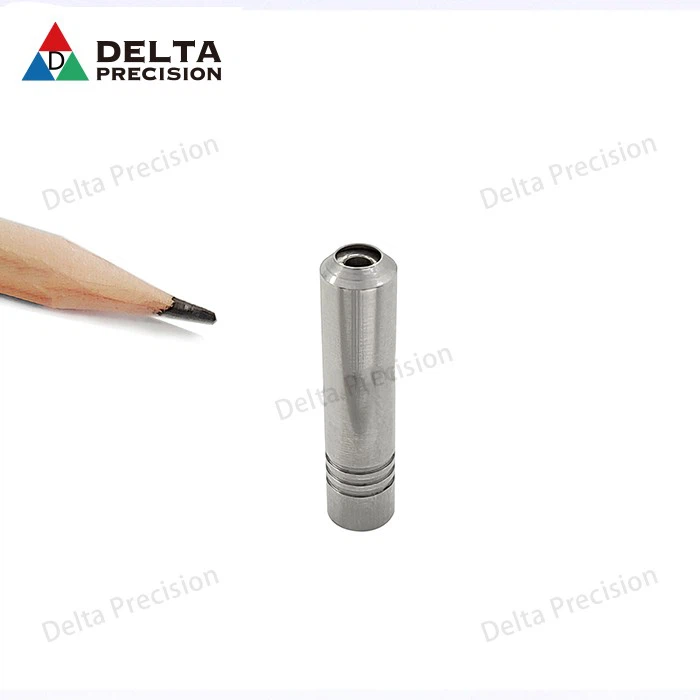
One of the challenges in miniature flow control is dealing with the small size of the components. Small parts are more difficult to manufacture and assemble, and they're also more prone to clogging. To address the clogging issue, we often use filters in the system to remove any particles that could block the flow path.
Now, why is miniature flow control so important? Well, in today's world, there's a growing demand for smaller and more efficient devices. Miniature flow control systems allow us to build devices that are not only compact but also highly functional. In the medical field, for example, miniature flow control is used in devices like insulin pumps, where precise control of the flow of insulin is essential for patient health. In the aerospace industry, these systems are used in fuel delivery and hydraulic systems to ensure the safe and efficient operation of aircraft.
As a supplier of Miniature Flow Control products, I'm really excited about the future of this field. With the continuous development of technology, we're seeing more and more innovative applications of miniature flow control. And we're constantly working on improving our products to meet the ever - increasing demands of our customers.
If you're in the market for Miniature Flow Control products, whether it's valves, sensors, or complete systems, I'd love to have a chat with you. We've got a wide range of high - quality products that are designed to work effectively in various applications. So, don't hesitate to reach out if you're interested in learning more or if you have specific requirements for your project.
In conclusion, the principle of miniature flow control is based on a combination of fluid dynamics, pressure differentials, and the use of precision components like valves and sensors. By understanding these principles and using advanced manufacturing techniques, we can create highly efficient and reliable miniature flow control systems. Whether you're in the medical, aerospace, or any other industry that requires precise fluid control, we're here to help you find the right solutions.
References
- Fluid Mechanics textbooks for general principles of fluid flow
- Industry reports on miniature flow control technology advancements
- Manufacturer's documentation for specific details on miniature valves and sensors