

Hey there! As a supplier of Valve Turned Parts, I often get asked about the service life of these crucial components. It's a topic that's super important for anyone in the industry, whether you're an engineer, a maintenance technician, or just someone looking to understand more about how these parts work. So, let's dive right in and explore what affects the service life of valve turned parts.
What Are Valve Turned Parts?
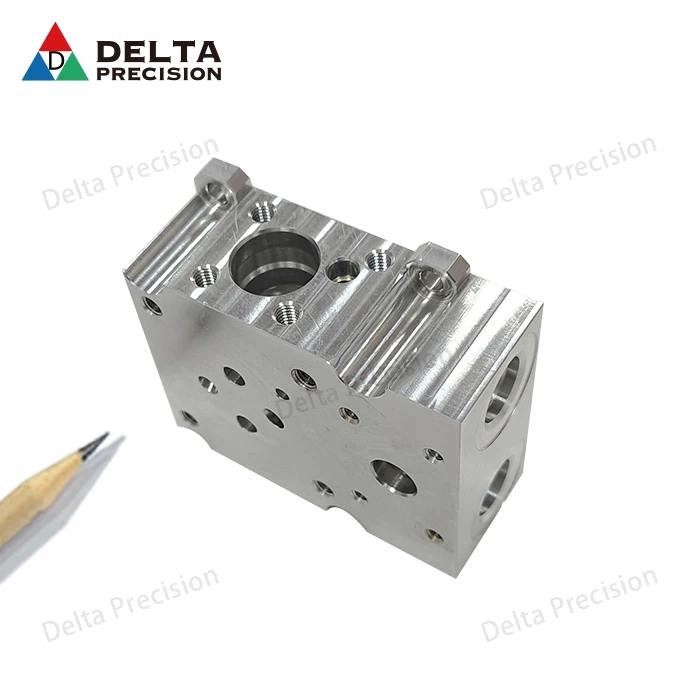
Before we talk about their service life, let's quickly go over what valve turned parts are. Valve turned parts are precision - made components that are used in a wide range of valves. These parts are typically created through a turning process, where a lathe is used to shape the raw material into the desired form. They can be found in all sorts of valves, from simple household faucets to complex industrial Valve Machining Components used in heavy machinery.
Factors Affecting the Service Life
Material Quality
The quality of the material used to make valve turned parts is a huge factor in determining their service life. High - quality materials, such as stainless steel, brass, or titanium, are more resistant to corrosion, wear, and stress. For example, stainless steel is known for its excellent corrosion resistance, which makes it a great choice for valve turned parts that are exposed to harsh chemicals or moisture. On the other hand, using low - quality materials can lead to premature wear and failure. If the material isn't strong enough, it might crack or deform under pressure, reducing the part's lifespan significantly.
Operating Conditions
The conditions under which the valve turned parts operate also play a major role. Temperature, pressure, and the type of fluid or gas flowing through the valve can all impact how long the parts last. In high - temperature environments, the material can expand and contract, which can cause stress and eventually lead to failure. Similarly, high - pressure applications put a lot of strain on the parts. If the valve is handling abrasive fluids, such as slurries, the parts will wear out much faster compared to those handling clean, non - abrasive fluids.

Design and Manufacturing
Proper design and manufacturing processes are essential for a long service life. A well - designed valve turned part takes into account factors like stress distribution, fluid flow, and ease of maintenance. If the part is poorly designed, it might have weak points that are more likely to fail. During the manufacturing process, precision is key. Any errors in machining, such as incorrect dimensions or rough surfaces, can lead to problems down the line. For instance, a part with a rough surface might cause more friction, which can increase wear and reduce the service life.
Maintenance
Regular maintenance is crucial for extending the service life of valve turned parts. This includes things like cleaning, lubrication, and inspection. Cleaning the parts removes any dirt, debris, or deposits that could cause wear or corrosion. Lubrication reduces friction between moving parts, which helps to prevent wear. Regular inspections allow you to catch any potential problems early, such as signs of wear or damage, and take corrective action before it's too late.
Estimating the Service Life
It's really hard to give an exact number for the service life of valve turned parts because it depends on so many factors. However, in general, well - made and properly maintained valve turned parts can last anywhere from a few years to several decades. For example, in a relatively mild operating environment, like a residential water supply system, valve turned parts made from good - quality materials and properly maintained can last 10 - 20 years. In more demanding industrial applications, the service life might be shorter, maybe 3 - 5 years, but this can still be extended with proper care.
Extending the Service Life
If you want to get the most out of your valve turned parts, there are several things you can do. First, choose high - quality materials and make sure they're suitable for the operating conditions. Second, follow a regular maintenance schedule. This doesn't have to be complicated; simple tasks like checking for leaks, cleaning the parts, and lubricating them can go a long way. Third, work with a reliable supplier who has a good reputation for producing high - quality Valve Turned Parts. A good supplier will use the right manufacturing processes and materials, and they'll also be able to provide you with technical support and advice.
The Role of the Supplier
As a supplier of valve turned parts, we play a crucial role in ensuring the long service life of these components. We source the best materials, use state - of - the - art manufacturing techniques, and conduct thorough quality control checks. We also offer technical support to our customers, helping them choose the right parts for their specific applications and providing advice on maintenance.
Real - World Examples
Let's take a look at a couple of real - world examples to illustrate how these factors can affect the service life of valve turned parts. In a chemical processing plant, where valves are exposed to highly corrosive chemicals, valve turned parts made from low - quality materials might only last a few months. However, if the plant switches to high - quality stainless steel parts and implements a strict maintenance schedule, the service life can be extended to several years.
In a power generation facility, high - pressure steam valves are used. The valve turned parts in these valves are under a lot of stress. By using advanced design techniques and high - strength materials, and by regularly inspecting and maintaining the valves, the plant can ensure that the parts last for a long time, reducing downtime and maintenance costs.
Conclusion
So, as you can see, the service life of valve turned parts is influenced by many factors, including material quality, operating conditions, design and manufacturing, and maintenance. By understanding these factors and taking the right steps, you can maximize the lifespan of these important components.
If you're in the market for high - quality valve turned parts or need more information about how to extend their service life, don't hesitate to reach out. We're here to help you find the best solutions for your needs. Whether you're working on a small - scale project or a large - scale industrial application, we have the expertise and products to meet your requirements. Contact us today to start a conversation about your valve turned part needs!
References
- ASM Handbook: Volume 13A, Corrosion: Fundamentals, Testing, and Protection
- Machinery's Handbook, 31st Edition
- Valve Handbook, 4th Edition