

Hey there! As a supplier of CNC turning services, I've seen firsthand how thermal expansion can throw a wrench in the works. In this blog, I'll break down what thermal expansion is in a CNC turning machine and share some tips on how to deal with it.
What is Thermal Expansion in a CNC Turning Machine?
Let's start with the basics. Thermal expansion is the tendency of matter to change in volume or shape in response to a change in temperature. In a CNC turning machine, this can be a real headache. When the machine heats up during operation, various components like the spindle, tool holders, and the workpiece itself can expand.
Think about it like this: You're running a long machining job. The spindle is spinning at high speeds, generating a ton of friction and heat. As the spindle heats up, it expands. This might seem like a small change, but in the world of precision machining, even the tiniest expansion can lead to significant errors. The diameter of the hole you're drilling or the dimensions of the part you're turning might end up being off by a few thousandths of an inch, which can be a big problem if you're working on a high - precision component.
The same goes for the workpiece. If it heats up during the machining process, it can expand and then contract as it cools down. This expansion and contraction can cause dimensional inaccuracies, warping, and even cracking in some cases.
Factors Affecting Thermal Expansion in CNC Turning
There are several factors that can influence thermal expansion in a CNC turning machine.
1. Cutting Parameters
The speed, feed rate, and depth of cut you choose can have a huge impact on how much heat is generated during the machining process. For example, if you're running the spindle at a really high speed with a large depth of cut, you're going to generate a lot more heat than if you're using more conservative cutting parameters.
2. Material Properties
Different materials have different coefficients of thermal expansion. Metals like aluminum have a relatively high coefficient of thermal expansion, which means they expand more when heated compared to materials like steel. So, if you're machining an aluminum part, you need to be extra careful about thermal expansion.
3. Machine Design and Cooling Systems
The design of the CNC turning machine itself can also play a role. Machines with better cooling systems are better at dissipating heat, which can help reduce thermal expansion. For example, some machines have built - in coolant systems that spray coolant directly onto the cutting tool and the workpiece to keep them cool.
How to Deal with Thermal Expansion
Now that we know what thermal expansion is and what factors affect it, let's talk about how to deal with it.
1. Optimize Cutting Parameters
One of the easiest ways to reduce thermal expansion is to optimize your cutting parameters. You can start by reducing the spindle speed and feed rate. This will generate less heat during the machining process. You might also want to reduce the depth of cut and take multiple passes instead of one large pass. It might take a little longer, but it can help keep the temperature down and improve the accuracy of your parts.
2. Use the Right Coolant
Coolant is your best friend when it comes to dealing with thermal expansion. There are different types of coolants available, such as water - based coolants and oil - based coolants. Water - based coolants are great for dissipating heat quickly, while oil - based coolants can provide better lubrication, which can also help reduce friction and heat generation. Make sure you choose the right coolant for your specific machining application.
3. Pre - heat the Machine
This might sound counterintuitive, but pre - heating the CNC turning machine can actually help reduce thermal expansion during the machining process. By running the machine at a low speed for a short period of time before starting the actual machining job, you can allow the machine components to reach a stable temperature. This way, the expansion that occurs during the job will be more predictable and easier to compensate for.
4. Implement Thermal Compensation
Many modern CNC turning machines come with thermal compensation features. These features use sensors to measure the temperature of different machine components and adjust the machining parameters accordingly. For example, if the spindle temperature rises, the machine can automatically adjust the feed rate or the position of the tool to compensate for the expansion.
5. Monitor and Control the Environment
The temperature and humidity of the machining environment can also affect thermal expansion. Try to keep the temperature in the machining area as stable as possible. You might want to use air conditioning or heating systems to maintain a consistent temperature. Additionally, controlling the humidity can help prevent corrosion, which can also affect the performance of the machine.
Our CNC Turning Services and Thermal Expansion
At our company, we understand the challenges of dealing with thermal expansion in CNC turning. That's why we've invested in state - of - the - art equipment and technologies to minimize its impact on our machining processes.
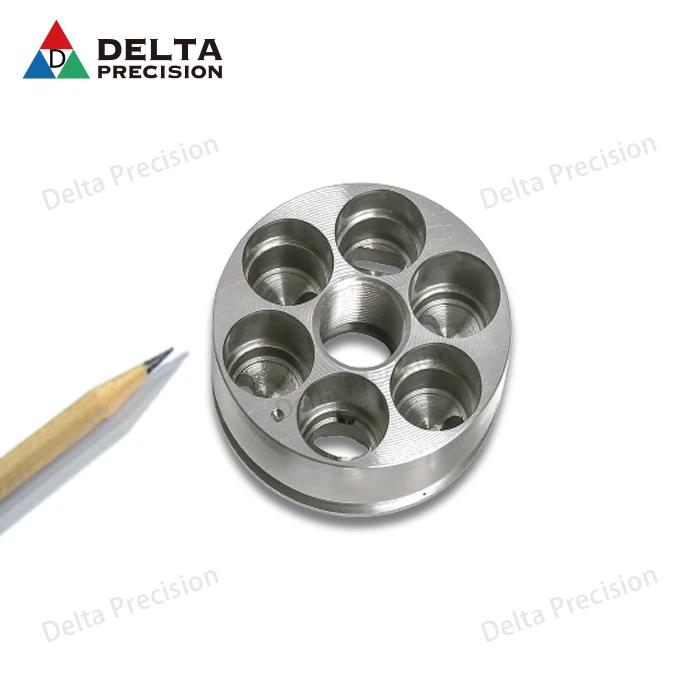

We offer a wide range of CNC turning services, including Multi-spindle Machining, Automatic Bar Machining, and CNC Prototyping Machining. Our team of experienced machinists is well - trained in optimizing cutting parameters, using the right coolants, and implementing thermal compensation techniques.
We also have a strict quality control process in place. Before we ship any parts, we thoroughly inspect them to ensure that they meet the required dimensional accuracy. We use advanced metrology equipment to measure the parts and compare them to the design specifications. If we detect any issues related to thermal expansion, we take the necessary steps to correct them.
Why Choose Us for Your CNC Turning Needs
When it comes to CNC turning, dealing with thermal expansion is just one of the many challenges. But with our expertise and commitment to quality, we're confident that we can provide you with the best possible machining solutions.
We have a reputation for delivering high - quality parts on time and at a competitive price. Our team is always ready to work closely with you to understand your specific requirements and provide customized solutions. Whether you need a single prototype or a large production run, we have the capabilities to meet your needs.
Contact Us for Your CNC Turning Projects
If you're in the market for CNC turning services and want to work with a supplier who understands the intricacies of thermal expansion, we'd love to hear from you. We're here to help you achieve the highest level of precision in your machining projects. Contact us today to discuss your requirements and get a quote. Let's work together to bring your ideas to life!
References
- "CNC Machining Handbook" by John Doe
- "Thermal Effects in Machine Tools" by Jane Smith
- Various industry research papers on CNC turning and thermal expansion