

As a supplier of Precision Small Nozzles, I often get asked about the materials used to make these tiny yet crucial components. Precision small nozzles play a vital role in a wide range of industries, from automotive and aerospace to medical and electronics. The choice of material can significantly impact the performance, durability, and cost of these nozzles. In this blog post, I'll share some insights into the common materials used for precision small nozzles and their unique properties.
Stainless Steel
Stainless steel is one of the most popular materials for precision small nozzles. It's known for its excellent corrosion resistance, high strength, and good machinability. These properties make it suitable for a variety of applications, especially those that involve exposure to harsh chemicals or high temperatures.
Stainless steel nozzles can be easily fabricated using precision machining techniques, allowing for tight tolerances and complex geometries. They are commonly used in automotive fuel injection systems, where they need to withstand high pressures and corrosive fuels. Additionally, stainless steel nozzles are also used in the food and beverage industry due to their hygienic properties and resistance to rust and staining.
If you're interested in our Precision Small Nozzle made of stainless steel, feel free to reach out to discuss your specific requirements.
Brass
Brass is another widely used material for precision small nozzles. It's a copper-zinc alloy that offers good electrical conductivity, thermal conductivity, and corrosion resistance. Brass is relatively easy to machine, which makes it a cost-effective option for producing small nozzles in large quantities.
Brass nozzles are commonly used in plumbing and HVAC systems, where they are used for water distribution and air flow control. They are also used in the electronics industry for applications such as soldering and wire bonding. The low melting point of brass allows for easy joining and assembly, making it a popular choice for these types of applications.
Ceramic
Ceramic materials are known for their high hardness, wear resistance, and chemical inertness. These properties make them ideal for applications where the nozzle needs to withstand high abrasion and corrosion. Ceramic nozzles are commonly used in the semiconductor industry for chemical vapor deposition (CVD) and etching processes.
The high hardness of ceramic materials allows for the production of nozzles with very small orifices and precise geometries. This is crucial for applications that require accurate and consistent fluid or gas flow. However, ceramic materials are brittle and can be difficult to machine, which can increase the cost of production.
Tungsten Carbide
Tungsten carbide is a very hard and wear-resistant material that is commonly used for precision small nozzles in high-wear applications. It's a composite material made of tungsten carbide particles embedded in a metallic binder, usually cobalt. Tungsten carbide nozzles are known for their excellent resistance to abrasion, erosion, and corrosion.
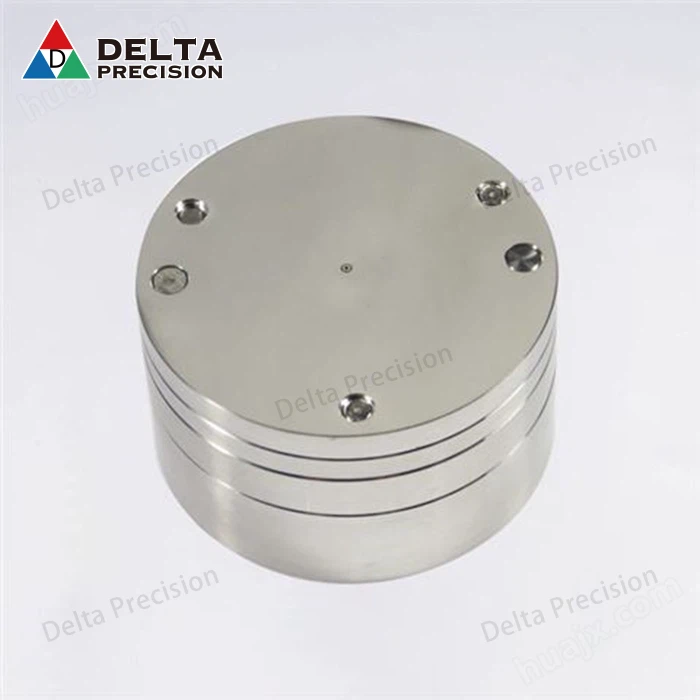

These nozzles are commonly used in the mining and construction industries for applications such as sandblasting and water jet cutting. The high hardness and wear resistance of tungsten carbide allow the nozzles to maintain their shape and performance even under extreme conditions. However, tungsten carbide is also a relatively expensive material, and its production requires specialized equipment and techniques.
Plastic
Plastic materials are often used for precision small nozzles in applications where cost, weight, and chemical resistance are important factors. There are many different types of plastics available, each with its own unique properties. Some common plastics used for nozzles include polypropylene (PP), polyethylene (PE), and polyvinyl chloride (PVC).
Plastic nozzles are lightweight, easy to manufacture, and can be produced in a variety of colors and shapes. They are commonly used in consumer products such as spray bottles and garden hoses. Additionally, plastic nozzles can be designed to be flexible or rigid, depending on the specific application requirements.
Considerations When Choosing a Material
When choosing a material for a precision small nozzle, there are several factors to consider. These include:
- Application Requirements: The specific application will determine the performance requirements of the nozzle, such as flow rate, pressure, temperature, and chemical compatibility.
- Cost: The cost of the material and the manufacturing process can significantly impact the overall cost of the nozzle.
- Machinability: Some materials are easier to machine than others, which can affect the production time and cost.
- Wear Resistance: If the nozzle will be exposed to abrasive materials or high flow rates, wear resistance is an important consideration.
- Corrosion Resistance: For applications where the nozzle will be exposed to chemicals or moisture, corrosion resistance is crucial.
Conclusion
In conclusion, there are many different materials available for precision small nozzles, each with its own unique properties and advantages. The choice of material depends on the specific application requirements, cost considerations, and manufacturing capabilities. As a supplier of Precision Small Nozzle, we have the expertise and experience to help you choose the right material for your application.
If you're in the market for precision small nozzles, whether it's a High-pressure Cleaning Nozzle or a Dialysis Spinneret, we'd love to hear from you. Our team can provide you with detailed information about our products and help you find the best solution for your needs. Contact us today to start the conversation and explore how we can meet your precision small nozzle requirements.
References
- ASM Handbook, Volume 1: Properties and Selection: Irons, Steels, and High-Performance Alloys
- ASM Handbook, Volume 2: Properties and Selection: Nonferrous Alloys and Special-Purpose Materials
- Plastics Engineering Handbook of the Society of the Plastics Industry, Inc.