

In the realm of hydraulic systems, servo valves play a pivotal role in controlling fluid flow, pressure, and direction with high precision. As a leading supplier of servo valve parts, we often encounter the question: "Which is more suitable, direct-acting or pilot-operated servo valve parts?" This blog aims to delve into the characteristics, advantages, and application scenarios of these two types of servo valve parts to help you make an informed decision.
Understanding Direct-Acting Servo Valve Parts
Direct-acting servo valves are relatively simple in structure. The main spool of the valve is directly driven by an actuator, typically a torque motor. When an electrical signal is applied to the torque motor, it generates a force that moves the spool to control the flow of hydraulic fluid.
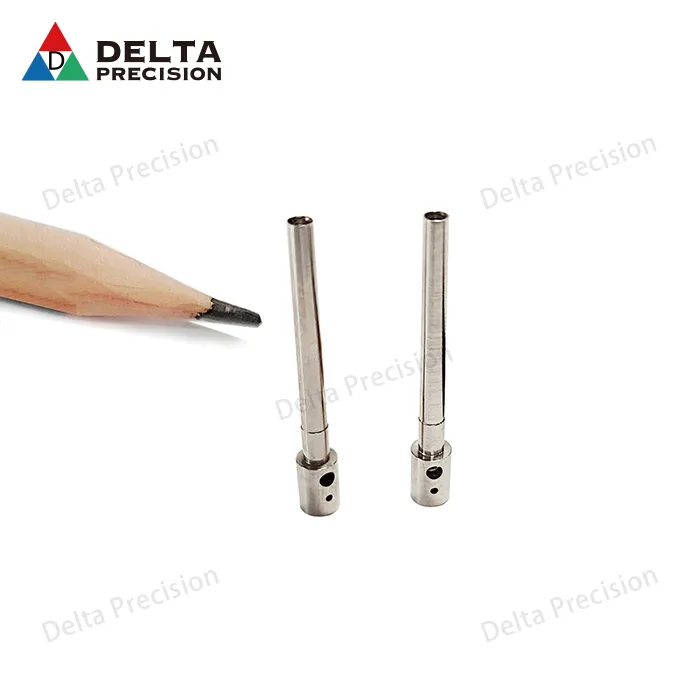
One of the key advantages of direct-acting servo valve parts is their simplicity. With fewer components compared to pilot-operated valves, they are generally more reliable and easier to maintain. For example, the Valve Machining Components used in direct-acting servo valves can be precisely manufactured to ensure smooth operation. These components are designed to minimize internal leakage and provide accurate flow control.
Direct-acting servo valves also offer fast response times. Since the spool is directly driven by the actuator, there is no need for an intermediate pilot stage, which reduces the overall response delay. This makes them ideal for applications that require rapid changes in fluid flow, such as high-speed motion control systems in robotics and aerospace.
However, direct-acting servo valves have some limitations. They are typically limited in terms of flow capacity and pressure handling. As the size of the actuator required to move the spool increases with the flow rate, direct-acting valves become less practical for high-flow applications. Additionally, they may be more sensitive to contamination in the hydraulic fluid, as any debris can directly affect the movement of the spool.
Exploring Pilot-Operated Servo Valve Parts
Pilot-operated servo valves, on the other hand, use a pilot stage to control the movement of the main spool. The pilot stage is usually a small direct-acting valve that directs a small amount of hydraulic fluid to create a pressure difference across the main spool, causing it to move.
The main advantage of pilot-operated servo valve parts is their ability to handle high flow rates and pressures. The pilot stage allows the valve to control a large amount of fluid with relatively small actuators, making it suitable for heavy-duty applications such as industrial hydraulic presses and large-scale construction equipment.
Pilot-operated valves also offer better control precision at high flow rates. The pilot stage can be designed to provide fine-tuning of the main spool movement, resulting in more accurate flow and pressure control. For instance, the Valve Body in pilot-operated servo valves is carefully engineered to ensure proper flow paths and pressure distribution.
Another benefit of pilot-operated servo valves is their ability to operate in a more contaminated fluid environment. Since the main spool is driven by the pressure difference created by the pilot stage, it is less sensitive to debris in the fluid compared to direct-acting valves.
However, pilot-operated servo valves are more complex in design and construction. They require additional components such as the pilot stage and associated plumbing, which increases the cost and complexity of maintenance. The response time of pilot-operated valves is also slightly slower than direct-acting valves due to the additional time required for the pilot stage to build up the pressure difference.
Application Scenarios
Direct-Acting Servo Valve Parts
- Robotics: In robotic arms and manipulators, direct-acting servo valves are often used to provide precise and rapid control of movement. The fast response time allows robots to perform tasks with high accuracy and speed.
- Aerospace: In aircraft flight control systems, direct-acting servo valves play a crucial role in controlling the movement of control surfaces such as ailerons, elevators, and rudders. The lightweight and compact design of direct-acting valves is well-suited for the space-constrained environment of aircraft.
- Test and Measurement Equipment: Direct-acting servo valves are commonly used in test rigs and measurement devices to simulate real-world hydraulic conditions. Their ability to provide accurate and repeatable flow control is essential for obtaining reliable test results.
Pilot-Operated Servo Valve Parts
- Industrial Hydraulic Systems: In large industrial machines such as hydraulic presses, injection molding machines, and metal forming equipment, pilot-operated servo valves are used to control high-pressure and high-flow hydraulic systems. The ability to handle large loads and provide precise control makes them indispensable in these applications.
- Marine and Offshore Equipment: In ships, oil rigs, and other marine vessels, pilot-operated servo valves are used to control various hydraulic functions such as steering systems, winches, and crane operations. The robustness and reliability of pilot-operated valves make them suitable for the harsh marine environment.
- Power Generation: In power plants, pilot-operated servo valves are used in turbine control systems to regulate the flow of steam or water, ensuring stable and efficient power generation.
Choosing the Right Servo Valve Parts
When choosing between direct-acting and pilot-operated servo valve parts, several factors need to be considered:
- Flow Rate and Pressure Requirements: If your application requires high flow rates and pressures, a pilot-operated servo valve is likely the better choice. However, if you need fast response times and relatively low flow rates, a direct-acting servo valve may be more suitable.
- Control Precision: For applications that require high precision control, both types of valves can be used. However, pilot-operated valves may offer better control at high flow rates.
- Environment and Contamination: If your hydraulic system operates in a contaminated environment, a pilot-operated servo valve may be more reliable due to its lower sensitivity to debris.
- Cost and Maintenance: Direct-acting servo valves are generally less expensive and easier to maintain, while pilot-operated valves are more complex and costly.
As a trusted supplier of servo valve parts, we have a wide range of Valve Turned Parts and other components to meet your specific needs. Whether you need direct-acting or pilot-operated servo valve parts, our team of experts can provide you with professional advice and high-quality products.
Conclusion
In conclusion, both direct-acting and pilot-operated servo valve parts have their own unique advantages and application scenarios. The choice between the two depends on the specific requirements of your hydraulic system. By understanding the characteristics of each type of valve and considering factors such as flow rate, pressure, control precision, environment, cost, and maintenance, you can make an informed decision that will ensure the optimal performance of your hydraulic system.
If you are in the market for servo valve parts, we invite you to contact us for a detailed discussion of your requirements. Our experienced sales team is ready to assist you in selecting the right parts for your application. We look forward to the opportunity to work with you and contribute to the success of your projects.

References
- "Hydraulic Control Systems" by George R. Bishop
- "Fluid Power with Applications" by Anthony Esposito