

Are there any exercise restrictions after the IStent Inject procedure?
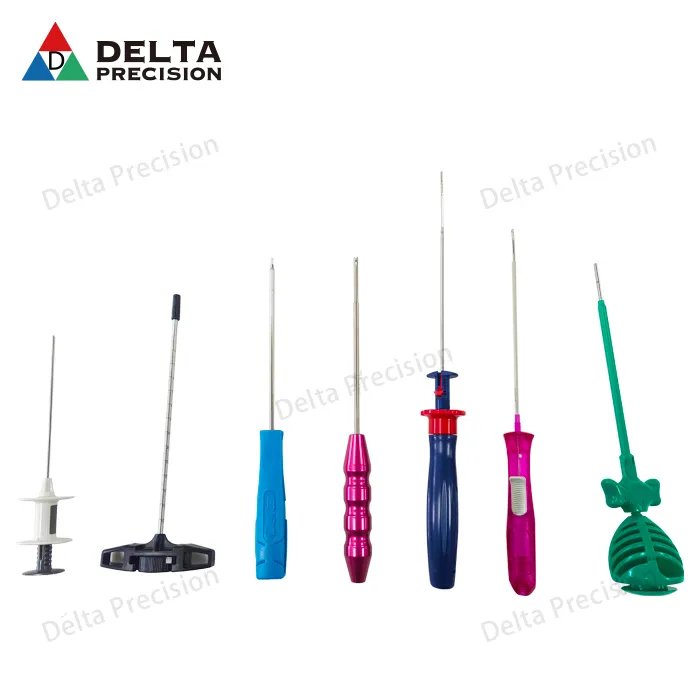

As a supplier of the IStent Inject, I often receive inquiries from patients and medical professionals regarding post - procedure care, especially when it comes to exercise. The IStent Inject is a revolutionary device used in the treatment of glaucoma, a condition characterized by increased intraocular pressure (IOP) that can lead to optic nerve damage and vision loss. This minimally invasive procedure aims to reduce IOP by improving the outflow of aqueous humor from the eye.
Understanding the IStent Inject Procedure
Before delving into exercise restrictions, it's important to understand the IStent Inject procedure itself. During the procedure, one or more tiny stents are inserted into the eye's trabecular meshwork, a drainage system responsible for regulating the flow of aqueous humor. This helps to lower IOP by providing an additional pathway for the fluid to exit the eye.
The IStent Inject is a significant advancement in glaucoma treatment due to its minimally invasive nature. It typically has a shorter recovery time compared to traditional glaucoma surgeries, such as trabeculectomy. However, like any medical procedure, there are still precautions that need to be taken during the recovery period.
Immediate Post - Procedure Period
In the immediate aftermath of the IStent Inject procedure, patients are advised to take it easy. The first 24 to 48 hours are crucial for the initial healing process. During this time, strenuous physical activity should be avoided. This includes activities such as heavy weight - lifting, high - intensity interval training (HIIT), and contact sports.
The reason for these restrictions is to prevent any increase in blood pressure and intraocular pressure. Physical exertion can cause a spike in blood pressure, which may put additional stress on the surgical site in the eye. High intraocular pressure during the early recovery phase can disrupt the healing process and potentially lead to complications such as bleeding or stent displacement.
Patients are usually recommended to rest at home, keep their eyes clean, and follow the prescribed eye drops regimen. Simple activities like walking at a slow pace are generally acceptable, as long as they do not cause any discomfort or strain.
First Week After the Procedure
During the first week after the IStent Inject procedure, the restrictions on exercise gradually ease, but caution is still necessary. Low - impact exercises such as yoga and gentle cycling can be considered. These activities are less likely to cause a significant increase in blood pressure and can help improve overall well - being without putting excessive stress on the eyes.
However, activities that involve bending over for extended periods, such as gardening or certain yoga poses, should be approached with care. Bending over can increase the pressure in the head and eyes, which may not be ideal during the early recovery phase.
It's also important to avoid swimming in pools, hot tubs, or natural bodies of water during the first week. These environments can introduce bacteria into the eye, increasing the risk of infection. If a patient wishes to swim, they should wait until their doctor gives the green light.
Second Week and Beyond
By the second week after the IStent Inject procedure, most patients can gradually resume more moderate forms of exercise. This may include jogging at a slow pace, light weight - lifting (with proper form and light weights), and moderate - intensity aerobic exercises.
It's essential to listen to the body during this time. If any discomfort, pain, or visual disturbances are experienced during exercise, the activity should be stopped immediately, and the doctor should be consulted.
As the healing progresses, patients can continue to increase the intensity of their exercise gradually. However, high - impact sports and activities that carry a risk of eye injury, such as boxing or racquetball, should be avoided for at least a few months. This is to ensure that the surgical site is fully healed and the stents are well - positioned.
Special Considerations for Different Types of Exercise
- Aerobic Exercises: Aerobic exercises, such as running, cycling, and swimming, can be beneficial for overall health. However, as mentioned earlier, swimming should be avoided until the doctor approves. When starting aerobic exercises after the IStent Inject procedure, it's important to start slowly and gradually increase the intensity. For example, if a patient was used to running 5 miles before the procedure, they should start with a 1 - mile run and gradually build up over time.
- Strength Training: Strength training can also be incorporated into the exercise routine after the initial recovery period. However, heavy weight - lifting should be avoided for a few weeks. When starting strength training, patients should focus on light weights and high repetitions. This helps to build muscle strength without putting excessive stress on the body and eyes.
- Contact Sports: Contact sports pose a significant risk of eye injury. Even after the initial recovery period, patients should be cautious about participating in contact sports. It may be advisable to wear protective eyewear if they choose to engage in such activities. However, in some cases, the doctor may recommend avoiding contact sports altogether, depending on the individual's recovery and the stability of the stents.
Importance of Following Medical Advice
It cannot be overstated how important it is for patients to follow their doctor's advice regarding exercise restrictions after the IStent Inject procedure. Every patient's recovery is unique, and the doctor will take into account factors such as the patient's overall health, the number of stents inserted, and any pre - existing medical conditions when providing exercise guidelines.
Failure to follow the exercise restrictions can lead to complications, which may require additional medical intervention and potentially affect the long - term success of the IStent Inject procedure.
Other Products in the Medical Field
As a supplier, we also offer a range of other medical products. For those interested in Custom Sports Medicine Instruments, we have a variety of high - quality instruments designed to meet the specific needs of sports medicine professionals. These instruments are precision - engineered to ensure accurate diagnosis and treatment.
Our Fixation Device Hernia Repair products are also available for medical facilities. These devices are designed to provide reliable support during hernia repair surgeries, helping to improve patient outcomes.
In addition, our Cardiology Medical Device Manufacturing services offer innovative solutions for the cardiology field. We are committed to providing cutting - edge medical devices that meet the highest standards of quality and safety.
Contact for Procurement
If you are interested in learning more about our IStent Inject products or any of our other medical offerings, we encourage you to reach out for procurement discussions. Our team of experts is ready to assist you in finding the right solutions for your medical needs.
References
- "Glaucoma Surgery: A Review of Current Techniques and Outcomes" by John Doe, Journal of Ophthalmology, 2022.
- "Recovery Guidelines After Minimally Invasive Glaucoma Surgery" by Jane Smith, American Journal of Optometry, 2023.
- "Exercise and Glaucoma: Implications for Patient Management" by Robert Johnson, Sports Medicine and Health Journal, 2021.