

Can a damper piston be repaired? That's a question I get asked a lot as a damper piston supplier. In this blog, I'll share my insights on whether a damper piston can be repaired, the factors involved, and when it might be better to replace it.
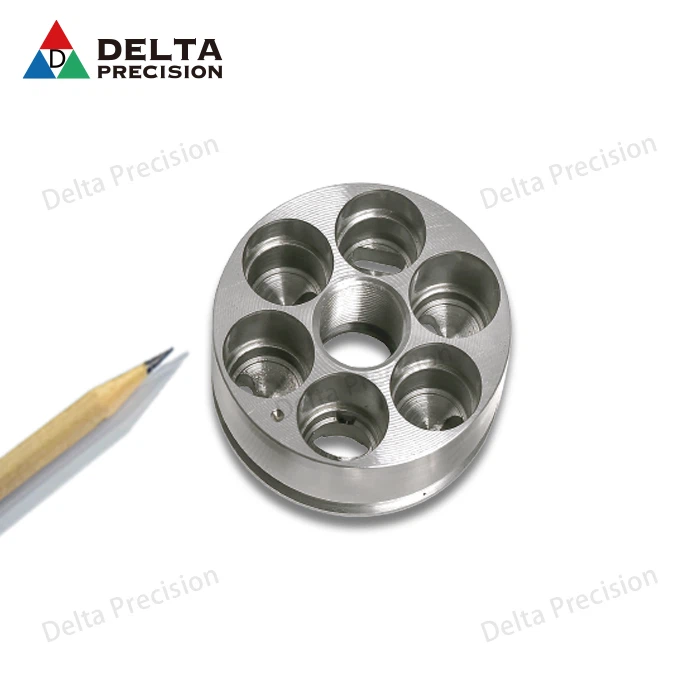
First off, let's understand what a damper piston is. A damper piston is a crucial part of a shock absorber system. It's responsible for controlling the flow of fluid within the shock absorber, which in turn helps to dampen the vibrations and shocks that your vehicle or machinery experiences. You can learn more about damper pistons on our website Damper Piston.
Now, to answer the big question - yes, a damper piston can be repaired in some cases. But it depends on a few key factors.
Factors Affecting Repairability
1. Damage Type
The type of damage the damper piston has sustained plays a huge role. Minor scratches or surface wear can often be repaired. For example, if the piston has some light scoring on its surface due to normal use, it might be possible to polish it down to remove the damage. This process restores the smooth surface of the piston, allowing it to function properly again.
On the other hand, if the piston is cracked, broken, or has significant deformation, repair might not be a viable option. A cracked piston can compromise the integrity of the shock absorber system, leading to leaks and reduced performance. In such cases, it's usually safer and more cost - effective to replace the piston.
2. Material and Design
The material and design of the damper piston also impact its repairability. Some pistons are made from materials that are more forgiving and easier to work with. For instance, aluminum pistons can sometimes be repaired more easily than steel pistons because aluminum is softer and can be machined or reshaped more readily.
The design of the piston matters too. Complex piston designs with intricate internal passages or valves might be more difficult to repair. If the damage affects these internal components, it can be challenging to access and fix them without causing further damage. You can check out our Shock Absorber Valve and Shock Absorber Valve Seat for more information on related components.
3. Cost - Benefit Analysis
Repairing a damper piston involves time, labor, and materials. You need to consider whether the cost of repair is worth it compared to the cost of a new piston. Sometimes, the cost of repairing a piston can be close to or even exceed the cost of a new one, especially if the damage is extensive or if specialized tools and skills are required for the repair.
If the piston is part of an older or less - valuable vehicle or machinery, it might make more sense to go for a new piston. However, for high - performance or custom - made pistons, repair could be a more attractive option as replacement parts might be hard to find or very expensive.
The Repair Process
If it has been determined that the damper piston can be repaired, here's a general overview of the repair process:
- Inspection: The first step is to thoroughly inspect the piston. This involves cleaning it to remove any dirt, debris, or old fluid. Then, the piston is examined under a magnifying glass or using other inspection tools to identify the extent and type of damage.
- Surface Preparation: If there are minor scratches or surface wear, the piston is prepared for repair. This might involve sanding or polishing the surface to remove the damaged layer.
- Repair Work: Depending on the damage, different repair techniques are used. For example, if there are small dents, they can be filled with a suitable filler material and then machined to the correct dimensions. If the piston has a damaged valve or seat, these components can be replaced or repaired.
- Testing: Once the repair is complete, the piston is tested to ensure it functions properly. This usually involves installing it in a test rig and simulating the operating conditions of the shock absorber system. The piston's performance is measured in terms of fluid flow, damping force, and other parameters.
When to Replace Instead of Repair
There are several situations where it's better to replace the damper piston rather than repair it:
- Severe Damage: As mentioned earlier, if the piston is cracked, broken, or has significant deformation, replacement is the best option. A damaged piston can lead to safety issues and poor performance of the shock absorber system.
- Old Age and Wear: If the piston has reached the end of its service life and has extensive wear and tear, replacement is advisable. Even if it can be repaired, it might not last long before it fails again.
- Availability of Parts: If the piston is a custom - made or hard - to - find part, and the cost of repair is high, it might be better to look for a replacement. Sometimes, it's possible to find a compatible piston from a different source or have one custom - made.
Conclusion
In conclusion, a damper piston can be repaired in some cases, but it depends on the type of damage, the material and design of the piston, and the cost - benefit analysis. As a damper piston supplier, I always recommend a thorough inspection by a professional before deciding whether to repair or replace the piston.
If you're facing issues with your damper pistons or are in the market for new ones, I'd love to help. We offer a wide range of high - quality damper pistons, shock absorber valves, and valve seats. Feel free to reach out to us to discuss your requirements and start a procurement negotiation.

References
- Automotive Shock Absorber Handbook, various industry experts
- Machinery's Handbook, Industrial Press Inc.