

In the world of heating, ventilation, and air - conditioning (HVAC) systems, there are numerous components that work together like a well - oiled machine. One of the unsung heroes in this setup is the valve body. As a valve body supplier, I've seen firsthand how crucial these parts are for the proper functioning of HVAC systems. So, let's dive in and explore what the function of a valve body in an HVAC system really is.
Flow Control
The most fundamental function of a valve body in an HVAC system is flow control. HVAC systems rely on the movement of fluids (either refrigerant or water) to transfer heat. The valve body acts as a traffic cop, regulating the amount of fluid that flows through different parts of the system.

Imagine an HVAC system in a large office building. During the summer, the cooling demand varies from room to room. Some areas might be near windows and get more sunlight, while others are in the interior. The valve body can adjust the flow of refrigerant to the evaporator coils in each zone. If a particular room is hotter, the valve body can open up more, allowing more refrigerant to flow and provide better cooling. Conversely, in a cooler room, it can restrict the flow, saving energy.
This is where Valve Turned Parts come in handy. These precision - made parts are often integrated into the valve body to ensure accurate flow control. They are designed to fit snugly and operate smoothly, enabling the valve body to make fine - tuned adjustments.
Pressure Regulation
Another key function of the valve body is pressure regulation. In an HVAC system, maintaining the right pressure is essential for efficient operation. If the pressure is too high, it can cause damage to the components, such as the compressor or the pipes. On the other hand, if the pressure is too low, the system might not be able to transfer heat effectively.
The valve body can sense the pressure in different parts of the system and make adjustments accordingly. For example, in a refrigeration cycle, the valve body can control the pressure between the condenser and the evaporator. When the pressure in the condenser builds up, the valve body can open slightly to release some of the pressure and allow the refrigerant to flow into the evaporator. This helps to maintain a stable pressure difference, which is crucial for the refrigeration process.
Valve Machining Components play an important role in pressure regulation. These components are carefully machined to have the right dimensions and tolerances, ensuring that the valve body can operate accurately under different pressure conditions.
Temperature Control
Temperature control is closely related to flow and pressure control. The valve body helps to maintain the desired temperature in the HVAC system by adjusting the flow of the heat - transfer fluid.
In a heating system, for instance, the valve body can control the flow of hot water through the radiators. If the room temperature drops below the set point, the valve body can open to allow more hot water to flow into the radiator, increasing the heat output. Once the room reaches the desired temperature, the valve body can close partially or completely to reduce the flow.
In an air - conditioning system, the valve body can also control the temperature of the air being delivered. By adjusting the flow of refrigerant through the evaporator coils, it can change the amount of heat removed from the air. This allows the system to maintain a consistent temperature in the space being cooled.
System Protection
The valve body also serves as a protective mechanism for the HVAC system. It can prevent over - pressurization and over - heating, which can lead to system failures.
For example, if there is a blockage in the refrigerant line, the pressure in the system can rise rapidly. The valve body can detect this increase in pressure and open a safety valve to release the excess pressure. This prevents damage to the compressor and other components.
Similarly, in a water - based HVAC system, the valve body can monitor the temperature of the water. If the water temperature gets too high, it can shut off the flow of hot water to prevent damage to the pipes and other equipment.
Compatibility and Integration
As a valve body supplier, I understand the importance of compatibility and integration in an HVAC system. The valve body needs to work seamlessly with other components, such as the compressor, the condenser, and the evaporator.
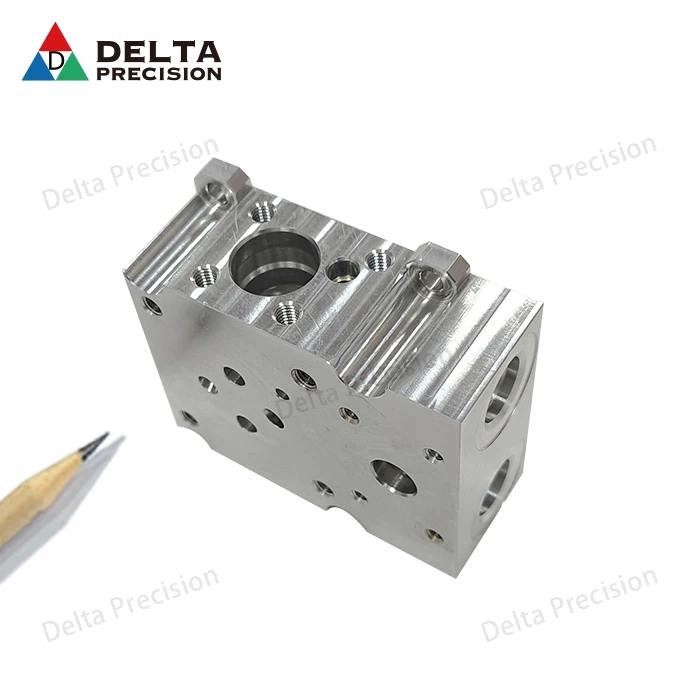
We offer Valve Body products that are designed to be highly compatible with a wide range of HVAC systems. Our valve bodies are made from high - quality materials and are precision - engineered to ensure reliable performance. They can be easily integrated into existing systems or used in new installations.
Conclusion
In conclusion, the valve body is a vital component in an HVAC system. Its functions of flow control, pressure regulation, temperature control, and system protection are essential for the efficient and reliable operation of the system. Whether you're looking to upgrade an existing HVAC system or install a new one, choosing the right valve body is crucial.
If you're in the market for high - quality valve bodies, valve turned parts, or valve machining components, we're here to help. Our products are designed to meet the highest standards of quality and performance. We can provide you with the right solutions for your HVAC needs. Don't hesitate to reach out to us for more information or to start a procurement discussion. We're ready to work with you to ensure your HVAC system runs smoothly.
References
- ASHRAE Handbook of HVAC Systems and Equipment.
- HVACR Service Technician's Handbook.
- Technical papers on HVAC system design and operation from industry conferences.