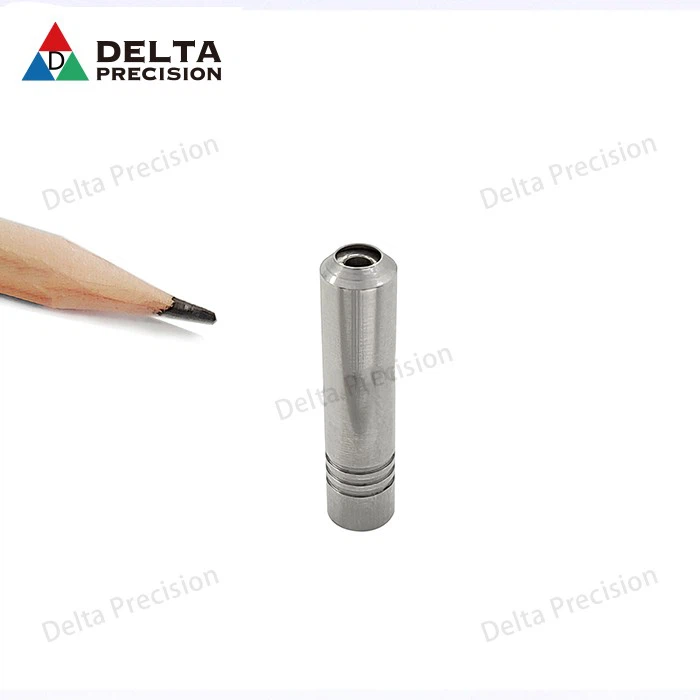
The flow direction plays a crucial role in the performance of a Miniature Check Valve. As a leading supplier of Miniature Check Valves, we have witnessed firsthand how the flow direction can impact the functionality and efficiency of these vital components. In this blog post, we will explore the various ways in which flow direction affects the performance of a Miniature Check Valve and why it is essential to consider this factor when selecting and using these valves.
Understanding Miniature Check Valves
Before delving into the impact of flow direction, let's first understand what a Miniature Check Valve is. A Miniature Check Valve is a small, one-way valve that allows fluid to flow in one direction while preventing backflow in the opposite direction. These valves are commonly used in a wide range of applications, including aerospace, marine, medical, and industrial systems, where precise control of fluid flow is essential.
Miniature Check Valves are designed to operate automatically, opening when the pressure on the inlet side exceeds the pressure on the outlet side and closing when the pressure differential reverses. This simple yet effective mechanism ensures that fluid flows in the desired direction, preventing contamination, damage to equipment, and other issues associated with backflow.
Impact of Flow Direction on Performance
The flow direction of a Miniature Check Valve can have a significant impact on its performance in several ways:
1. Flow Rate and Pressure Drop
The flow rate and pressure drop across a Miniature Check Valve are directly affected by the flow direction. When the fluid flows in the forward direction (i.e., from the inlet to the outlet), the valve opens, allowing the fluid to pass through with minimal resistance. This results in a relatively high flow rate and low pressure drop, which is ideal for most applications.
However, when the fluid tries to flow in the reverse direction, the valve closes, blocking the flow and creating a high resistance. This causes a significant increase in pressure drop and a decrease in flow rate, which can lead to reduced system efficiency and performance.
2. Sealing Performance
The sealing performance of a Miniature Check Valve is also influenced by the flow direction. In the forward direction, the valve is designed to provide a tight seal to prevent leakage. However, in the reverse direction, the valve must be able to withstand the pressure differential without leaking.
If the flow direction is not properly considered, the valve may not seal effectively, leading to leakage and potential system failures. This is particularly important in applications where even a small amount of leakage can have serious consequences, such as in aerospace and medical systems.
3. Valve Response Time
The response time of a Miniature Check Valve, which is the time it takes for the valve to open or close in response to a change in pressure differential, can also be affected by the flow direction. In the forward direction, the valve opens quickly to allow the fluid to pass through, while in the reverse direction, it closes rapidly to prevent backflow.
If the flow direction is reversed frequently or unexpectedly, the valve may experience wear and tear, which can affect its response time and overall performance. This can lead to inconsistent flow control and potential system instability.
4. Valve Life and Durability
The flow direction can also impact the life and durability of a Miniature Check Valve. When the valve operates in the forward direction, it is subjected to normal wear and tear, which can be minimized through proper design and material selection.
However, when the valve is exposed to reverse flow, it may experience additional stress and fatigue, which can accelerate the wear process and reduce its lifespan. This is especially true in applications where the valve is subjected to high pressures and frequent reversals of flow direction.
Importance of Correct Flow Direction
Given the significant impact of flow direction on the performance of a Miniature Check Valve, it is crucial to ensure that the valve is installed and operated in the correct direction. This can be achieved by following the manufacturer's instructions and guidelines, which typically include clear markings or indicators on the valve to indicate the correct flow direction.
In addition, it is important to consider the flow requirements and operating conditions of the system when selecting a Miniature Check Valve. This will help ensure that the valve is suitable for the application and can provide reliable and efficient performance over its lifespan.
Choosing the Right Miniature Check Valve
When selecting a Miniature Check Valve, it is essential to consider the flow direction and other factors that can affect its performance. Here are some key considerations to keep in mind:
1. Application Requirements
The first step in choosing the right Miniature Check Valve is to understand the specific requirements of the application. This includes the flow rate, pressure, temperature, and other operating conditions, as well as the type of fluid being used.
Based on these requirements, you can select a valve with the appropriate size, material, and design to ensure optimal performance. For example, if the application requires a high flow rate and low pressure drop, you may choose a valve with a larger orifice size and a low cracking pressure.
2. Flow Direction Compatibility
As discussed earlier, the flow direction is a critical factor in the performance of a Miniature Check Valve. Therefore, it is important to choose a valve that is designed for the specific flow direction required by your application.
Some Miniature Check Valves are designed to be bi-directional, meaning they can operate in both the forward and reverse directions. However, these valves may have different performance characteristics in each direction, so it is important to carefully evaluate their suitability for your application.
3. Quality and Reliability
When selecting a Miniature Check Valve, it is important to choose a high-quality product from a reputable manufacturer. A reliable valve will provide consistent performance, long service life, and minimal maintenance requirements, which can help reduce costs and improve system efficiency.
Look for valves that are made from high-quality materials, such as stainless steel, brass, or plastic, and that are designed and manufactured to meet strict industry standards. In addition, consider the manufacturer's reputation, customer reviews, and technical support when making your decision.
Conclusion
In conclusion, the flow direction of a Miniature Check Valve can have a significant impact on its performance, including flow rate, pressure drop, sealing performance, valve response time, and valve life. Therefore, it is essential to consider the flow direction when selecting and using these valves to ensure optimal system performance and reliability.
As a leading supplier of Miniature Check Valves, we offer a wide range of high-quality valves that are designed to meet the specific needs of various applications. Our valves are available in different sizes, materials, and designs, and are suitable for both forward and reverse flow applications.
If you are looking for a reliable Miniature Check Valve for your application, please contact us to discuss your requirements. Our team of experts will be happy to assist you in selecting the right valve and providing you with the technical support you need to ensure a successful installation and operation.