

As a supplier of small plastic parts, I often get asked about the lifespan of these components. It's a crucial question, especially for industries that rely on the durability and reliability of small plastic parts. In this blog, I'll delve into the factors that influence the lifespan of small plastic parts, share some insights based on my experience, and provide guidance on how to maximize their longevity.
Understanding the Basics of Small Plastic Parts
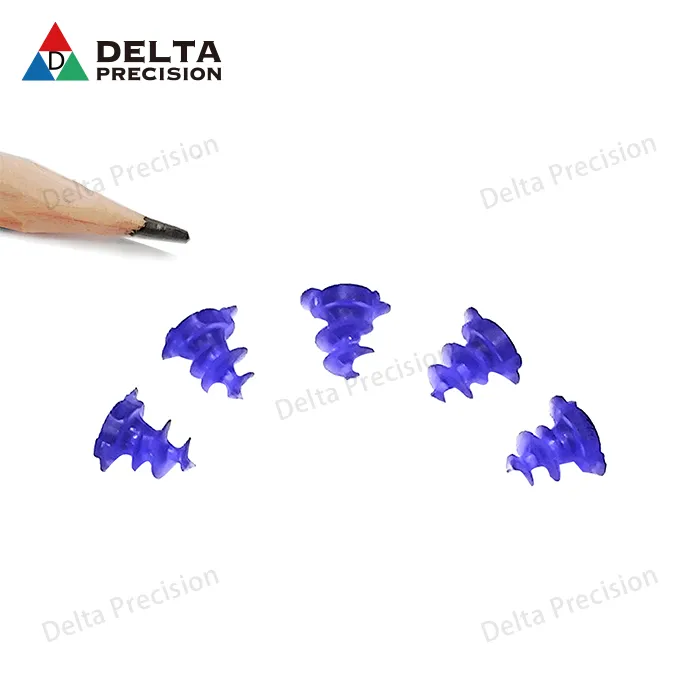
Small plastic parts are used in a wide range of applications, from medical devices and electronics to automotive and consumer products. These parts are typically manufactured using processes like Small Part Injection Molding and Micro Injection Molding. Injection molding is a popular method for producing small plastic parts because it allows for high precision, repeatability, and cost - effectiveness.
Factors Affecting the Lifespan of Small Plastic Parts
Material Selection
The choice of plastic material is one of the most significant factors influencing the lifespan of small plastic parts. Different plastics have different properties, such as strength, flexibility, chemical resistance, and heat resistance. For example, polycarbonate is known for its high impact resistance and clarity, making it suitable for applications where the part may be subject to physical stress or where visibility is important. On the other hand, polyethylene is a more flexible and chemically resistant plastic, often used in applications where contact with chemicals or liquids is expected.
When selecting a plastic material for a small part, it's essential to consider the environmental conditions the part will be exposed to. If the part will be used in a high - temperature environment, a heat - resistant plastic like polyphenylene sulfide (PPS) may be a better choice. Similarly, if the part will be in contact with harsh chemicals, a chemically resistant plastic such as polyvinylidene fluoride (PVDF) should be considered.
Design and Manufacturing Quality
The design of a small plastic part can also have a significant impact on its lifespan. A well - designed part will distribute stress evenly, reducing the likelihood of cracking or breaking. Features like rounded corners, proper wall thickness, and adequate ribbing can enhance the strength and durability of the part.
Manufacturing quality is equally important. Injection molding processes must be carefully controlled to ensure that the parts are produced with consistent quality. Defects such as voids, flash, or warping can weaken the part and reduce its lifespan. At our company, we use advanced manufacturing techniques and quality control measures to ensure that every small plastic part we produce meets the highest standards.
Environmental Conditions
The environment in which a small plastic part operates plays a crucial role in determining its lifespan. Exposure to extreme temperatures, humidity, sunlight, and chemicals can all degrade the plastic over time. For example, prolonged exposure to ultraviolet (UV) radiation from sunlight can cause the plastic to become brittle and discolored, reducing its strength and aesthetic appeal.
In high - humidity environments, moisture can penetrate the plastic, causing it to swell and lose its dimensional stability. Chemical exposure can also lead to chemical reactions that break down the plastic's molecular structure. To mitigate the effects of environmental conditions, it may be necessary to apply protective coatings or use additives that enhance the plastic's resistance to these factors.
Mechanical Stress
Mechanical stress, such as repeated bending, stretching, or impact, can also shorten the lifespan of small plastic parts. In applications where the part is subject to mechanical stress, it's important to design the part to withstand these forces. This may involve using a stronger plastic material, adding reinforcement features, or reducing the frequency of stress events.
Estimating the Lifespan of Small Plastic Parts
Estimating the lifespan of small plastic parts is not an exact science, as it depends on a combination of the factors mentioned above. However, there are some general guidelines that can be used. In some cases, small plastic parts used in low - stress, indoor applications may have a lifespan of several years or even decades. For example, small plastic components in a household electronic device may last for 10 - 20 years under normal use conditions.
On the other hand, small plastic parts used in high - stress, outdoor applications may have a much shorter lifespan. For instance, a small plastic part on a garden tool that is exposed to sunlight, rain, and mechanical stress may only last for a few seasons.
To get a more accurate estimate of the lifespan of a specific small plastic part, it's often necessary to conduct accelerated aging tests. These tests simulate the effects of long - term environmental exposure and mechanical stress in a shorter period. By analyzing the results of these tests, we can predict how the part will perform over time and make adjustments to the design or material selection if necessary.

Maximizing the Lifespan of Small Plastic Parts
As a supplier of small plastic parts, I understand the importance of helping our customers maximize the lifespan of these components. Here are some tips based on my experience:
- Choose the Right Material: Work closely with your plastic part supplier to select the most appropriate plastic material for your application. Consider the environmental conditions, mechanical stress, and other factors that will affect the part's performance.
- Optimize the Design: Invest in a well - designed part that distributes stress evenly and minimizes the risk of failure. Our design engineers can provide valuable insights and recommendations to help you create a durable and reliable part.
- Control the Manufacturing Process: Ensure that the manufacturing process is carefully controlled to produce high - quality parts. Regular quality inspections and testing can help identify and correct any issues before they become a problem.
- Protect the Parts from the Environment: If the parts will be exposed to harsh environmental conditions, consider using protective coatings or enclosures to shield them from damage.
- Minimize Mechanical Stress: Design the application to minimize the amount of mechanical stress on the small plastic parts. This may involve using shock - absorbing materials or reducing the frequency of stress events.
Conclusion
The lifespan of small plastic parts is influenced by a variety of factors, including material selection, design and manufacturing quality, environmental conditions, and mechanical stress. By understanding these factors and taking appropriate measures to address them, it's possible to extend the lifespan of small plastic parts and ensure their reliable performance.
As a supplier of small plastic parts, I'm committed to providing our customers with high - quality products and expert advice. If you're in the market for small plastic parts and want to discuss your specific requirements, I encourage you to reach out to us. We can help you select the right material, design a durable part, and ensure that the manufacturing process meets your expectations. Let's work together to create small plastic parts that will last for years to come.
References
- "Plastics Engineering Handbook", 5th Edition, by Joel R. Fried
- "Injection Molding Handbook", 3rd Edition, by O. Olszewski
- "Polymer Science and Technology", by Charles A. Daniels