

Hey there! I'm a supplier of small plastic parts, and I know how crucial it is to ensure consistency in mass production. In this blog, I'll share some tips and tricks that I've picked up over the years to help you achieve that sweet spot of consistent quality.
First off, let's talk about the importance of consistency. When you're producing small plastic parts in large quantities, even the slightest variation can lead to big problems. Inconsistent parts can cause assembly issues, affect the performance of the final product, and even lead to customer complaints. That's why it's essential to have a solid plan in place to ensure that every part meets the same high standards.
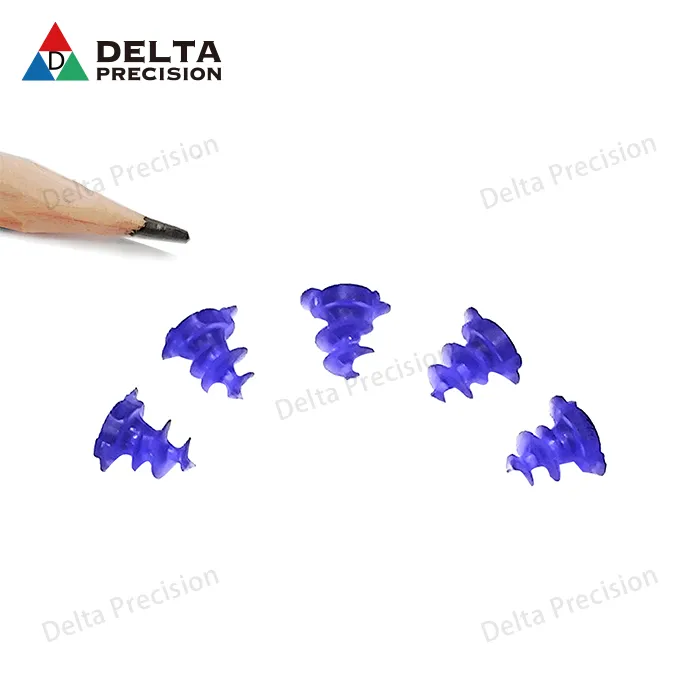
One of the key factors in ensuring consistency is the manufacturing process itself. Two popular methods for producing small plastic parts are Micro Injection Molding and Small Part Injection Molding. These processes involve injecting molten plastic into a mold cavity to create the desired shape. To ensure consistency, it's important to control every aspect of the injection molding process, from the temperature and pressure of the plastic to the cooling time and the ejection of the part.
Let's start with the plastic material. Different plastics have different properties, such as melting point, viscosity, and shrinkage rate. It's crucial to choose the right plastic for your application and to ensure that it's of high quality. You should also work with your plastic supplier to ensure that the material is consistent from batch to batch. Any variation in the plastic can affect the quality of the final part.
Next, we have the injection molding machine. The machine needs to be properly maintained and calibrated to ensure that it operates at the right temperature, pressure, and speed. Regular maintenance can prevent issues like leaks, blockages, and uneven heating, which can all lead to inconsistent parts. You should also keep a close eye on the machine's performance during production and make adjustments as needed.
The mold itself is another critical component. A well-designed mold can help ensure that the parts are consistent in size, shape, and quality. The mold should be made from high-quality materials and should be precision machined to the correct specifications. It's also important to clean and maintain the mold regularly to prevent any buildup of plastic or debris, which can affect the part's surface finish and dimensions.
In addition to controlling the manufacturing process, it's also important to have a quality control system in place. This system should include regular inspections of the parts during production, as well as final inspections before the parts are shipped to the customer. You can use a variety of inspection methods, such as visual inspection, dimensional measurement, and functional testing. By catching any issues early on, you can prevent them from becoming bigger problems down the line.
Another way to ensure consistency is to train your employees properly. Everyone involved in the production process, from the machine operators to the quality control inspectors, should be trained on the proper procedures and techniques. They should also understand the importance of consistency and how their actions can affect the quality of the final product. Regular training and refresher courses can help keep your employees up-to-date on the latest best practices.
Communication is also key. You should have open lines of communication with your customers, suppliers, and employees. By understanding your customers' needs and expectations, you can ensure that you're producing parts that meet their requirements. You should also communicate with your suppliers to ensure that they're providing you with consistent materials. And within your own team, clear communication can help prevent misunderstandings and ensure that everyone is on the same page.
Now, let's talk about data collection and analysis. By collecting data on the production process, such as the temperature, pressure, and cycle time, you can identify trends and patterns. This data can help you make informed decisions about how to improve the process and ensure consistency. You can use statistical process control (SPC) techniques to analyze the data and to identify any potential issues before they become problems.
Finally, it's important to be flexible and adaptable. Sometimes, despite your best efforts, things can go wrong. Maybe there's a problem with the machine, or the plastic material has a defect. When these issues arise, it's important to be able to quickly identify the problem and come up with a solution. You should have contingency plans in place for different scenarios, such as having spare parts on hand or being able to quickly switch to a different plastic supplier.

In conclusion, ensuring the consistency of small plastic parts in mass production is a complex but achievable goal. By controlling the manufacturing process, having a quality control system in place, training your employees, communicating effectively, collecting and analyzing data, and being flexible, you can produce high-quality, consistent parts that meet your customers' needs.
If you're in the market for small plastic parts and are looking for a reliable supplier, I'd love to talk to you. I've got the experience and the know-how to ensure that you get the consistent, high-quality parts you need. Whether you're working on a medical device, an electronic product, or anything in between, I can help. So, don't hesitate to reach out and start a conversation about your project.
References
- Injection Molding Handbook, by O. Olszewski
- Plastics Materials and Processing, by J. F. Carley