

In the manufacturing and supply of valve turned parts, material certifications play a pivotal role. As a supplier of Valve Turned Parts, I understand the critical importance of these certifications in ensuring the quality, safety, and compliance of our products. This blog post aims to delve into the various material certifications required for valve turned parts, shedding light on their significance and how they contribute to the overall value of our offerings.

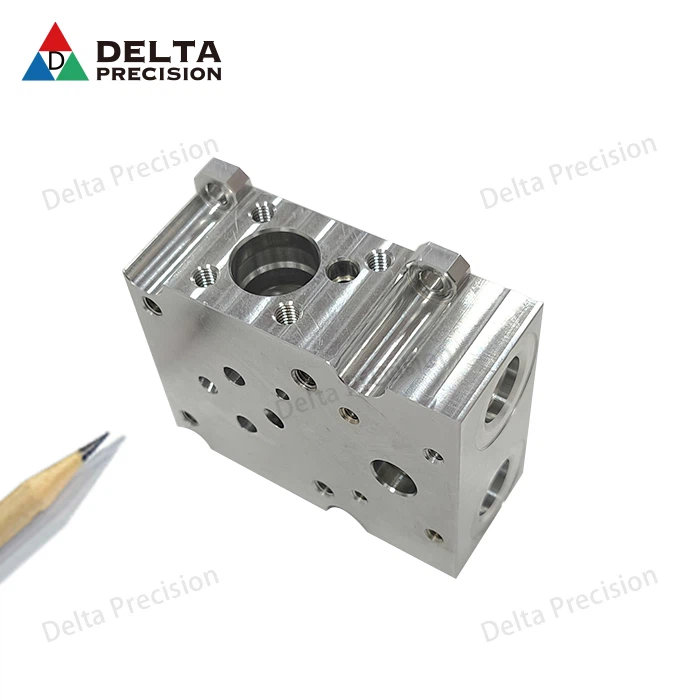
The Significance of Material Certifications
Material certifications serve as a testament to the quality and authenticity of the materials used in valve turned parts. They provide essential information about the chemical composition, mechanical properties, and manufacturing processes of the materials, which are crucial for ensuring the proper functioning and longevity of the parts. By obtaining and providing these certifications, we can demonstrate our commitment to quality and compliance, giving our customers peace of mind and confidence in our products.
Types of Material Certifications
There are several types of material certifications that are commonly required for valve turned parts. These certifications vary depending on the specific requirements of the application, industry standards, and regulatory bodies. Here are some of the most important ones:
Chemical Composition Certification
Chemical composition certification provides detailed information about the elemental composition of the material used in the valve turned parts. This certification is essential for ensuring that the material meets the specified chemical requirements and is free from any harmful contaminants. It typically includes the percentage of various elements such as carbon, silicon, manganese, sulfur, phosphorus, and other alloying elements. By verifying the chemical composition, we can ensure that the material has the desired properties and performance characteristics.
Mechanical Properties Certification
Mechanical properties certification provides information about the physical and mechanical properties of the material, such as tensile strength, yield strength, elongation, hardness, and impact resistance. These properties are crucial for determining the suitability of the material for the intended application and ensuring its ability to withstand the operating conditions. By obtaining mechanical properties certification, we can ensure that the valve turned parts have the necessary strength, durability, and reliability.
Heat Treatment Certification
Heat treatment is a critical process in the manufacturing of valve turned parts, as it can significantly affect the material's properties and performance. Heat treatment certification provides information about the heat treatment process used, including the temperature, time, and cooling rate. This certification is essential for ensuring that the material has been properly heat-treated to achieve the desired properties and microstructure. By obtaining heat treatment certification, we can ensure that the valve turned parts have the required hardness, strength, and toughness.
Non-Destructive Testing (NDT) Certification
Non-destructive testing (NDT) is a method of inspecting the internal and external integrity of the valve turned parts without causing any damage. NDT certification provides information about the NDT methods used, such as ultrasonic testing, magnetic particle testing, liquid penetrant testing, and radiographic testing. This certification is essential for detecting any internal defects or flaws in the material, such as cracks, porosity, or inclusions, which could compromise the performance and safety of the parts. By obtaining NDT certification, we can ensure that the valve turned parts are free from any defects and meet the required quality standards.
Welding Certification
If the valve turned parts involve welding, welding certification is required to ensure that the welding process has been performed correctly and meets the specified standards. Welding certification provides information about the welding procedure, the welder's qualifications, and the results of the welding inspection. This certification is essential for ensuring the integrity and strength of the welded joints and preventing any potential failures. By obtaining welding certification, we can ensure that the valve turned parts have reliable and durable welded connections.
Industry Standards and Regulatory Requirements
In addition to the above certifications, valve turned parts may also need to comply with various industry standards and regulatory requirements. These standards and requirements are established by organizations such as the American Society of Mechanical Engineers (ASME), the American Petroleum Institute (API), the International Organization for Standardization (ISO), and other regulatory bodies. Compliance with these standards and requirements is essential for ensuring the safety, reliability, and performance of the valve turned parts in various applications.
ASME Standards
The ASME standards are widely recognized and used in the manufacturing and design of pressure vessels, piping systems, and other mechanical components. Valve turned parts used in these applications may need to comply with ASME standards such as ASME B16.34 (Valves - Flanged, Threaded, and Welding End) and ASME B16.5 (Pipe Flanges and Flanged Fittings). These standards specify the design, materials, manufacturing processes, and testing requirements for valves and related components.
API Standards
The API standards are specifically developed for the oil and gas industry and cover a wide range of products and services, including valves, pumps, and other equipment. Valve turned parts used in the oil and gas industry may need to comply with API standards such as API 6D (Pipeline Valves) and API 602 (Gate Valves, Globe Valves, and Check Valves - Flanged, Threaded, and Welding End). These standards specify the design, materials, manufacturing processes, and testing requirements for valves used in pipeline and refinery applications.
ISO Standards
The ISO standards are international standards that cover a wide range of industries and products, including valves and other mechanical components. Valve turned parts may need to comply with ISO standards such as ISO 5208 (Industrial Valves - Pressure Testing) and ISO 9001 (Quality Management Systems). These standards specify the requirements for quality management, testing, and certification of valves and related products.
The Importance of Working with a Certified Supplier
When sourcing valve turned parts, it is crucial to work with a supplier who can provide the necessary material certifications and comply with industry standards and regulatory requirements. Here are some reasons why:
Quality Assurance
Working with a certified supplier ensures that the valve turned parts are made from high-quality materials and manufactured using proper processes. The material certifications provide evidence of the material's quality and performance, while compliance with industry standards and regulatory requirements ensures that the parts meet the specified requirements and are safe to use.
Regulatory Compliance
Many industries have strict regulations and standards regarding the use of valves and other mechanical components. Working with a certified supplier ensures that the valve turned parts comply with these regulations and standards, avoiding any potential legal issues or penalties.
Technical Support
A certified supplier has the expertise and knowledge to provide technical support and assistance throughout the sourcing process. They can help you select the right materials, design the parts, and ensure that they meet your specific requirements. They can also provide guidance on installation, maintenance, and troubleshooting.
Long-Term Reliability
Valve turned parts are often critical components in various applications, and their reliability is essential for the smooth operation of the system. Working with a certified supplier ensures that the parts are made from high-quality materials and manufactured using proper processes, which can significantly improve their long-term reliability and performance.
Conclusion
In conclusion, material certifications are essential for ensuring the quality, safety, and compliance of valve turned parts. As a supplier of Valve Turned Parts, we understand the importance of these certifications and are committed to providing our customers with high-quality products that meet their specific requirements. By obtaining and providing the necessary material certifications, complying with industry standards and regulatory requirements, and working closely with our customers, we can ensure that our valve turned parts are reliable, durable, and safe to use.
If you are in the market for high-quality valve turned parts, we invite you to contact us to discuss your specific requirements. Our team of experts will be happy to provide you with more information about our products, services, and material certifications. We look forward to working with you and helping you find the perfect solution for your needs.
References
- American Society of Mechanical Engineers (ASME). (n.d.). ASME Standards. Retrieved from [ASME Website]
- American Petroleum Institute (API). (n.d.). API Standards. Retrieved from [API Website]
- International Organization for Standardization (ISO). (n.d.). ISO Standards. Retrieved from [ISO Website]