

As a supplier of precision small nozzles, I understand the critical role these components play in various industrial applications. One of the most common and frustrating issues that users face is nozzle clogging. This problem can lead to reduced efficiency, increased downtime, and even damage to the equipment. In this blog post, I will share some effective strategies to prevent nozzle clogging in precision small nozzles.
Understanding the Causes of Nozzle Clogging
Before we delve into the prevention methods, it's essential to understand the root causes of nozzle clogging. There are several factors that can contribute to this problem:
- Contaminants in the Fluid: Particles, debris, or impurities in the fluid being dispensed can accumulate in the nozzle over time, leading to blockages. These contaminants can come from various sources, such as the raw materials, the manufacturing process, or the environment.
- Viscosity of the Fluid: High-viscosity fluids are more likely to cause clogging because they flow more slowly and are more prone to sticking to the nozzle walls. Additionally, changes in temperature can affect the viscosity of the fluid, further exacerbating the problem.
- Chemical Reactions: Some fluids may react with the nozzle material or other substances in the system, forming deposits or precipitates that can clog the nozzle. This is particularly common in applications where corrosive or reactive chemicals are used.
- Improper Installation or Maintenance: Incorrect installation of the nozzle can cause misalignment or damage, leading to uneven flow and clogging. Similarly, lack of regular maintenance, such as cleaning and inspection, can allow contaminants to build up and cause blockages.
Preventive Measures
Now that we understand the causes of nozzle clogging, let's explore some preventive measures that can help keep your precision small nozzles functioning smoothly.
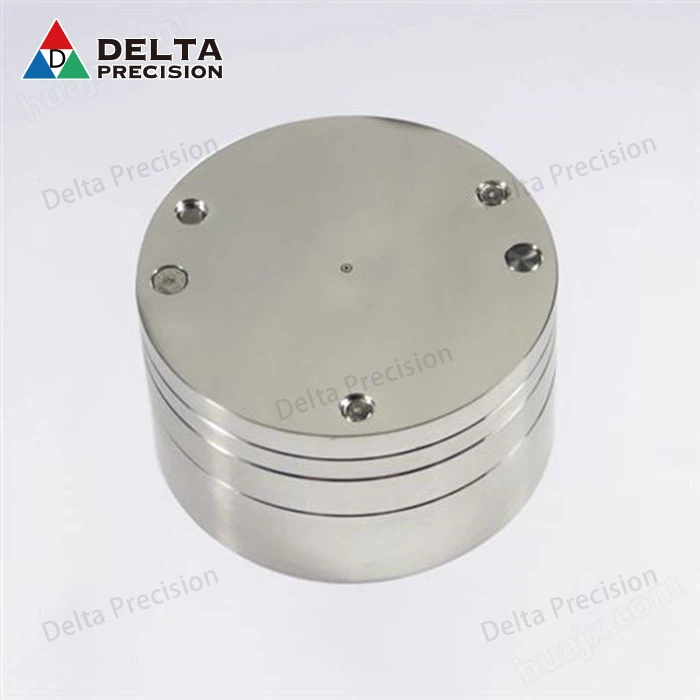

1. Filter the Fluid
One of the most effective ways to prevent nozzle clogging is to filter the fluid before it enters the nozzle. A high-quality filter can remove particles, debris, and other contaminants from the fluid, reducing the risk of blockages. There are various types of filters available, including mesh filters, cartridge filters, and membrane filters. The choice of filter depends on the size and type of contaminants in the fluid, as well as the flow rate and pressure requirements of the system.
2. Control the Fluid Viscosity
As mentioned earlier, high-viscosity fluids are more likely to cause clogging. To prevent this, you can control the viscosity of the fluid by adjusting the temperature or adding a viscosity modifier. For example, heating the fluid can reduce its viscosity and improve its flowability. Alternatively, you can add a thinning agent or a surfactant to the fluid to lower its viscosity. However, it's important to note that adding chemicals to the fluid may have other implications, such as affecting its chemical properties or compatibility with the nozzle material. Therefore, it's essential to consult with a fluid expert or the nozzle manufacturer before making any changes to the fluid composition.
3. Choose the Right Nozzle Material
The choice of nozzle material is crucial in preventing chemical reactions and corrosion that can lead to clogging. Different fluids have different chemical properties, and some materials may be more resistant to certain chemicals than others. For example, stainless steel is a popular choice for nozzles because it is corrosion-resistant and can withstand a wide range of temperatures and pressures. However, in applications where highly corrosive or reactive chemicals are used, you may need to choose a more specialized material, such as ceramic or PTFE.
4. Proper Installation and Maintenance
Proper installation and maintenance of the nozzle are essential for preventing clogging. When installing the nozzle, make sure it is aligned correctly and tightened securely to prevent leaks and uneven flow. Additionally, follow the manufacturer's instructions for cleaning and maintenance. Regularly inspect the nozzle for signs of wear, damage, or blockages, and clean it as needed. You can use a variety of cleaning methods, such as ultrasonic cleaning, chemical cleaning, or mechanical cleaning, depending on the type of nozzle and the nature of the contaminants.
5. Use a Nozzle Cleaning System
In some cases, manual cleaning of the nozzle may not be sufficient to remove stubborn deposits or blockages. In these situations, you can use a nozzle cleaning system to automate the cleaning process and ensure thorough cleaning. There are various types of nozzle cleaning systems available, including ultrasonic cleaning systems, high-pressure cleaning systems, and chemical cleaning systems. The choice of cleaning system depends on the type of nozzle, the nature of the contaminants, and the cleaning requirements of the application.
Additional Tips
Here are some additional tips to help prevent nozzle clogging:
- Flush the System Regularly: Flushing the system with a clean fluid can help remove any remaining contaminants or deposits from the nozzle and the piping. This is particularly important when changing the fluid or shutting down the system for an extended period.
- Monitor the Flow Rate and Pressure: Regularly monitor the flow rate and pressure of the fluid in the system to detect any changes or abnormalities. A sudden drop in flow rate or an increase in pressure may indicate a blockage in the nozzle or the piping.
- Train Your Operators: Make sure your operators are properly trained on the correct use and maintenance of the nozzle. They should be aware of the potential causes of clogging and the preventive measures that can be taken to avoid it.
- Keep the Environment Clean: Minimize the presence of dust, dirt, and other contaminants in the environment where the nozzle is used. This can help prevent these particles from entering the fluid and causing clogging.
Conclusion
Nozzle clogging is a common problem in precision small nozzles, but it can be prevented by taking the right preventive measures. By filtering the fluid, controlling the viscosity, choosing the right nozzle material, and performing proper installation and maintenance, you can keep your nozzles functioning smoothly and avoid costly downtime and repairs.
If you are facing nozzle clogging issues or need more information on precision small nozzles, please feel free to contact us. We are a leading supplier of precision small nozzles and other Lead Screw, Dialysis Spinneret, Precision Small Shaft Parts with a team of experts who can provide you with customized solutions and technical support. We look forward to discussing your needs and helping you find the best products for your application.
References
- Smith, J. (2018). Industrial Fluid Handling: Principles and Practices. New York: McGraw-Hill.
- Jones, A. (2019). Precision Machining: Techniques and Applications. London: Elsevier.
- Brown, R. (2020). Nozzle Design and Performance: A Practical Guide. Chicago: Wiley.