

Hey there! As a damper piston supplier, I've seen my fair share of damper piston problems. And let me tell you, troubleshooting these issues can be a real pain in the neck. But don't worry, I'm here to guide you through the process and help you get your dampers back in top shape.
Understanding the Basics of a Damper Piston
Before we dive into troubleshooting, let's quickly go over what a damper piston is and how it works. A damper piston is a crucial component of a shock absorber, which is used to control the movement of a vehicle's suspension. The piston moves up and down inside a cylinder filled with hydraulic fluid, and as it does, it creates resistance that helps to dampen the vibrations and shocks caused by bumps in the road.
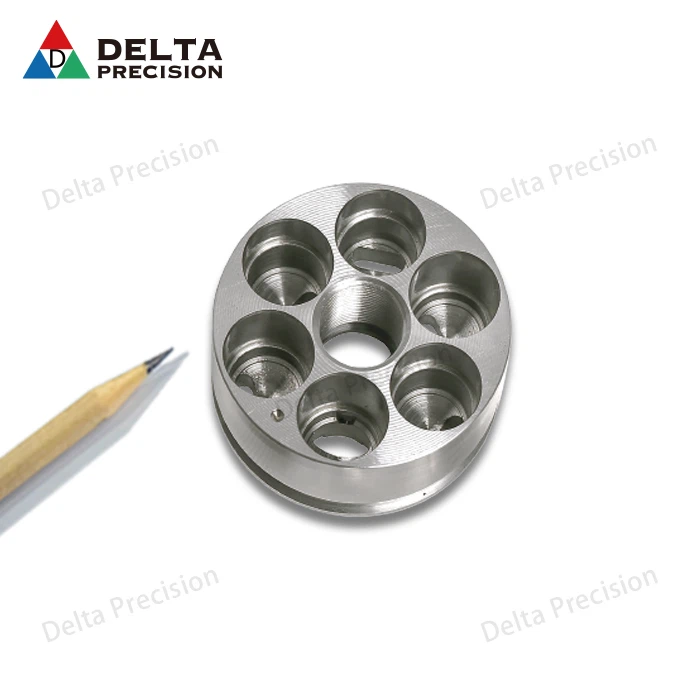

The damper piston is typically made up of several parts, including the piston itself, a piston rod, a seal, and a Shock Absorber Valve. The Shock Absorber Valve is responsible for controlling the flow of hydraulic fluid through the piston, which in turn affects the damping force.
Common Damper Piston Problems
Now that we have a basic understanding of how a damper piston works, let's take a look at some of the most common problems that can occur:
- Leaking Fluid: One of the most obvious signs of a damper piston problem is leaking hydraulic fluid. This can be caused by a damaged seal or a crack in the piston or cylinder. If you notice fluid leaking from your shock absorbers, it's important to address the issue as soon as possible, as it can lead to reduced damping performance and even complete failure of the shock absorber.
- Excessive Noise: Another common problem is excessive noise coming from the shock absorbers. This can be caused by a variety of factors, including worn-out components, loose parts, or air in the hydraulic system. If you hear strange noises when driving over bumps or rough roads, it's a good idea to have your shock absorbers inspected.
- Poor Damping Performance: If your vehicle feels bouncy or unstable when driving, it could be a sign of poor damping performance. This can be caused by a variety of factors, including worn-out components, incorrect valve settings, or a clogged Shock Absorber Valve.
- Sticking Piston: In some cases, the piston may become stuck inside the cylinder, preventing it from moving freely. This can be caused by a variety of factors, including dirt or debris in the hydraulic system, a damaged seal, or a bent piston rod.
Troubleshooting Damper Piston Problems
Now that we know what some of the common problems are, let's take a look at how to troubleshoot them:
Step 1: Visual Inspection
The first step in troubleshooting a damper piston problem is to perform a visual inspection of the shock absorbers. Look for signs of leaking fluid, damage to the piston or cylinder, or loose parts. If you notice any obvious signs of damage, it's likely that the shock absorber will need to be replaced.
Step 2: Check the Fluid Level
If there are no obvious signs of damage, the next step is to check the fluid level in the shock absorbers. Most shock absorbers have a sight glass or a dipstick that you can use to check the fluid level. If the fluid level is low, it could be a sign of a leak or a problem with the hydraulic system.
Step 3: Check the Valve Settings
If the fluid level is normal, the next step is to check the valve settings on the Shock Absorber Valve. The valve settings can have a significant impact on the damping performance of the shock absorber, so it's important to make sure they are set correctly. You can usually find the recommended valve settings in the vehicle's owner's manual or in the shock absorber manufacturer's specifications.
Step 4: Clean or Replace the Valve
If the valve settings are correct, but the shock absorber is still not performing properly, it could be a sign of a clogged or damaged Shock Absorber Valve. In this case, you may need to clean or replace the valve. To clean the valve, you can use a specialized cleaning solution and a soft brush to remove any dirt or debris. If the valve is damaged, it will need to be replaced.
Step 5: Check the Piston and Seal
If the valve is clean and functioning properly, the next step is to check the piston and seal for damage. You can do this by removing the shock absorber from the vehicle and inspecting the piston and seal for signs of wear or damage. If the piston or seal is damaged, it will need to be replaced.
Step 6: Reassemble and Test
Once you have completed all of the necessary repairs or replacements, it's time to reassemble the shock absorber and test it to make sure it's working properly. You can do this by installing the shock absorber back on the vehicle and taking it for a test drive. Pay attention to how the vehicle feels when driving over bumps and rough roads, and listen for any strange noises.
Preventing Damper Piston Problems
While troubleshooting damper piston problems can be a hassle, there are some things you can do to prevent them from occurring in the first place:
- Regular Maintenance: One of the best ways to prevent damper piston problems is to perform regular maintenance on your vehicle's suspension system. This includes checking the fluid level in the shock absorbers, inspecting the components for damage, and replacing any worn-out parts.
- Avoid Rough Roads: Another way to prevent damper piston problems is to avoid driving on rough roads as much as possible. Rough roads can put a lot of stress on the suspension system, which can lead to premature wear and damage.
- Use Quality Parts: When replacing any components in your vehicle's suspension system, it's important to use high-quality parts. Using cheap or inferior parts can lead to poor performance and premature failure.
Conclusion
Troubleshooting a damper piston problem can be a challenging task, but with the right knowledge and tools, it's definitely doable. By following the steps outlined in this blog post, you should be able to identify and fix most common damper piston problems. And if you ever need help or have any questions, don't hesitate to reach out to us. As a Damper Piston supplier, we have the expertise and experience to help you find the right solutions for your needs.
If you're in the market for high-quality Damper Piston, Shock Absorber Valve, or Shock Absorber Valve Seat, we'd love to hear from you. We offer a wide range of products at competitive prices, and our team of experts is always available to help you with your purchasing decisions. So, don't hesitate to contact us today to start the procurement negotiation process!
References
- Automotive Suspension Systems Handbook
- Shock Absorber Design and Analysis Manual