

Hey there! As a supplier of small plastic parts, I often get asked about the wear resistance properties of these little components. It's a crucial aspect, especially when these parts are used in various industries where durability is key. So, let's dive right into it and explore what makes small plastic parts resistant to wear.

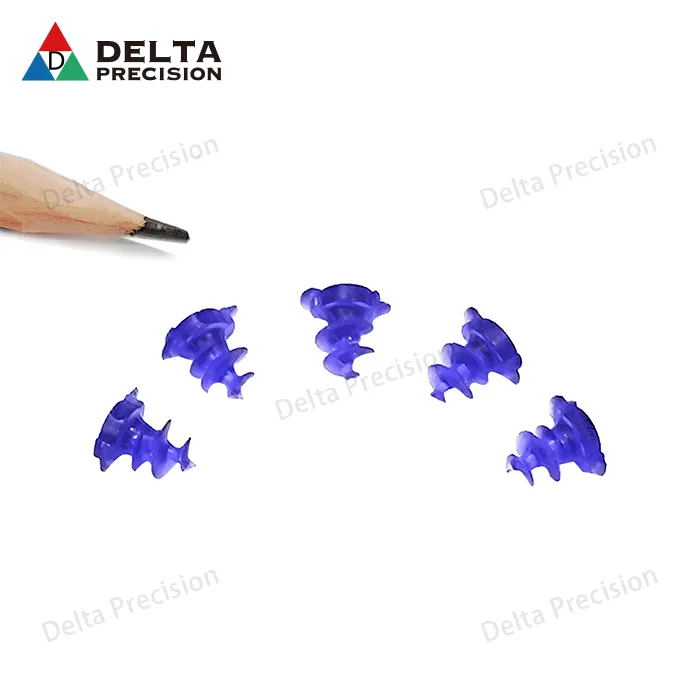
First off, what exactly is wear resistance? Well, it's the ability of a material to withstand the effects of friction, abrasion, and other forms of mechanical wear over time. For small plastic parts, this is super important because they're often used in applications where they'll be in constant contact with other surfaces, like in machinery, electronics, or even medical devices.
There are several factors that influence the wear resistance of small plastic parts. One of the most significant is the type of plastic material used. Different plastics have different properties, and some are inherently more wear-resistant than others. For example, polycarbonate is known for its high impact resistance and good wear properties, making it a popular choice for small parts that need to withstand a bit of rough handling. On the other hand, polyethylene is a more flexible plastic that's often used in applications where a softer, more forgiving material is needed. It also has decent wear resistance, especially when it comes to sliding wear.
Another factor is the manufacturing process. The way a small plastic part is made can have a big impact on its wear resistance. For instance, Micro Injection Molding is a precise manufacturing method that can produce high-quality, dimensionally accurate parts. This process can help ensure that the part has a smooth surface finish, which reduces friction and wear. Similarly, Small Part Injection Molding is another common method that can be used to create small plastic parts with good wear resistance. By controlling the injection molding parameters, such as temperature, pressure, and cooling rate, manufacturers can optimize the properties of the plastic and improve its wear resistance.
Surface treatments can also play a role in enhancing the wear resistance of small plastic parts. For example, applying a coating to the surface of the part can provide an additional layer of protection against wear. Some coatings are designed to reduce friction, while others can increase the hardness of the surface. There are also treatments that can improve the chemical resistance of the plastic, which can be important in environments where the part may be exposed to harsh chemicals.
Now, let's talk about some real-world applications of small plastic parts and how their wear resistance properties come into play. In the automotive industry, small plastic parts are used in a variety of components, such as door handles, dashboard controls, and engine parts. These parts need to be able to withstand the constant use and abuse that comes with daily driving. For example, a door handle needs to be able to withstand thousands of opening and closing cycles without showing signs of wear. By using a wear-resistant plastic material and a proper manufacturing process, we can ensure that these parts last for the life of the vehicle.
In the electronics industry, small plastic parts are used in everything from smartphones to computers. These parts often need to be able to withstand the heat and vibration that comes with normal use. For example, the keys on a keyboard need to be able to withstand millions of keystrokes without wearing down. By using a plastic with good wear resistance and a precise manufacturing process, we can ensure that these parts function properly for a long time.
In the medical industry, small plastic parts are used in a variety of devices, such as syringes, catheters, and surgical instruments. These parts need to be able to withstand the sterilization process and the constant use in a medical environment. For example, a syringe needs to be able to withstand multiple uses without leaking or breaking. By using a wear-resistant plastic material and a proper manufacturing process, we can ensure that these parts are safe and reliable for patients.
So, how do we test the wear resistance of small plastic parts? There are several methods that can be used, depending on the type of wear that the part is likely to experience. One common method is the pin-on-disk test, which involves rubbing a small pin against a rotating disk made of the plastic material. By measuring the amount of wear on the pin and the disk, we can determine the wear rate of the plastic. Another method is the abrasion test, which involves rubbing the plastic part against an abrasive surface. By measuring the amount of material removed from the part, we can determine its abrasion resistance.
As a supplier of small plastic parts, we understand the importance of wear resistance. That's why we work closely with our customers to select the right plastic material and manufacturing process for their specific application. We also offer a range of surface treatments and testing services to ensure that our parts meet the highest standards of quality and durability.
If you're in the market for small plastic parts and are concerned about their wear resistance properties, don't hesitate to reach out to us. We'd be happy to discuss your requirements and provide you with a quote. Whether you need a small batch of custom parts or a large production run, we have the expertise and resources to meet your needs. Let's work together to find the perfect solution for your project.
References
- ASTM International. (2023). ASTM standards related to plastic wear testing.
- Plastics Industry Association. (2023). Guide to plastic materials and their properties.
- Society of Plastics Engineers. (2023). Technical papers on plastic manufacturing processes.