

Flow accuracy tolerance is a critical parameter in the field of miniature flow control. As a supplier specializing in Miniature Flow Control products, I understand the importance of this concept and its implications for various applications. In this blog post, I will delve into what flow accuracy tolerance is, why it matters, and how it relates to our Miniature Flow Control solutions.
Understanding Flow Accuracy Tolerance
Flow accuracy tolerance refers to the allowable deviation from the specified flow rate in a flow control system. In the context of miniature flow control, where precise regulation of small volumes of fluid or gas is required, this tolerance can significantly impact the performance of the overall system. For example, in medical devices such as insulin pumps or in analytical instruments like gas chromatographs, even a slight deviation from the desired flow rate can lead to inaccurate results or ineffective treatment.
Let's consider a simple scenario. Suppose a miniature flow control device is designed to deliver a flow rate of 10 milliliters per minute (ml/min). However, due to various factors such as manufacturing variations, changes in temperature, or pressure fluctuations, the actual flow rate may deviate from this set value. The flow accuracy tolerance defines the acceptable range within which this deviation can occur. If the specified tolerance is ± 5%, the actual flow rate could range from 9.5 ml/min to 10.5 ml/min and still be considered within the acceptable limits.
Factors Affecting Flow Accuracy Tolerance
Several factors can influence the flow accuracy tolerance in miniature flow control systems. One of the primary factors is the quality of the manufacturing process. Precision machining and assembly techniques are essential to ensure that the internal components of the flow control device, such as valves and orifices, are fabricated to tight tolerances. Any irregularities in the dimensions or surface finish of these components can lead to variations in the flow rate.
Another significant factor is the operating environment. Temperature, pressure, and viscosity of the fluid or gas being controlled can all affect the flow characteristics. For instance, an increase in temperature can cause the fluid to expand, which may result in a higher flow rate if the system is not properly compensated. Similarly, changes in pressure can impact the flow velocity and, consequently, the flow rate.

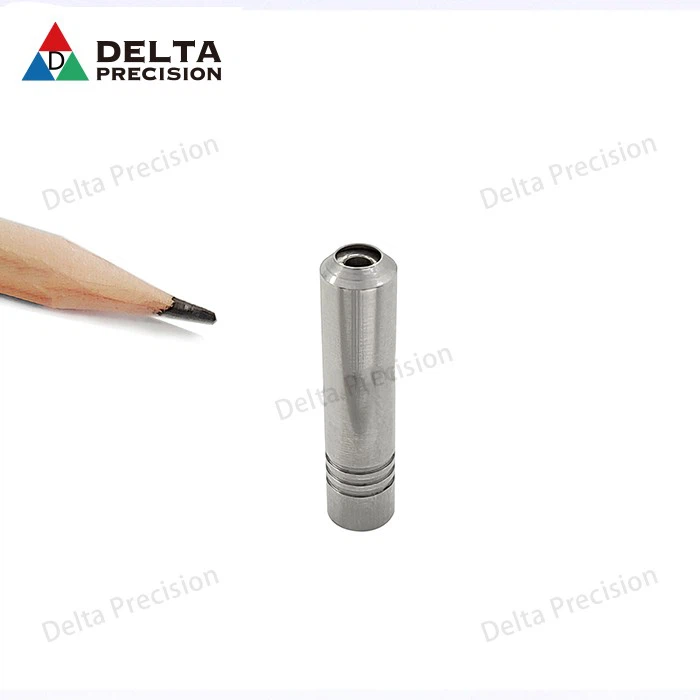
The type of flow control mechanism also plays a role. Different types of valves, such as Miniature One-way Valve, have distinct flow characteristics and levels of precision. Some valves may offer better flow regulation under certain conditions, while others may be more suitable for applications where a wider range of flow rates is required.
Importance of Flow Accuracy Tolerance in Applications
The importance of flow accuracy tolerance varies depending on the specific application. In some industries, such as aerospace and automotive, where safety and performance are paramount, tight flow accuracy tolerances are essential. For example, in aerospace hydraulic systems, precise control of fluid flow is crucial for the proper operation of flight control surfaces and landing gear. Any deviation from the specified flow rate could potentially compromise the safety of the aircraft.
In the medical field, accurate flow control is vital for patient care. Devices like infusion pumps need to deliver medications at a precise rate to ensure effective treatment. A deviation from the prescribed flow rate could lead to under - or over - dosing, which can have serious consequences for the patient's health.
In the field of laboratory research, analytical instruments rely on accurate flow control to obtain reliable results. Gas chromatography, for example, requires precise control of the carrier gas flow rate to separate and analyze different components in a sample accurately.
Our Miniature Flow Control Solutions and Flow Accuracy Tolerance
As a supplier of Miniature Flow Control products, we are committed to providing high - quality solutions with tight flow accuracy tolerances. Our manufacturing processes are designed to ensure the highest level of precision in the production of our flow control devices. We use advanced machining techniques and quality control measures to minimize manufacturing variations and ensure that each product meets the specified flow accuracy requirements.
We also take into account the operating environment when designing our products. Our flow control devices are engineered to be robust and reliable, capable of maintaining accurate flow rates even under challenging conditions. For example, we offer temperature - compensated flow control valves that can adjust the flow rate automatically to compensate for changes in temperature.
In addition to our standard products, we also offer customized solutions to meet the specific needs of our customers. Whether it's a unique flow rate requirement or a specific application with strict accuracy tolerance, our engineering team can work closely with you to develop a tailored solution.
Complementary Products for Enhanced Flow Control
To further enhance the performance of our miniature flow control systems, we also offer a range of complementary products such as Safety Screen Filters. These filters play a crucial role in protecting the flow control devices from contaminants that could potentially affect the flow accuracy. By removing particles and debris from the fluid or gas stream, the filters help to maintain the integrity of the system and ensure consistent flow rates.
Contact Us for Your Flow Control Needs
If you are in need of high - precision miniature flow control solutions, we invite you to contact us for a detailed discussion. Our team of experts is ready to assist you in selecting the right products for your application and to provide you with all the technical support you need. Whether you are in the medical, aerospace, automotive, or any other industry that requires accurate flow control, we have the experience and expertise to meet your requirements.
References
- "Flow Measurement Handbook: Industrial Designs and Applications" by Richard W. Miller
- "Fluid Mechanics and Thermodynamics of Turbomachinery" by S. L. Dixon
- Technical literature from leading manufacturers of miniature flow control devices.