

What is the proper torque for valve body bolts? Well, that's a question I get asked a lot as a Valve Body supplier. Let's dive right into it and figure out what's the deal with the right torque for these bolts.
First off, why does torque matter? You see, the valve body is a crucial part of a hydraulic or mechanical system. It controls the flow of fluid or gas, and the bolts that hold it together need to be tightened just right. If the torque is too low, the bolts might come loose over time. This can lead to leaks, which are a big no - no in any system. Leaks can cause a loss of pressure, reduced efficiency, and even damage to other components. On the other hand, if the torque is too high, you risk over - stressing the bolts and the valve body itself. This can lead to cracked bolts, a damaged valve body, and again, leaks or system failures.
So, how do we determine the proper torque? There isn't a one - size - fits - all answer. It depends on several factors. One of the main factors is the size of the bolts. Smaller bolts generally require less torque than larger ones. For example, a 1/4 - inch bolt will need a different torque value compared to a 3/8 - inch bolt. The material of the bolts also plays a role. Stainless steel bolts, for instance, might have different torque requirements than carbon steel bolts.
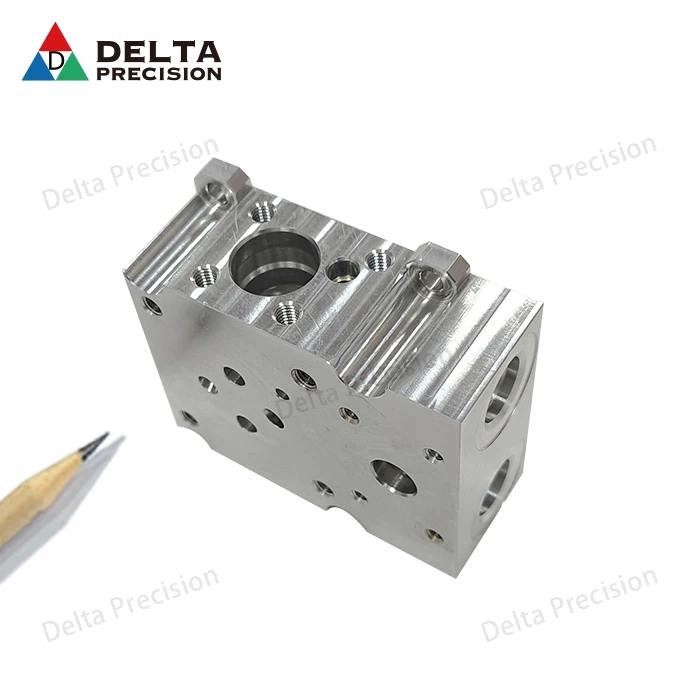
Another important factor is the material of the valve body. If the valve body is made of a soft material like aluminum, you need to be more careful with the torque. Too much torque can easily damage the aluminum, causing it to deform or crack. On the other hand, a valve body made of a harder material like cast iron can usually withstand more torque.
The type of application also matters. In a high - pressure hydraulic system, the bolts need to be tightened more securely to prevent leaks. In a low - pressure system, the torque requirements might be lower. For example, in a small - scale industrial machine with a relatively low - pressure hydraulic circuit, the torque values for the valve body bolts will be different from those in a large - scale construction equipment's high - pressure hydraulic system.
Now, let's talk about how to actually measure and apply the proper torque. The most common tool for this is a torque wrench. A torque wrench allows you to set the desired torque value and then tighten the bolt until that value is reached. It's a very accurate way to ensure that you're applying the right amount of force.
When using a torque wrench, it's important to follow the correct procedure. First, make sure the bolts and the threads are clean and free of debris. This ensures a proper fit and accurate torque application. Then, start tightening the bolts in a criss - cross pattern. This helps to distribute the pressure evenly across the valve body and prevents it from warping.
Let's take a look at some general guidelines for torque values. For a 1/4 - inch stainless steel bolt in an aluminum valve body in a low - pressure application, the torque might be around 10 - 15 foot - pounds. For a 3/8 - inch carbon steel bolt in a cast - iron valve body in a high - pressure application, the torque could be in the range of 30 - 40 foot - pounds. But remember, these are just rough estimates, and it's always best to refer to the manufacturer's specifications.
As a Valve Body supplier, I've seen firsthand the importance of getting the torque right. We supply high - quality Valve Body that are designed to work in various applications. Our Valve Machining Components are precision - made to ensure a perfect fit, and our Valve Turned Parts are of the highest quality.
If you're in the market for valve bodies or related components, and you're not sure about the proper torque for the bolts, don't worry. Our team of experts is here to help. We can provide you with detailed information about the torque requirements based on your specific application. Whether you're working on a small - scale project or a large - scale industrial system, we have the products and the knowledge to support you.
In conclusion, determining the proper torque for valve body bolts is a crucial step in ensuring the proper functioning of your hydraulic or mechanical system. It depends on factors like bolt size, material, valve body material, and the type of application. Using a torque wrench and following the correct procedure is essential for accurate torque application. If you have any questions or need help with your valve body needs, don't hesitate to reach out. We're here to assist you in making the right choices for your project.
If you're interested in purchasing our valve bodies or related components, we'd love to start a conversation with you. Contact us to discuss your requirements and get a quote. We're confident that our products and expertise can meet your needs and help you achieve a reliable and efficient system.
References
- Machinery's Handbook, 31st Edition
- Hydraulic Systems Design and Maintenance Manual