

In the dynamic world of small plastic parts production, one crucial factor that significantly impacts the quality and efficiency of the manufacturing process is the injection speed. As a dedicated supplier of small plastic parts, I've witnessed firsthand the transformative power of properly adjusting the injection speed. In this blog post, I'll share my insights and practical tips on how to fine-tune the injection speed for optimal results in small plastic parts production.
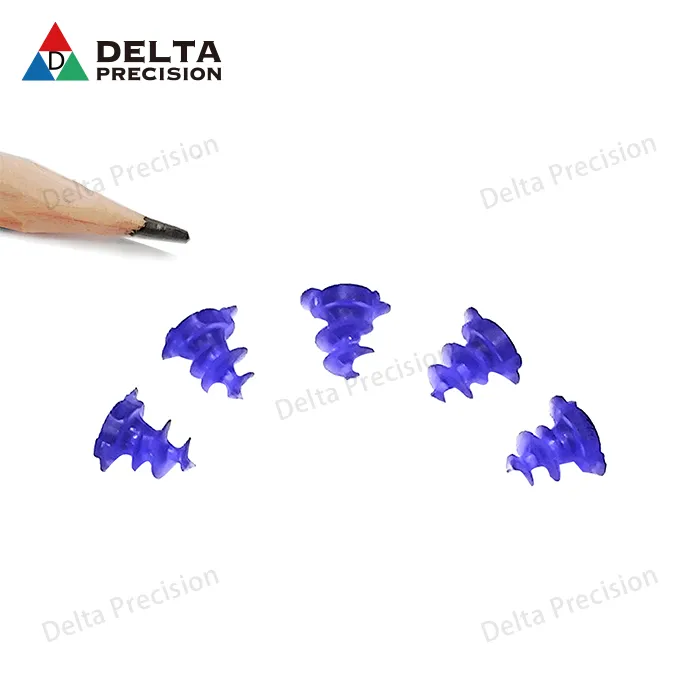

Understanding the Importance of Injection Speed
Before delving into the adjustment techniques, it's essential to grasp why injection speed matters so much in small plastic parts production. The injection speed refers to the rate at which the molten plastic is injected into the mold cavity. It plays a pivotal role in determining several key aspects of the final product, including:
- Filling Pattern: The injection speed influences how the molten plastic flows and fills the mold cavity. A well-controlled injection speed ensures uniform filling, minimizing the risk of voids, air traps, and uneven distribution of material.
- Part Quality: Proper injection speed helps maintain consistent part dimensions, surface finish, and mechanical properties. It can prevent issues such as short shots, flash, and warping, which can compromise the functionality and aesthetics of the small plastic parts.
- Cycle Time: Optimizing the injection speed can reduce the cycle time, leading to increased productivity and cost savings. By injecting the plastic at the right speed, the mold can be filled quickly and efficiently, allowing for faster ejection and subsequent production cycles.
Factors Affecting Injection Speed
Several factors need to be considered when adjusting the injection speed for small plastic parts production. These factors can vary depending on the specific application, material, and mold design. Here are some key considerations:
- Material Properties: Different plastics have varying viscosities, melt flow rates, and thermal characteristics. High-viscosity materials may require a slower injection speed to ensure proper filling, while low-viscosity materials can be injected at a faster rate. Additionally, some materials may be more sensitive to shear stress, which can be affected by the injection speed.
- Mold Design: The complexity of the mold design, including the size, shape, and number of cavities, can influence the injection speed. Molds with thin walls, intricate features, or multiple cavities may require a slower injection speed to ensure complete filling without causing excessive pressure or turbulence.
- Part Geometry: The size and shape of the small plastic parts also play a role in determining the optimal injection speed. Parts with large surface areas or complex geometries may need a slower injection speed to prevent air entrapment and ensure uniform filling.
- Machine Capabilities: The injection molding machine's specifications, such as the maximum injection pressure, screw diameter, and injection rate, can limit the available injection speed. It's important to ensure that the machine is capable of achieving the desired injection speed without exceeding its operating limits.
Adjusting the Injection Speed: Step-by-Step Guide
Now that we understand the importance of injection speed and the factors that affect it, let's explore a step-by-step guide on how to adjust the injection speed for small plastic parts production:
- Analyze the Part and Mold: Start by thoroughly examining the small plastic part and the mold design. Consider the material properties, part geometry, and mold complexity to determine the general range of injection speeds that may be suitable.
- Set the Initial Injection Speed: Based on your analysis, set an initial injection speed on the injection molding machine. It's often recommended to start with a conservative speed and gradually increase it as needed. This approach allows you to observe the filling behavior and make adjustments accordingly.
- Monitor the Filling Process: During the injection molding process, closely monitor the filling behavior of the molten plastic. Pay attention to any signs of incomplete filling, air traps, or excessive pressure. Use visual inspection, pressure sensors, or other monitoring tools to gather data and evaluate the performance of the injection speed.
- Make Adjustments: Based on the monitoring results, make incremental adjustments to the injection speed. If the part is not filling completely, increase the injection speed slightly. If there are signs of excessive pressure or turbulence, reduce the injection speed. It's important to make small adjustments and allow the machine to stabilize between each change to accurately assess the impact of the adjustment.
- Optimize the Injection Speed: Continuously optimize the injection speed by repeating the monitoring and adjustment process until the desired filling pattern, part quality, and cycle time are achieved. This may involve fine-tuning the injection speed based on the specific requirements of the application and the feedback from the production process.
Tips for Optimizing Injection Speed
In addition to the step-by-step guide, here are some additional tips to help you optimize the injection speed for small plastic parts production:
- Use a Multi-Stage Injection Process: Implementing a multi-stage injection process can help improve the filling behavior and part quality. By adjusting the injection speed at different stages of the filling process, you can ensure that the molten plastic is injected at the optimal speed for each section of the mold.
- Control the Injection Pressure: The injection pressure and injection speed are closely related. By controlling the injection pressure, you can indirectly influence the injection speed and ensure that the plastic is injected at the right rate. Use pressure sensors and feedback control systems to maintain a consistent injection pressure throughout the process.
- Consider the Cooling Time: The cooling time of the small plastic parts can also affect the injection speed. If the cooling time is too short, the parts may not solidify properly, leading to deformation or other quality issues. On the other hand, if the cooling time is too long, it can increase the cycle time and reduce productivity. Find the right balance between the injection speed and cooling time to optimize the production process.
- Conduct Testing and Validation: Before implementing any changes to the injection speed, it's important to conduct thorough testing and validation. Use sample parts or prototypes to evaluate the performance of the new injection speed and ensure that it meets the required quality standards. This can help identify any potential issues or adjustments that need to be made before full-scale production.
Conclusion
Adjusting the injection speed is a critical aspect of small plastic parts production. By understanding the importance of injection speed, considering the factors that affect it, and following a systematic approach to adjustment, you can optimize the production process and achieve high-quality small plastic parts. Remember to take into account the material properties, mold design, part geometry, and machine capabilities when making adjustments, and always conduct testing and validation to ensure the effectiveness of the changes.
As a trusted supplier of small plastic parts, I'm committed to providing our customers with the highest quality products and services. If you're interested in learning more about our small plastic parts or have any questions about injection speed adjustment, please don't hesitate to [initiate a contact for procurement discussions]. We look forward to working with you to meet your small plastic parts needs.
References
- "Injection Molding Handbook" by O. Olszewski
- "Plastic Materials and Processes: A Concise Encyclopedia" by John A. Brydson
- "Mold Design for Injection Molding" by R. A. Malloy